There is no more humbling experience in golf than standing on the first tee of a Scottish links course with a stiff wind pushing off the North Sea and a sky that can't decide between rain, sun, or both. This is where the game began over six centuries ago, and despite every technological advancement in equipment and course design, these ancient grounds still demand a brand of golf that no simulator, no manicured parkland layout, and no perfect weather window can replicate.
Scotland is home to over 550 golf courses, with links courses concentrated along its eastern and western coastlines. The word 'links' itself derives from the Old English 'hlinc,' meaning rising ground or ridge—a reference to the sandy, undulating terrain that connects the sea to more fertile agricultural land. This was ground deemed unsuitable for farming, and so it became the playground of shepherds, then golfers, then royalty, and eventually the world.
What makes links golf fundamentally different isn't just the coastal setting—it's the philosophy embedded in the architecture. These courses weren't designed in the modern sense. They evolved, shaped by sheep tracks, prevailing winds, and the natural contours of the land. The bunkers aren't placed for aesthetic appeal; they're positioned where golfers historically found trouble. The greens weren't engineered to hold approach shots; they were created by animals bedding down in the same sheltered hollows for centuries.
The Old Course: Golf's Sacred Ground
St Andrews is not merely the 'Home of Golf'—it's the standard against which all strategic course design is measured. The Old Course has hosted The Open Championship more times than any other venue, and its influence on golf architecture spans continents. The shared double greens, the hidden bunkers with names like Hell and Principal's Nose, the Swilcan Bridge—every element carries centuries of history and tactical significance.
What strikes elite players most about St Andrews is the infinite variety of shot options. On a calm day, it can appear docile, even outdated. But when the wind rises—and it always does—the course reveals its true character. A hole that played as a gentle par-4 in the morning can become a bruising par-5 battle by afternoon. This is not a course that rewards one-dimensional power; it demands creativity, imagination, and above all, patience.
The Old Course at St Andrews is the most fascinating golf course I have ever played. The more I study it, the more I love it; the more I love it, the more I study it.
— Bobby Jones
Beyond St Andrews: Scotland's Links Treasures
While St Andrews commands global reverence, Scotland's other links courses offer experiences equally profound. Carnoustie, often called 'Car-nasty' for its brutal difficulty, has produced some of The Open's most dramatic finishes. Royal Troon presents one of the game's most famous one-shot holes in the Postage Stamp. Muirfield, home of the Honourable Company of Edinburgh Golfers, represents links golf at its most refined and strategic.
Further north, Royal Dornoch sits in splendid isolation in the Scottish Highlands. Tom Watson once called it 'the most fun I've ever had on a golf course,' and its raised plateau greens remain some of the most challenging targets in links golf. Turnberry, with Ailsa Craig rising from the Firth of Clyde as its backdrop, combines jaw-dropping beauty with championship-caliber difficulty.
- St Andrews Old Course: The birthplace of strategic golf architecture
- Carnoustie: Brutal finishing stretch and unforgiving rough
- Royal Dornoch: Elevated greens and Highland isolation
- Muirfield: Clockwise-counterclockwise routing that changes wind angles constantly
- Turnberry Ailsa: Dramatic coastal beauty meets championship test
- Royal Troon: Home of the famous 123-yard Postage Stamp par-3
- Kingsbarns: Modern links design in the classic mold
The Links Test: Wind, Ground Game, and Mental Fortitude
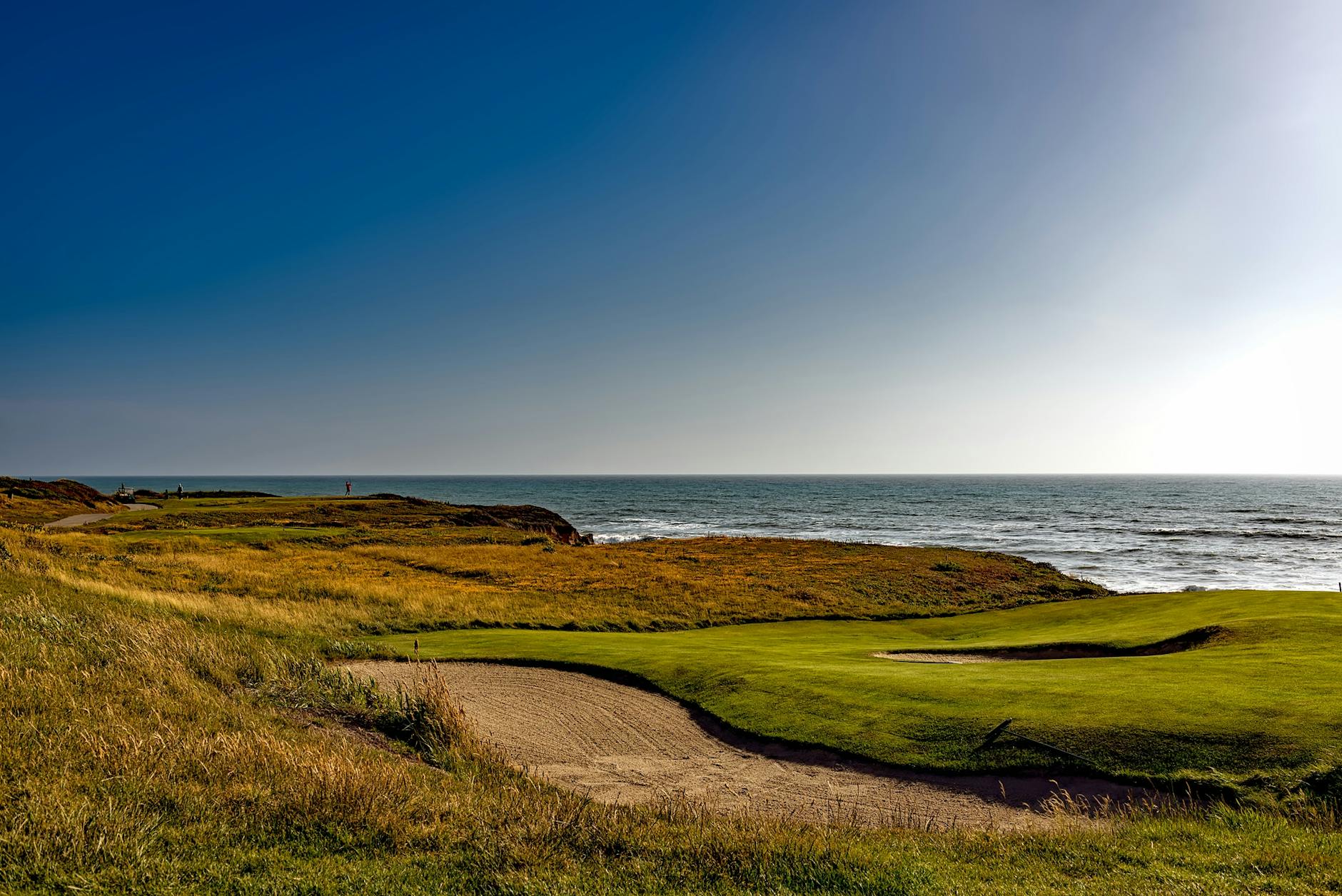
Links golf requires a fundamentally different skill set than American parkland courses. The firm, fast-running fairways demand a ground-based approach to the game. Shots that might fly high and stop dead on soft surfaces will bound through greens and into trouble on links turf. The punch shot, the bump-and-run, the low stinger—these become essential weapons, not occasional novelties.
Wind management separates competent links players from elite ones. Understanding how to flight the ball lower, how to use contours to feed approaches toward pins, and how to commit to clubs that seem illogical in calm conditions—these are skills developed over years of links exposure. Many touring professionals schedule practice rounds in Scotland weeks before Open Championships specifically to recalibrate their games.
Equipment Considerations for Links Play
The links environment also reveals equipment characteristics that might go unnoticed elsewhere. Ball flight consistency becomes paramount when wind gusts can fluctuate dramatically mid-shot. This is where high-density ball technology shows its advantages—the increased mass provides greater wind stability without sacrificing feel around the greens. Players often report that premium balls with consistent core densities hold their lines better in the unpredictable coastal conditions.
Shaft selection matters equally. The ability to flight shots intentionally lower while maintaining distance requires shafts that load properly for varied swing tempos. Many players switch to slightly heavier shaft profiles for links golf, seeking the control that comes with a more connected feel through impact.
Preserving Golf's Heritage While Embracing Its Future
Scottish links courses face the same distance challenges as courses worldwide, yet they maintain relevance through their natural defenses. Wind, bounces, and psychological pressure are not obstacles that technology can neutralize. The greatest players still approach these courses with humility, understanding that par remains a worthy score when conditions turn fierce.
For golfers serious about understanding the complete game, a links pilgrimage isn't merely a bucket-list experience—it's an education. The creativity demanded, the patience required, and the respect for nature's role in the sport provide lessons that transfer to every round played thereafter. Scotland's links courses don't just preserve golf's history; they continue to define what championship golf should be.
As equipment continues to evolve and new courses are built with modern agronomy and design principles, the ancient links of Scotland remain the sport's conscience. They remind us that golf was never meant to be conquered—only negotiated, respected, and occasionally survived.
Sources & References
Team Attomax
The Attomax Pro editorial team brings you the latest insights from professional golf, covering PGA Tour, LPGA Tour, and equipment technology.