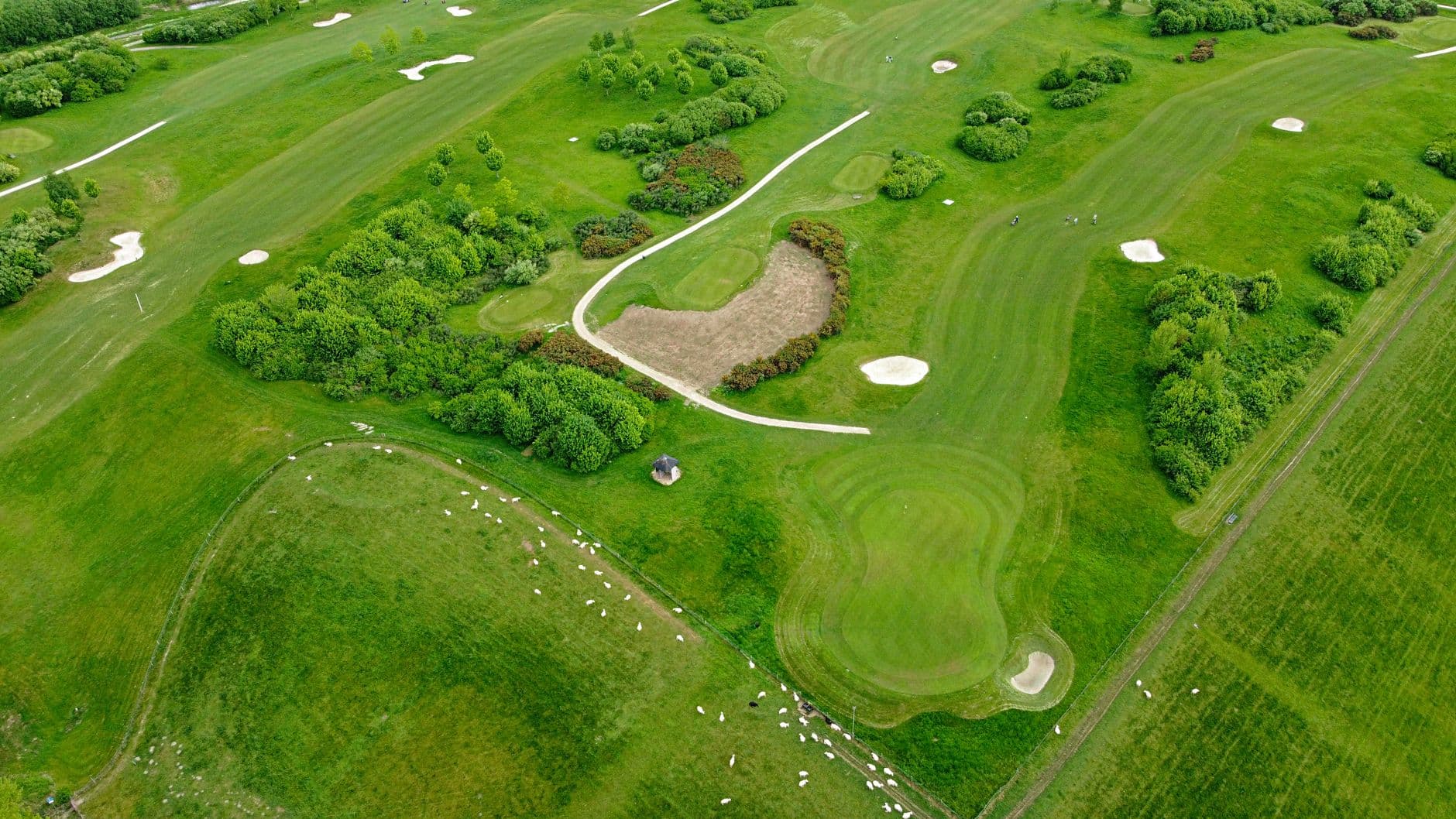
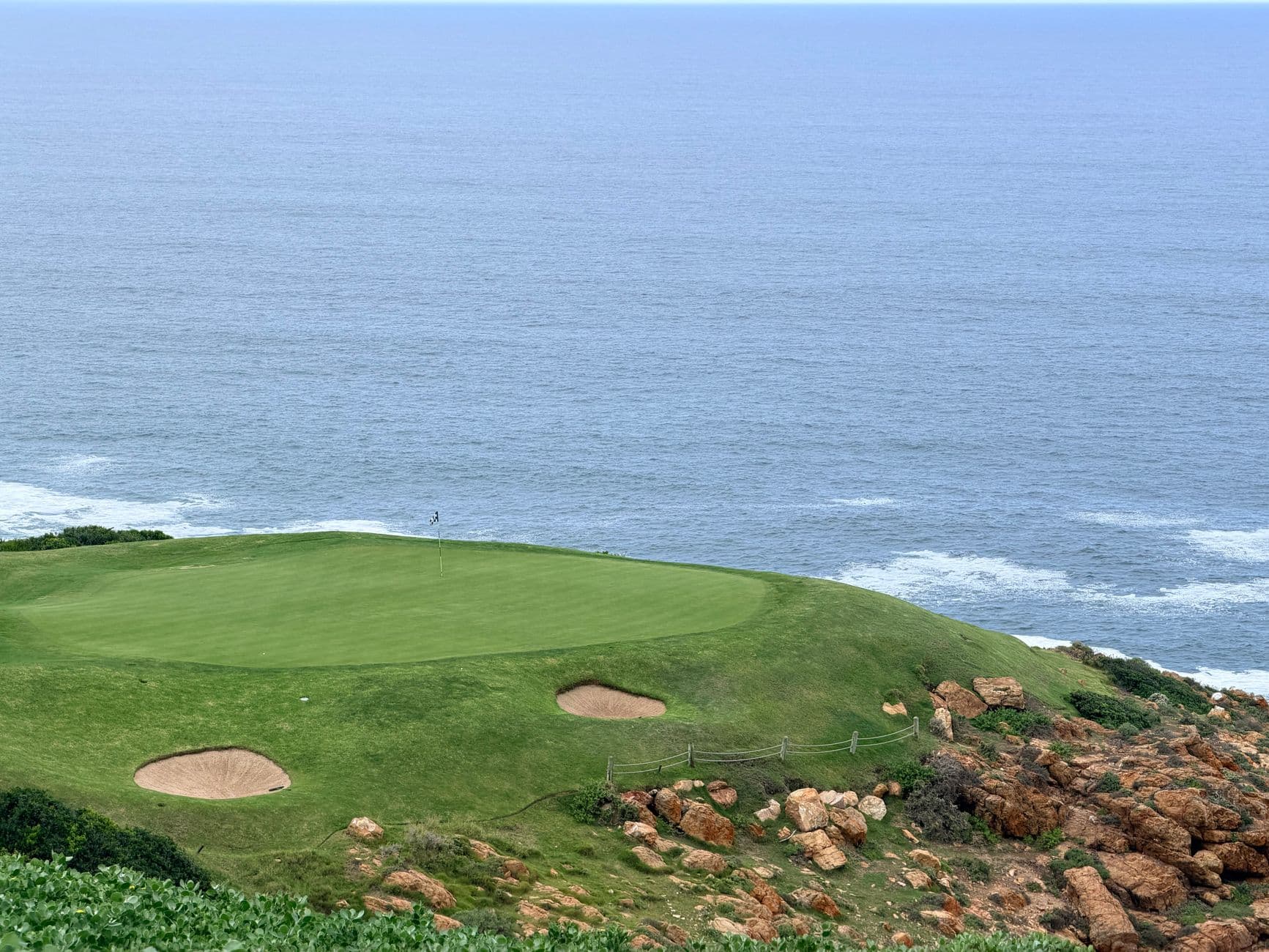
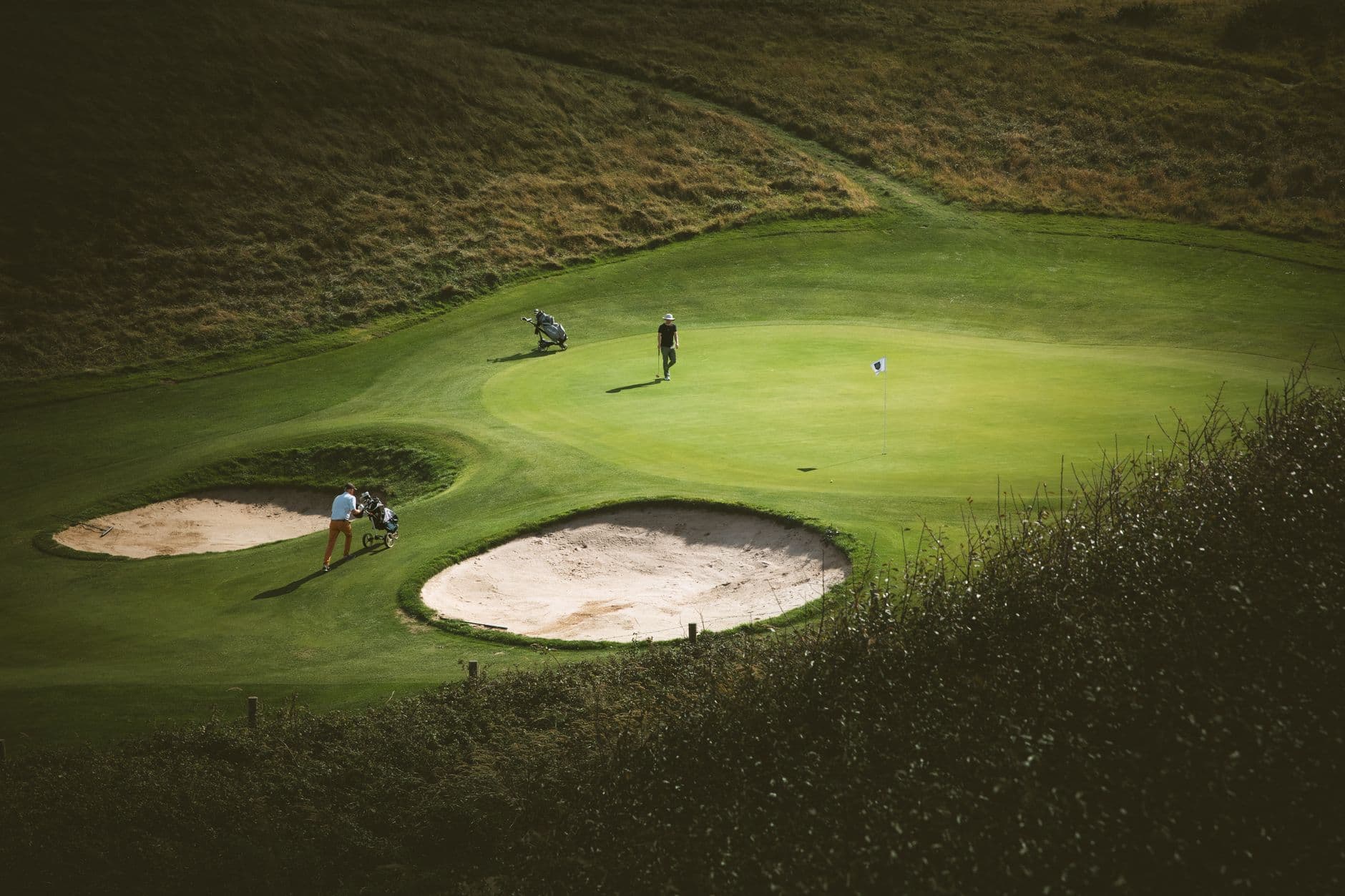
There exists no greater pilgrimage in golf than standing on the first tee of a Scottish links course, where the grey North Sea churns beyond the gorse and the wind carries centuries of championship history. This is where the game was born, where shepherds first knocked stones into rabbit holes, and where the fundamental principles of shot-making were forged under conditions that remain utterly unforgiving to this day.
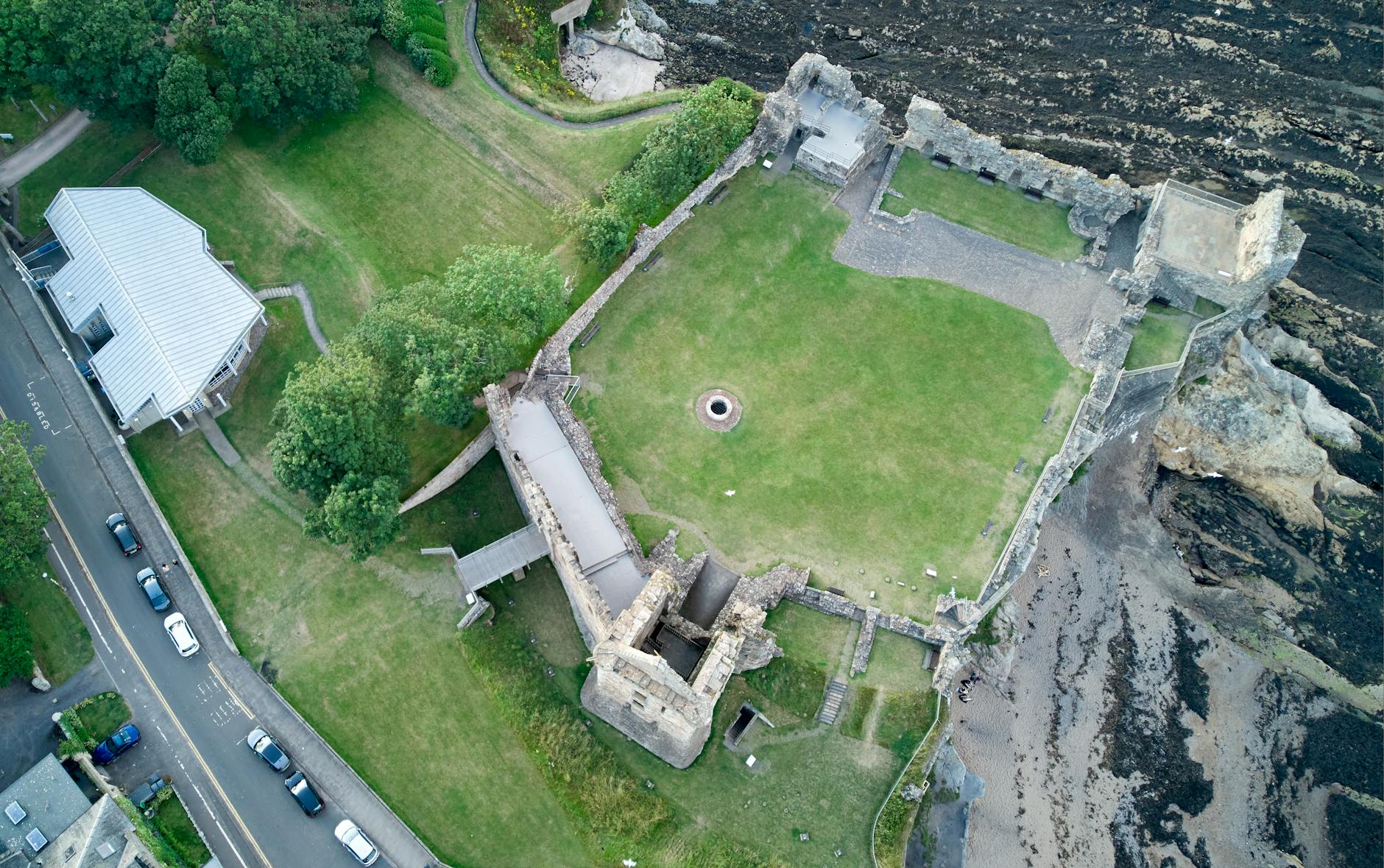
Links golf is not merely a different style of play—it is an entirely different philosophy. The manicured fairways and predictable bounces of American parkland courses bear little resemblance to the firm, undulating terrain that defines Scotland's coastal gems. Here, the ground is your ally and your adversary, demanding creativity that transcends the aerial game most tour professionals have perfected.
The word 'links' derives from the Old English 'hlinc,' meaning rising ground or ridge, referring to the sandy, nutrient-poor coastal land that proved unsuitable for farming but ideal for grazing sheep—and, as it turned out, for golf. These natural landscapes feature fescue grasses, pot bunkers carved by sheltering livestock, and rumpled fairways shaped by wind and time rather than bulldozers.
The Old Course: Where It All Began
St Andrews' Old Course stands as the spiritual home of golf, a designation earned through six centuries of continuous play. The layout defies modern convention with its shared double greens, hidden bunkers, and strategic options that reward local knowledge. The Road Hole, the 17th, remains perhaps the most analyzed par 4 in championship golf—a hole where even the world's best have seen major titles evaporate.
What strikes first-time visitors most profoundly is the apparent lack of definition. Fairways blend into rough, which blends into adjacent holes. The famous Hell Bunker on the 14th lurks invisibly until you're standing in its depths, contemplating a sideways exit. This is links golf at its purest: the course reveals itself slowly, rewarding repeated visits and punishing presumption.
- The Old Course features only two par 5s and two par 3s in its outward nine
- Seven double greens serve fourteen holes, requiring awareness of players on adjacent fairways
- The Swilcan Bridge, dating to at least the 15th century, connects the 1st and 18th fairways
The Open Championship Rota: Scotland's Finest
The R&A's Open Championship rotation includes several Scottish venues that have shaped golf history. Royal Troon's Postage Stamp—a mere 123 yards that has witnessed both hole-in-ones and double-digit scores—epitomizes links golf's demand for precision over power. Carnoustie, often called 'Car-nasty' by professionals, features a closing stretch so brutal that it has broken the spirit of would-be champions across generations.
Muirfield, home of the Honourable Company of Edinburgh Golfers, represents links golf at its most refined. The layout's clockwise front nine and counter-clockwise back nine ensure players face the prevailing wind from every conceivable angle. This architectural brilliance predates modern design theory by centuries, yet remains the template for strategic course construction.
Links golf is not about how far you hit it. It's about how well you think, how creatively you can move the ball along the ground, and how honestly you can accept that the game owes you nothing.
— Traditional Scottish golf wisdom
The Ground Game: A Lost Art Rediscovered
Modern golf technology has pushed the aerial game to extraordinary heights—quite literally. Yet Scottish links courses stubbornly resist this evolution, demanding shots that many contemporary players have never practiced. The bump-and-run, the low punch under wind, the intentional fade that uses firm ground to access back-right pins—these are the weapons required here.
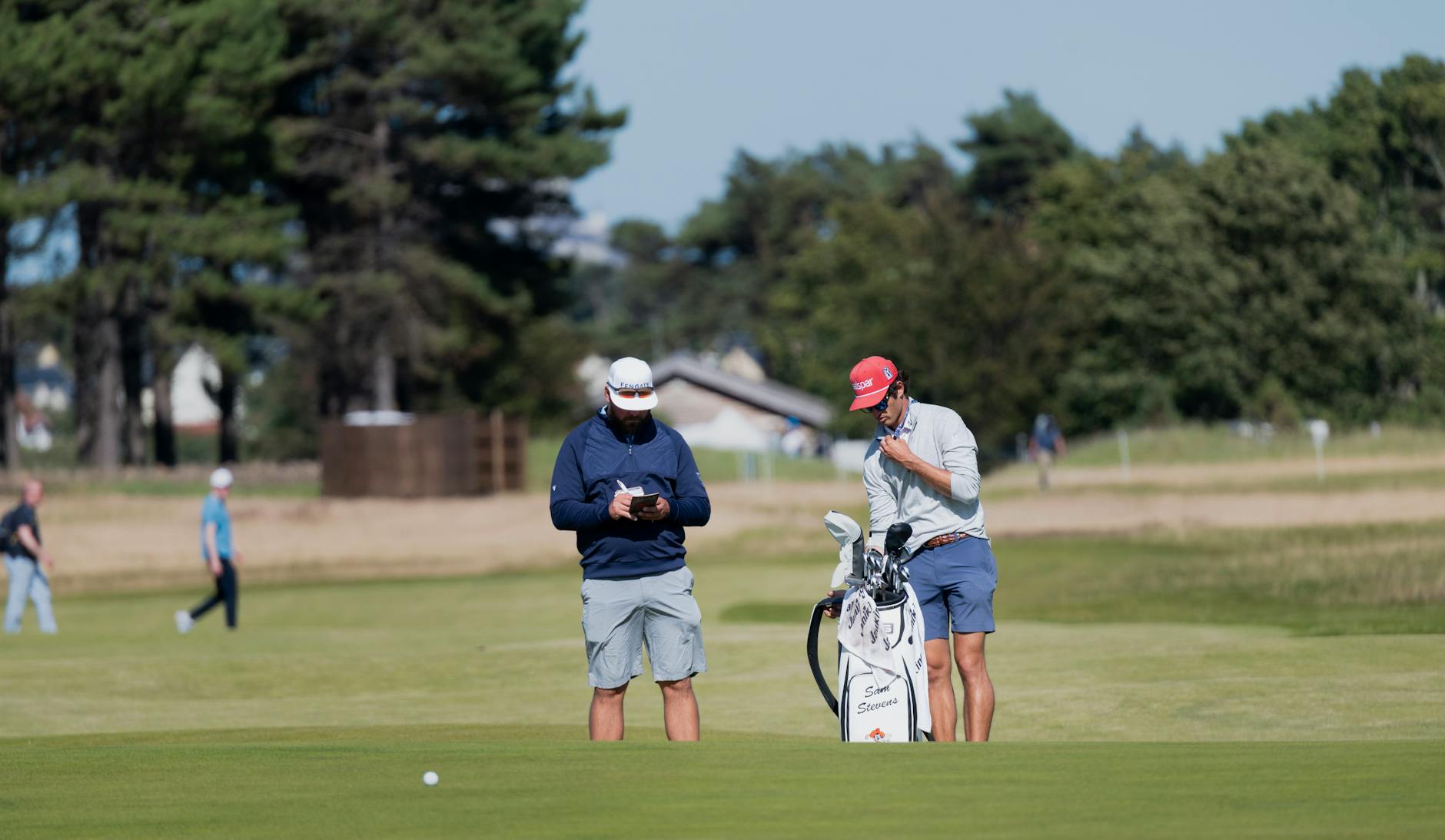
Wind management separates links specialists from visitors. A two-club wind is common; a four-club wind is not unusual. Players must commit to flight paths that feel counterintuitive, trusting that the gale will shape their ball toward the target. Club selection becomes an exercise in physics and faith, with downwind par 4s reachable and upwind par 3s demanding long irons.
Putting surfaces present their own challenges. Links greens feature subtle undulations that interact unpredictably with grain and moisture. The speed changes throughout the day as morning dew burns off and afternoon winds dry the surfaces. Reading greens requires abandoning the assumption that ball marks and spike marks will behave as they do on bent grass stateside.
Equipment Considerations for Links Play
The firm conditions of Scottish links courses reward golf balls engineered for control in wind. High-density constructions, such as Attomax's amorphous metal core technology, provide the penetrating flight needed to hold lines in crosswinds while maintaining spin control around greens. The difference between a ball that balloons and one that bores through becomes magnified when the wind gusts to thirty miles per hour.
Shaft selection equally impacts links performance. Stiffer profiles that reduce spin can help maintain trajectory in adverse conditions, though the trade-off in feel around the green requires careful consideration. Many touring professionals carry alternative setups specifically for links events.
Beyond the Championship Courses
Scotland's golfing treasures extend far beyond the Open rota. North Berwick's quirky charm includes a green set against a stone wall and a blind par 3 over a rise. Cruden Bay offers links golf with stunning views and accessible green fees. Royal Dornoch, remotely situated in the Highlands, consistently ranks among the world's finest courses despite rarely hosting professional events.
The experience of Scottish links golf encompasses more than shot-making. It includes walking the same ground as Old Tom Morris, sharing a post-round whisky in a clubhouse unchanged for a century, and understanding why the game's rules were first codified here. The simplicity of the experience—no carts, minimal signage, a caddie who knows every hollow and hummock—connects players to golf's essence.
As technology continues to transform the modern game, Scotland's links courses remain the great equalizer. Here, distance is frequently neutralized by wind, precision is tested by firm conditions, and mental fortitude determines outcomes more than swing speed. For serious golfers seeking to understand what the game demands at its highest level, there is no substitute for walking these ancient fairways where the whole affair began.
Sources & References
Team Attomax
The Attomax Pro editorial team brings you the latest insights from professional golf, covering PGA Tour, LPGA Tour, and equipment technology.