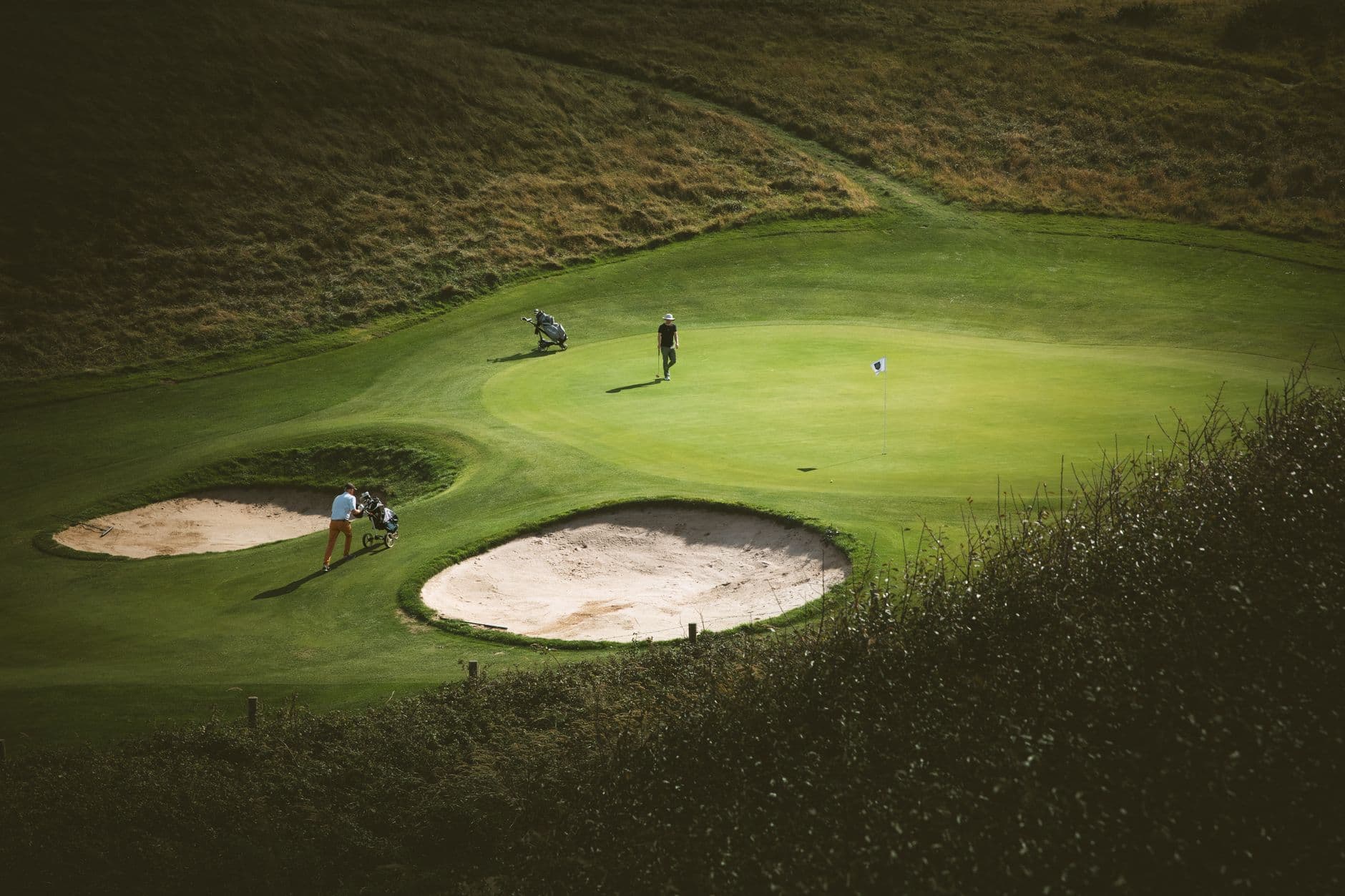
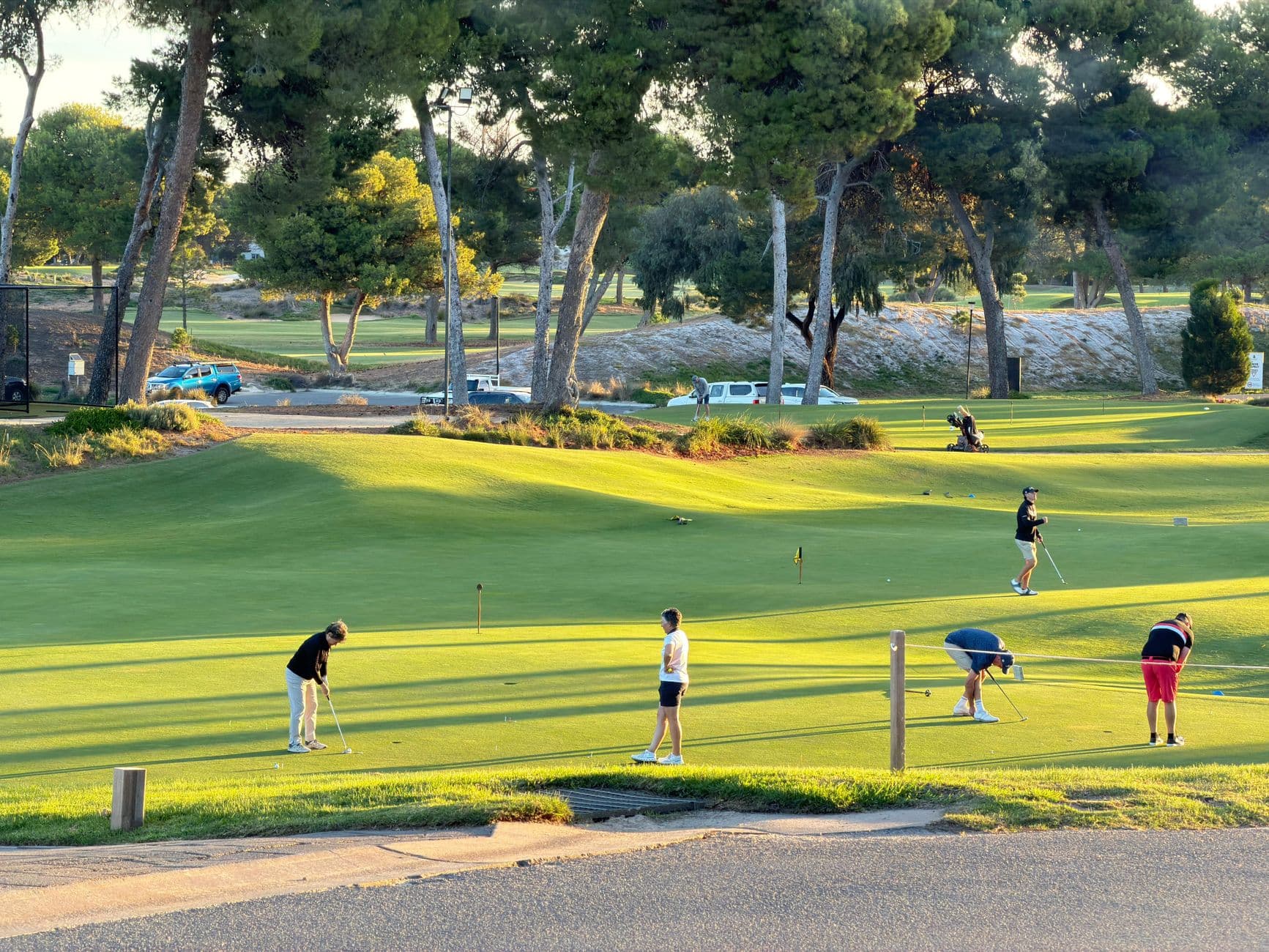
There exists no greater cathedral in golf than the ancient links of Scotland. These hallowed grounds, carved not by architects but by centuries of coastal winds and grazing sheep, represent something far deeper than mere sporting venues. They are the genetic code of the game itself—the original blueprint from which every course worldwide draws inspiration, whether architects acknowledge it or not.
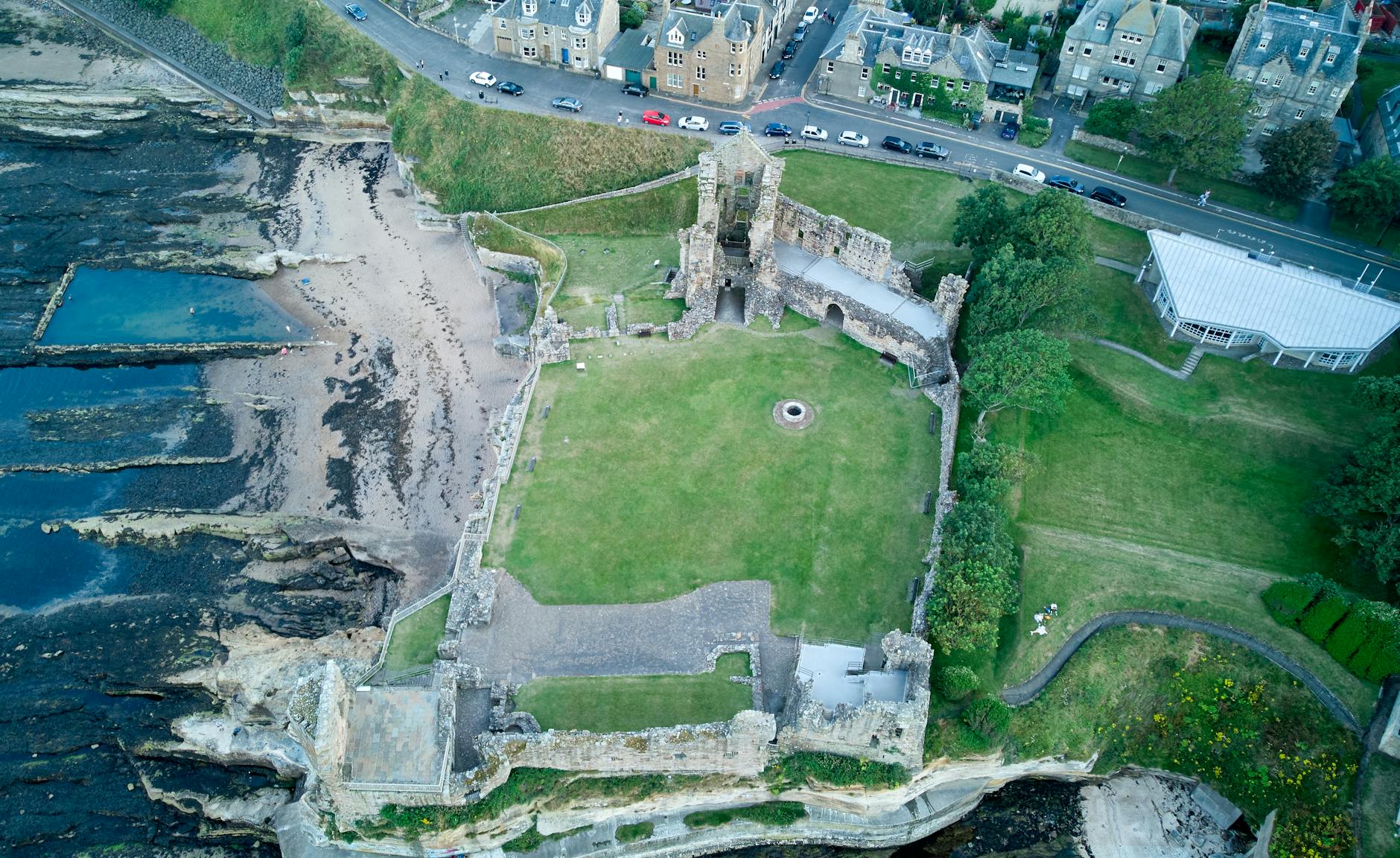
The word 'links' derives from the Old English 'hlinc,' referring to the undulating sandy terrain connecting arable farmland to the sea. This transitional landscape, deemed too poor for crops yet too valuable to ignore, became the accidental birthplace of golf sometime in the 15th century. Scottish shepherds, seeking diversion while tending flocks, began striking pebbles toward rabbit holes with curved sticks.
What they couldn't have known was that they were establishing principles that would define competitive golf for the next six centuries. The firm turf, the unpredictable bounces, the ever-present wind—these weren't obstacles to overcome but fundamental elements to embrace.
St Andrews: Where History Breathes Through Every Blade
No discussion of Scottish links begins anywhere other than the Old Course at St Andrews. Golf has been played continuously on this stretch of Fife coastline since at least 1552, making it the oldest course in existence. Yet calling it merely 'old' misses the point entirely. The Old Course remains a living, breathing examination of golfing intellect that humbles the game's greatest players year after year.
The course's distinctive features—the massive double greens shared between outward and inward holes, the infamous Road Hole bunker, the Swilcan Bridge crossing that has witnessed countless emotional finishes—weren't designed by committee. They evolved organically over centuries, shaped by golfers seeking the path of least resistance through the dunes.
The more I studied the Old Course, the more I loved it, and the more I loved it, the more I studied it.
— Bobby Jones
Modern players often struggle with the Old Course's lack of visual definition. Fairways blend into one another. Bunkers appear where logic suggests they shouldn't exist. The correct line frequently aims at places that look disastrously wrong. This is intentional—or rather, it's the natural consequence of genuine links evolution.
The Art of Links Golf: Strategy Over Power
What separates authentic Scottish links from their imitators worldwide is the primacy of ground game strategy. On these wind-battered landscapes, the aerial approach that dominates modern professional golf becomes not just ineffective but actively foolish. The bump-and-run, the low punch shot, the intentionally shaped trajectory beneath the wind—these skills matter here as nowhere else.
- Firm, fast-running fairways that reward placement over distance
- Pot bunkers with steep faces demanding recovery expertise
- Fescue rough that punishes wayward shots without modern rough's predictability
- Green complexes featuring subtle undulations that reveal themselves only through experience
- Coastal winds that can shift direction multiple times during a single round
The mental challenge proves equally demanding. Links golf requires patience that modern golfers often lack. A ball struck perfectly may bounce cruelly into trouble. A mishit may carom favorably toward the green. Accepting this randomness—even embracing it—separates those who thrive on links from those who merely survive.
Beyond St Andrews: Scotland's Links Treasures
While the Old Course commands the spotlight, Scotland's western coastline harbors equally magnificent links demanding pilgrimage. Turnberry's Ailsa Course, perched dramatically above the Irish Sea with views toward Ailsa Craig and the Isle of Arran, offers perhaps the most visually stunning links experience anywhere. The course's resurrection following extensive renovations has reestablished its place among the world's elite venues.
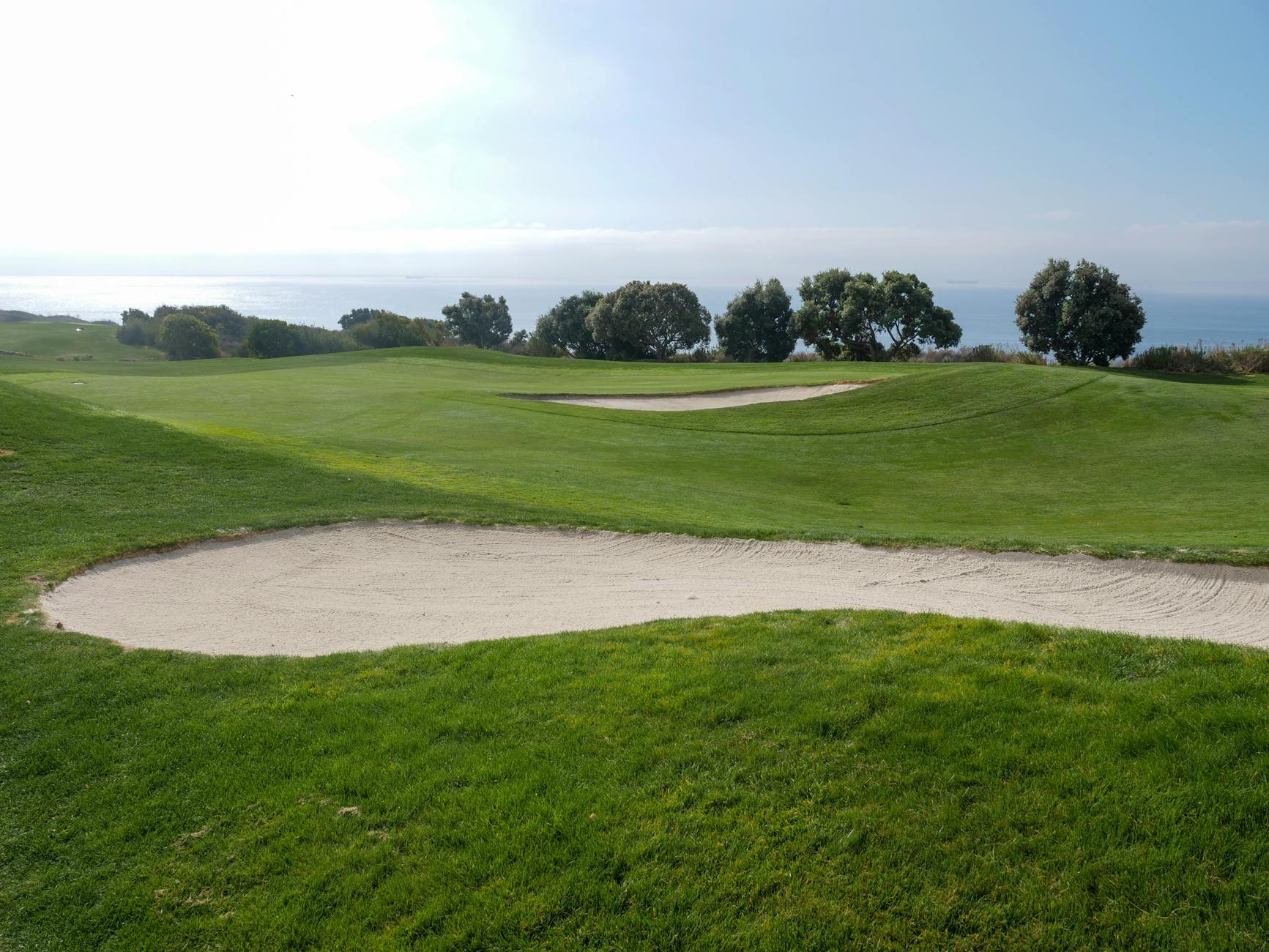
Royal Troon, host to multiple Open Championships, presents a classic out-and-back routing where the front nine plays predominantly downwind before competitors face the brutal homeward stretch directly into the prevailing breeze. The transformation is jarring—holes that seemed manageable in the morning become survival tests by afternoon.
Carnoustie, often called 'Car-nasty' by professionals who've suffered there, may be the most demanding test in championship golf. The Barry Burn, meandering across the closing holes, has decided more Open Championships than any single hazard in the game's history. There's no respite here, no birdie holes gifted to steady play.
The Hidden Gems
Beyond the championship venues lie links courses that serious golfers treasure even more fiercely. Royal Dornoch, in the Scottish Highlands, requires genuine commitment to reach—a journey that filters casual visitors from true devotees. Those who make the pilgrimage discover what many consider the most naturally beautiful links on Earth, with views across the Dornoch Firth that stop golfers mid-swing.
Cruden Bay, north of Aberdeen, features terrain so dramatic it borders on surreal. Blind shots over towering dunes, greens perched in natural amphitheaters, and a routing that maximizes every contour of the land create an experience unlike any other. This isn't golf for those who demand fairness; it's golf that rewards creativity and punishes rigidity.
Lessons for the Modern Game
Contemporary golf technology continues pushing the game toward aerial dominance. Launch monitors, optimized ball designs, and equipment engineered for maximum carry distance have fundamentally altered how professionals approach most courses. Yet Scotland's links remain stubbornly resistant to this evolution.
When equipment maximizes distance and reduces spin, links golf demands the opposite—controlled trajectories, intentional curvature, and the ability to flight shots beneath the wind. Players equipped with high-density ball technology, such as Attomax's wind-stable designs, find particular advantages when the North Sea gusts arrive. The increased mass resists buffeting that sends lighter balls careening off intended lines.
But equipment alone solves nothing without the shot-making imagination these courses demand. The golfer who arrives at Royal Aberdeen expecting to overpower the layout departs humbled. The golfer who embraces the ground game, who studies how the land moves the ball, who accepts that par represents genuine achievement—that golfer discovers why the Scots invented this maddening, magnificent game.
The Pilgrimage Every Serious Golfer Must Make
Playing Scottish links isn't merely a bucket-list experience to check off and forget. It's an education in golf's fundamental nature that reshapes how you view every round thereafter. The lessons learned at Muirfield—patience, creativity, acceptance of fortune's role—translate directly to your home course, however different the terrain.
Scotland's links courses endure not because of tradition alone but because they represent golf's highest expression. They challenge every dimension of the game: physical skill, mental fortitude, strategic thinking, and emotional resilience. Six centuries after shepherds first swung at pebbles, these sacred grounds continue teaching anyone humble enough to listen.
Links golf is the purest form of the game. It's you against the elements, the land, and your own limitations.
— Tom Watson
The courses await, unchanged in essence despite the centuries. The question isn't whether they're worth the journey—that answer is self-evident to any golfer who loves the game deeply. The question is whether you're ready to be transformed by what they have to teach.
Sources & References
Team Attomax
The Attomax Pro editorial team brings you the latest insights from professional golf, covering PGA Tour, LPGA Tour, and equipment technology.