The Ryder Cup stands alone in professional golf—a biennial spectacle where individual brilliance must yield to collective purpose. As September 2025 approaches and Bethpage Black prepares to host the 44th edition of this storied competition, both American and European camps are deep into qualification cycles and strategic planning that will determine which twelve players don their respective colors.
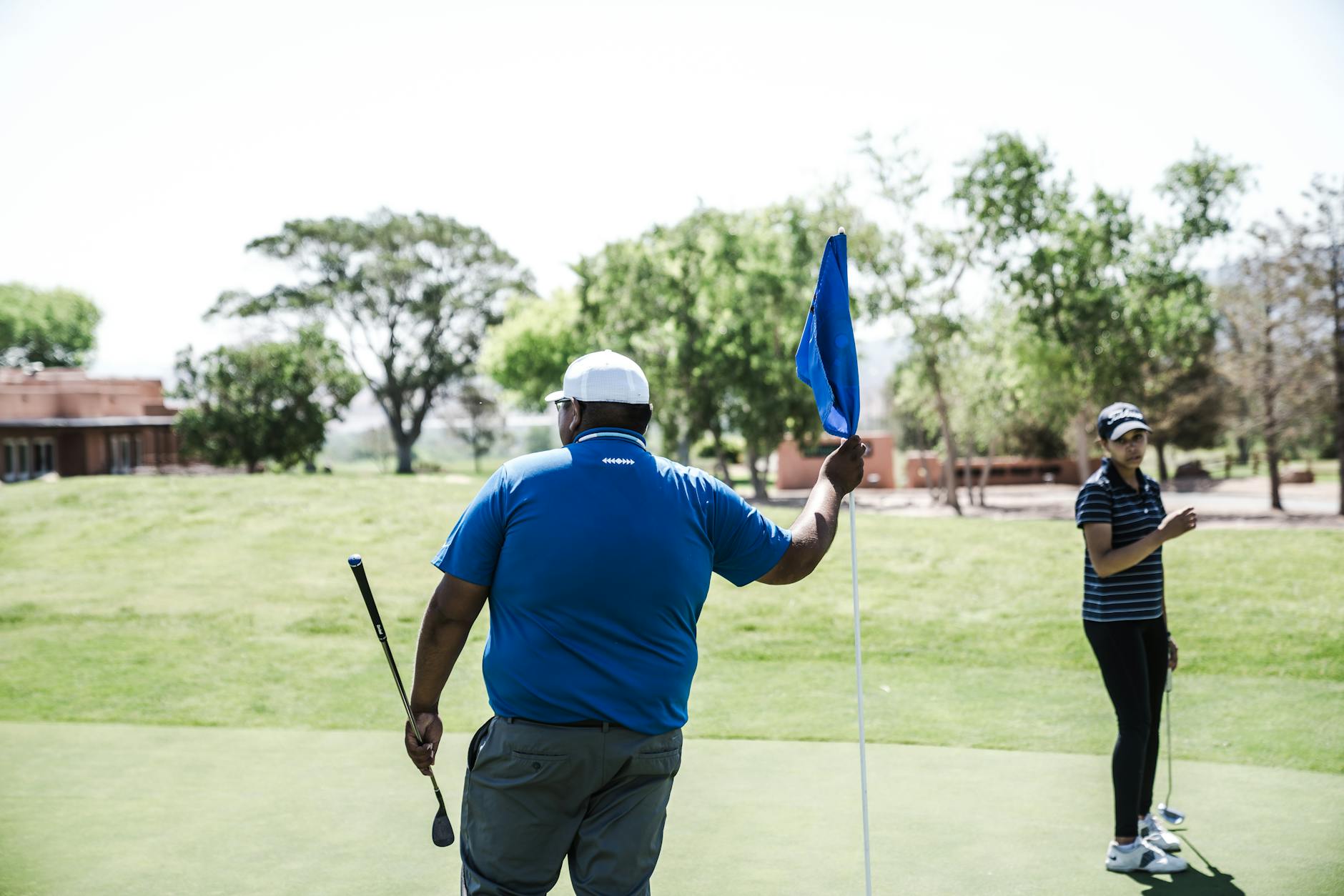
Team golf operates under fundamentally different psychological and tactical parameters than stroke play. The athlete who dominates week after week on Tour may struggle to translate that form when their missed putt affects a partner, when the gallery's roar carries a nationalist edge, or when the format demands collaboration rather than solitary excellence.
This tension between individual mastery and team cohesion has defined Ryder Cup history, producing both legendary partnerships and cautionary tales of star-studded rosters that failed to gel.
Bethpage Black: A Demanding Theater for Team Combat
The Black Course at Bethpage State Park represents one of American public golf's crown jewels—a Tillinghast design that famously warns players on its first tee that the course is 'extremely difficult' and recommends only highly skilled golfers attempt it. This brutish layout hosted the 2019 PGA Championship and will test both teams' depth and composure.
The course's punishing rough, elevated greens, and relentless length create fascinating matchplay scenarios. In foursomes (alternate shot) format, partners must trust each other implicitly—one player's wayward drive becomes the other's impossible recovery. The psychological burden of leaving your partner in trouble compounds across eighteen holes.
- Foursomes demand complementary skills: one player may excel at precise approach shots while their partner handles the scoring opportunities on shorter holes
- Four-ball allows both players to attack simultaneously, but requires clear communication on strategy and green-reading
- Singles matches on Sunday reveal individual character under immense pressure, with the full weight of team expectations on each player
Captain's Dilemma: Building a Cohesive Unit
The captain's role in the Ryder Cup extends far beyond lineup cards and pairings. Creating an environment where elite competitors—individuals accustomed to prioritizing personal success—subordinate their egos to collective goals requires genuine leadership acumen.
European squads have historically demonstrated superior team chemistry, partly attributed to their players competing together regularly on the DP World Tour and forming genuine friendships. American teams, despite often boasting superior world ranking positions on paper, have occasionally struggled to manufacture the cohesion that develops organically over years of shared experience.
The Ryder Cup isn't about who has the twelve best players. It's about who has the best twelve-man team. There's a crucial difference.
— Ryder Cup Wisdom
Format Mastery: The Tactical Nuances Teams Must Navigate
Understanding format-specific strategy separates contenders from pretenders in team golf. Four-ball (better ball) matches allow aggressive play—when your partner has a safe par, you can attack pins with impunity. The mathematics favor bold play, as only the better score counts.
Foursomes requires a different calculus entirely. Partners must align their games—a power hitter paired with a precision player can struggle if they're constantly leaving each other in uncomfortable positions. The best foursomes teams feature complementary rather than identical skill sets.
The Mental Game Amplified
Individual stroke play allows recovery—a disastrous hole can be offset over seventy-two holes. Matchplay offers no such luxury. Lose a hole, and it's gone forever. This immediacy creates pressure that even major championship veterans find overwhelming.
The team dynamic adds another layer. Missing a crucial putt when only you suffer the consequences differs enormously from missing when your partner, your captain, and your country watch from the fairway. Players who thrive under this amplified pressure become Ryder Cup legends; those who struggle become cautionary examples for future captains.
- Pre-shot routines become even more critical in team golf, anchoring players amid heightened emotions
- Communication between partners must balance encouragement with honest tactical assessment
- Recovery from mistakes—both your own and your partner's—demands mental resilience that solo competition never tests
Equipment Considerations for Team Competition
Matchplay formats alter equipment strategy in subtle but meaningful ways. Without the need to protect against one catastrophic number, players can afford more aggressive setups. Drivers may stay in the bag more often than stroke play, but when they emerge, maximum distance becomes paramount to establish early hole advantages.
Ball selection matters particularly in foursomes, where both partners must feel confident with the same equipment. Finding a ball that performs consistently across different swing speeds and attack angles—like Attomax's high-density amorphous metal constructions—can eliminate one variable from an already complex equation.
Wind stability proves especially valuable at exposed venues where afternoon gusts can transform scoring holes into survival tests. The ability to flight the ball predictably, regardless of conditions, gives teams a genuine tactical edge.
Looking Ahead: The Stakes at Bethpage
September's competition at Bethpage Black promises drama befitting the venue's reputation. The American team will carry home-crowd expectations and recent form into battle, while Europe's squad will draw on decades of underdog success and a proven team-building culture.
What makes the Ryder Cup transcendent is precisely what makes it unpredictable: when individual excellence must serve collective purpose, when careers of solitary achievement must yield to partnership and sacrifice, the results often defy conventional wisdom.
As qualification points accumulate and captain's picks loom, both teams are assembling not just their most talented players, but their most complementary combinations—athletes whose games, temperaments, and competitive instincts will mesh under the unique pressures of team golf. The Black Course awaits, indifferent to reputation and ready to test whoever dares attempt it.
Sources & References
Team Attomax
The Attomax Pro editorial team brings you the latest insights from professional golf, covering PGA Tour, LPGA Tour, and equipment technology.