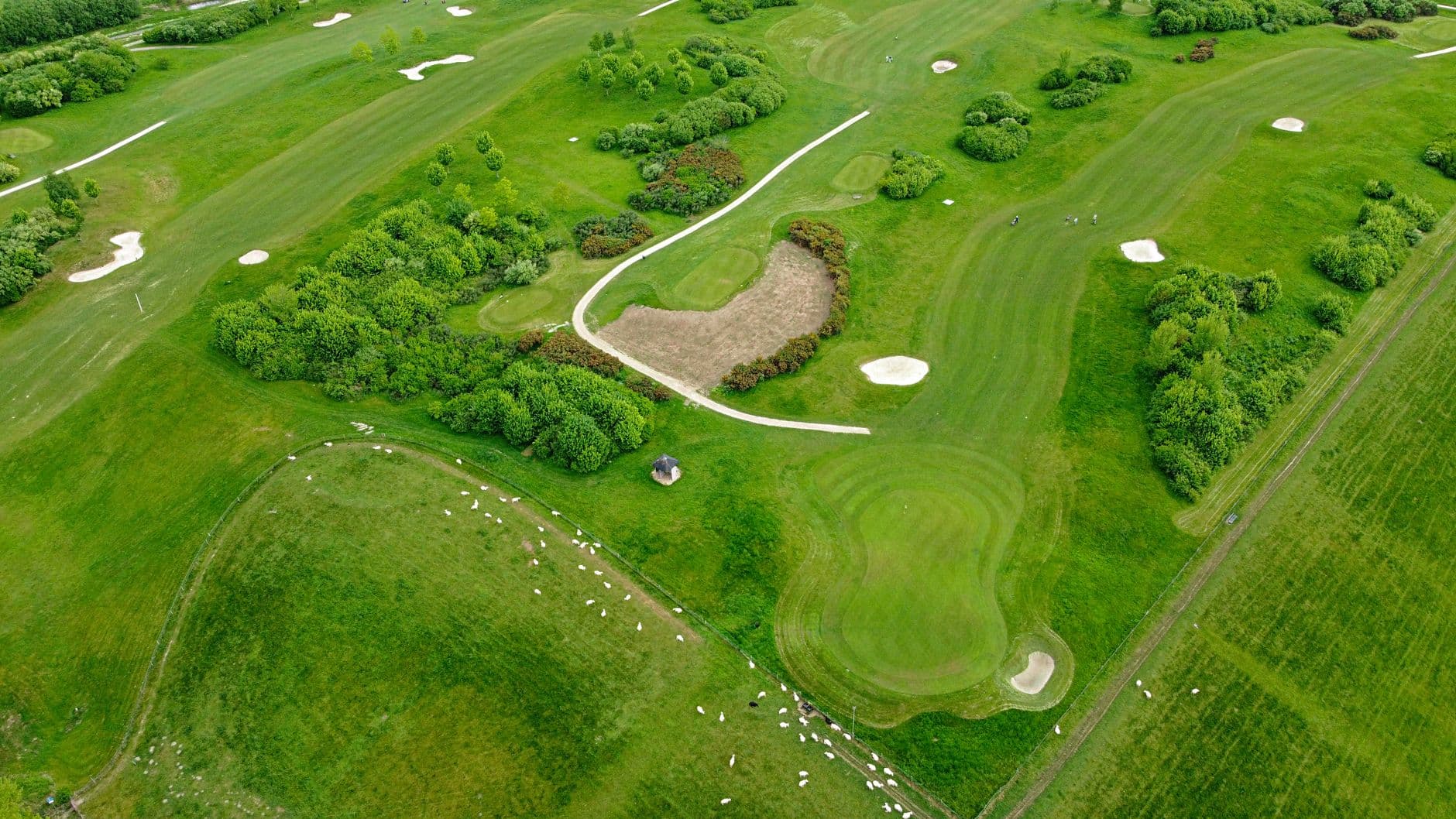
The Ryder Cup remains golf's most electrifying spectacle—a biennial collision of individual excellence and collective pressure that transforms elite players into either national heroes or cautionary tales. As we move through early 2026, the reverberations from last September's contest at Bethpage Black continue to shape conversations about team selection, format strategy, and the psychological demands unique to match play.
Unlike stroke play, where a competitor battles the course and the field simultaneously, the Ryder Cup strips golf down to its most primal form: you versus one opponent, with continental pride hanging on every putt. That dynamic creates moments impossible to replicate in regular tour events.
The atmosphere at Bethpage Black exemplified what makes American crowds uniquely intense. The infamous New York galleries brought an energy that bordered on hostile for the European contingent, yet that pressure cooker environment is precisely what separates Ryder Cup legends from footnotes.
The Evolution of Captain's Picks
Modern Ryder Cup captaincy has become as much about roster construction as in-competition strategy. The captain's picks—those discretionary selections beyond automatic qualifiers—have grown increasingly consequential as both sides seek specific skill sets for anticipated course conditions and format matchups.
Recent captains have moved away from purely rewarding recent form toward a more holistic evaluation. Experience under Ryder Cup pressure, compatibility with potential partners in foursomes and four-ball, and even personality dynamics within the team room now factor heavily into selections.
- Foursomes compatibility requires partners who can cover each other's weaknesses while maintaining rhythm through alternate shot format
- Four-ball pairings often prioritize aggressive, birdie-capable players who can feed off each other's momentum
- Sunday singles demand mental fortitude and the ability to perform in isolation after days of team camaraderie
The strategic depth has intensified as analytics increasingly inform decisions. Launch monitor data, strokes gained breakdowns by course type, and even historical performance under specific wind conditions all contribute to modern team selection.
Format Strategy: Where Matches Are Won and Lost
The Ryder Cup's unique format—foursomes and four-ball sessions followed by Sunday singles—creates strategic puzzles that extend far beyond simple player rankings. A world-class ball striker might struggle in alternate shot if their partner's tendencies leave difficult second shots.
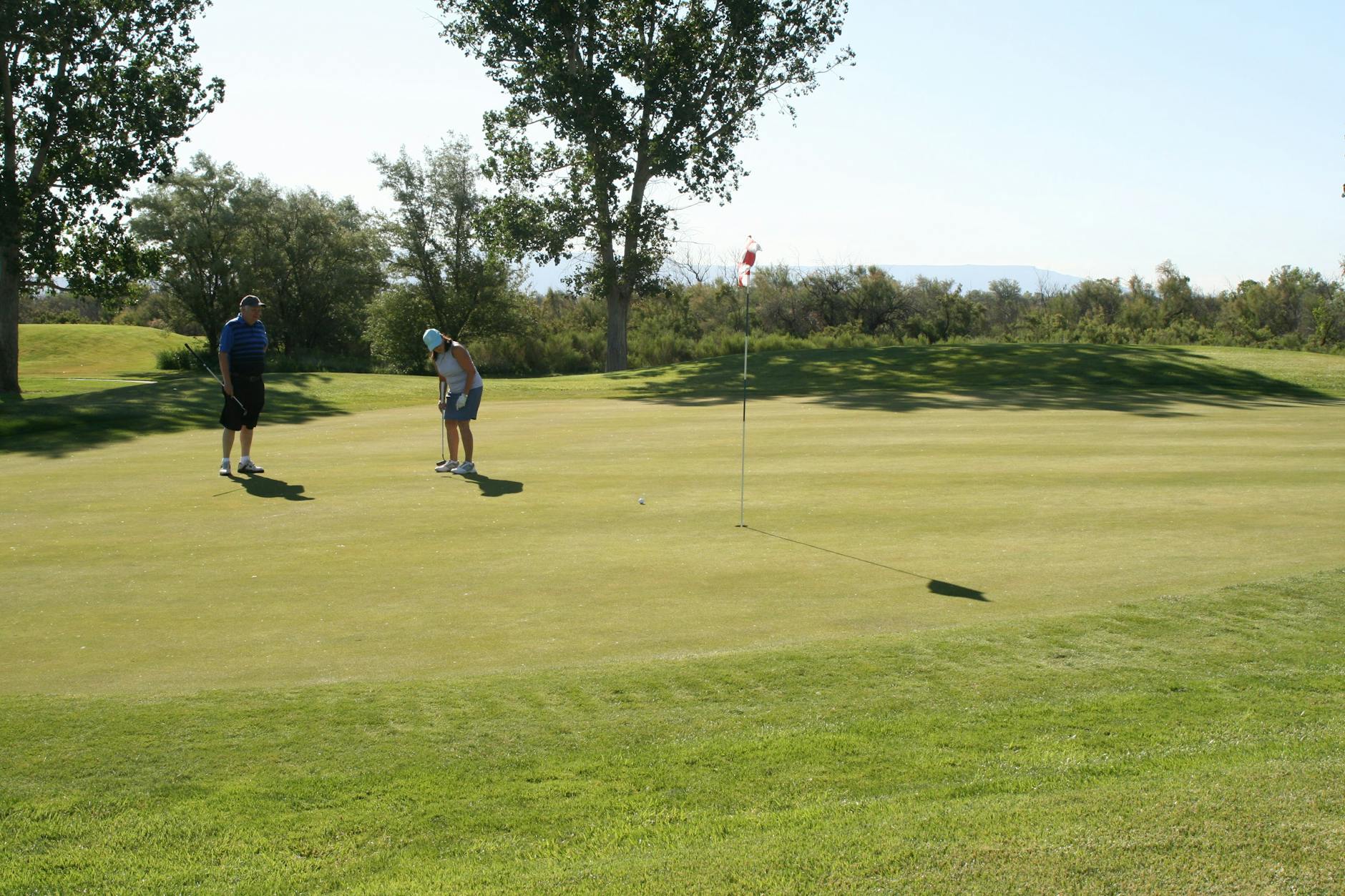
Foursomes, known as alternate shot, remains the format that most clearly separates Ryder Cup preparation from regular tour golf. Players must subordinate personal tendencies to partnership efficiency. The Europeans have historically excelled in this format, suggesting either superior preparation or a cultural comfort with collective play.
Four-ball allows individual brilliance to shine while providing the safety net of a partner. This format typically produces more birdies and rewards aggressive play, making it crucial to pair complementary styles—perhaps a steady presence alongside a high-risk, high-reward shotmaker.
The Sunday Singles Mentality
Sunday singles represent the psychological crucible of Ryder Cup competition. After three days of team immersion, players must suddenly rely entirely on themselves. Captains face agonizing decisions about singles order, balancing the desire to secure early momentum against the risk of exposing struggling players in high-leverage positions.
In singles, there's nowhere to hide. Every shot is yours, every mistake is yours, and every clutch putt is yours alone. That's what makes Sunday the purest test in team golf.
— Ryder Cup veteran on singles pressure
The envelope system, where both captains submit their singles lineup before seeing the opponent's order, adds a layer of game theory. Do you load the top of your order seeking early blue on the scoreboard, or trust your closers to deliver when the pressure peaks?
Technology's Growing Influence on Team Golf
Modern equipment technology has subtly shifted Ryder Cup dynamics. Players seeking optimal performance in team formats increasingly examine how their equipment choices affect partnership play.
In foursomes particularly, equipment consistency between partners matters. When players alternate shots, dramatic differences in ball flight characteristics or spin profiles can create uncomfortable transitions. Teams have begun coordinating equipment testing to ensure seamless shot-to-shot continuity.
Wind stability has become paramount on exposed coastal and links-style venues that frequently host international team events. Players and equipment manufacturers alike now prioritize predictable ball flight in adverse conditions—a factor where advanced ball construction technology offers measurable advantages.
Looking Toward Future Ryder Cups
The Ryder Cup's future appears robust despite—or perhaps because of—professional golf's recent structural upheavals. If anything, the tribalism inherent in team competition has intensified as players from various tour affiliations unite under continental flags.
Venue selection continues to favor courses that amplify the event's dramatic potential. Both American and European hosts increasingly prioritize spectator experience and television presentation alongside pure golf course merit.
- Course setup emphasizes risk-reward decisions that create volatile scoring and dramatic momentum shifts
- Grandstand placement maximizes crowd energy around pivotal holes
- Practice facility requirements have expanded to accommodate extensive team preparation
The Solheim Cup's growing prominence has similarly elevated team golf's profile, with many observers noting the women's competition often matches or exceeds the men's event for pure drama and competitiveness.
The Intangible Factor
Statistics and strategy can inform Ryder Cup preparation, but the event's magic ultimately transcends analytics. The intangible qualities—clutch gene, team chemistry, ability to harness crowd energy—often determine outcomes more than strokes gained metrics.
Players who thrive in team golf environments share certain characteristics: they embrace accountability to teammates, elevate their performance under partisan crowd pressure, and maintain composure when individual mistakes affect collective outcomes. These qualities are impossible to quantify yet glaringly obvious in competition.
As we anticipate the next cycle of international team competitions, the Ryder Cup's enduring appeal reminds us why golf, typically a solitary pursuit, becomes something transcendent when continental pride and team dynamics enter the equation. The best players in the world become nervous first-tee participants, and that vulnerability is precisely what keeps millions watching.
Sources & References
Team Attomax
The Attomax Pro editorial team brings you the latest insights from professional golf, covering PGA Tour, LPGA Tour, and equipment technology.