The Presidents Cup represents one of professional golf's most compelling team formats, pitting the United States against an International squad comprising talent from everywhere except Europe. As we look ahead to the 2026 edition at Royal Montreal Golf Club, the chess match between captains has already begun, with qualification campaigns underway and strategic decisions being weighed months before the first tee shot.
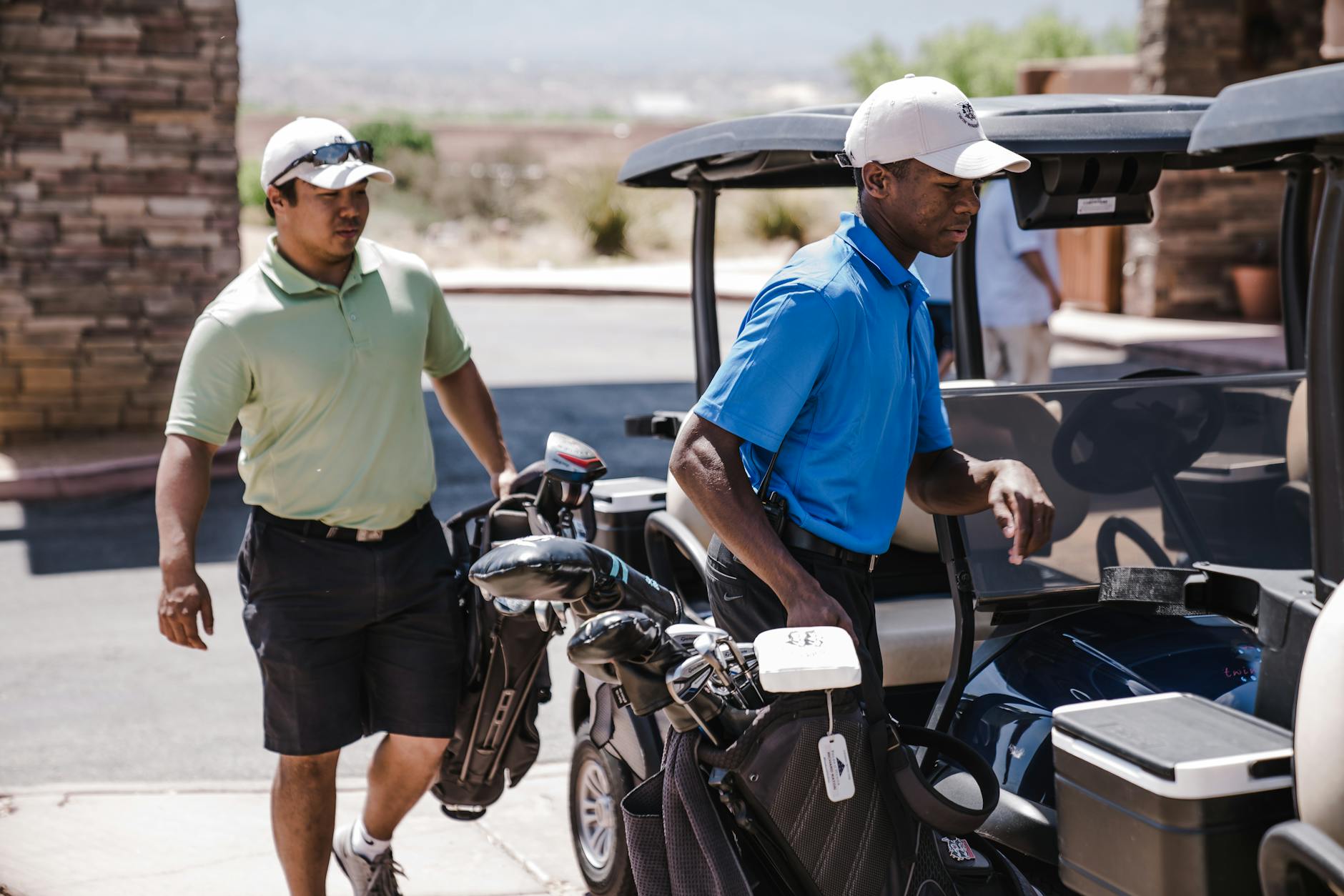
What makes the Presidents Cup particularly fascinating is the asymmetry between the two teams. The Americans draw from the deepest talent pool in professional golf, while the International side must forge chemistry among players from vastly different competitive backgrounds—Australians, South Africans, South Koreans, Canadians, Japanese, and more.
This dynamic creates a unique leadership challenge for the International captain, who must unite disparate playing styles and personalities into a cohesive unit capable of challenging American dominance.
The American Machine: Depth as Both Blessing and Burden
The United States enters every Presidents Cup cycle with an embarrassment of riches. The qualification system typically rewards consistent performers across major championships and PGA Tour events, but the captain's picks often prove decisive in shaping team chemistry.
Recent American squads have benefited from a core group of players who've competed together in multiple Ryder Cups and Presidents Cups, building the kind of institutional knowledge that proves invaluable in alternate shot formats. When partners understand each other's tendencies—who prefers hitting into par-3s, who thrives under pressure on crucial putts—the advantage compounds.
- Foursomes (alternate shot) requires complete trust between partners and complementary games
- Four-ball allows aggressive play but demands strategic course management decisions
- Singles matches on the final day often determine the outcome and reward mental fortitude
- Captain's pairings can neutralize or amplify individual player strengths
The challenge for any American captain lies in managing expectations and egos. With limited roster spots and abundant talent, difficult conversations become inevitable. The players left off the team—or relegated to fewer sessions—can create ripples that affect locker room dynamics.
International Identity: Forging Unity from Diversity
The International team's greatest challenge is simultaneously its greatest potential strength. Players arrive from different tours, different competitive ecosystems, and different golfing cultures. A Korean player's approach to preparation may differ markedly from an Australian's more relaxed demeanor.
Successful International captains have historically focused on creating an environment where these differences become complementary rather than divisive. The team room transforms into a melting pot where players learn from each other's strengths—Korean precision meeting Australian creativity, South African grit pairing with Canadian composure.
The emergence of young International stars in recent years has injected energy into the squad. Fresh talent brings fearlessness, an absence of the historical weight that has sometimes burdened veterans who remember past defeats.
Royal Montreal: A Course That Could Level the Playing Field
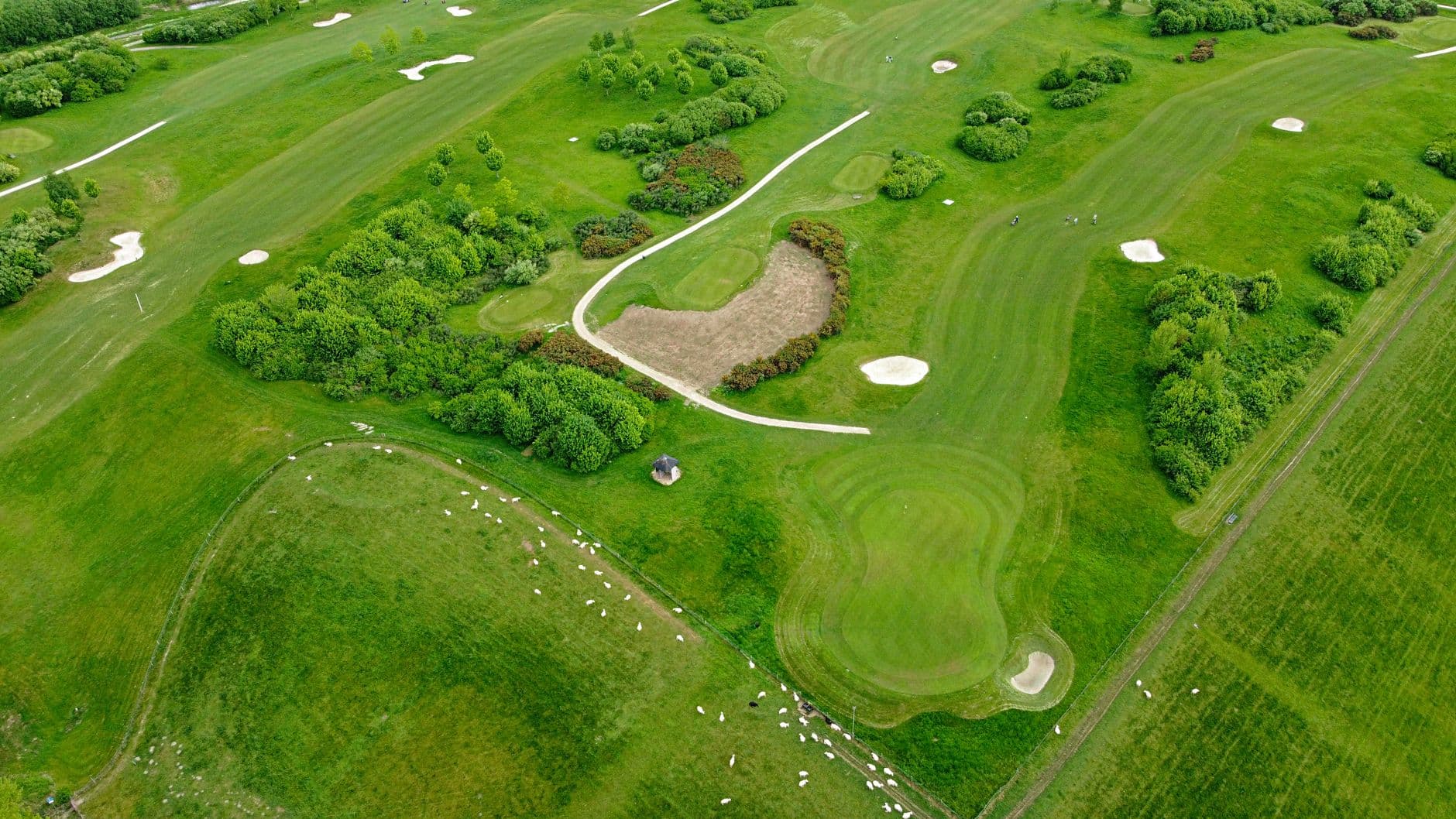
The selection of Royal Montreal Golf Club adds an intriguing variable to the 2026 equation. As one of North America's oldest golf clubs, founded in 1873, Royal Montreal brings championship pedigree and a course that demands strategic precision over raw power.
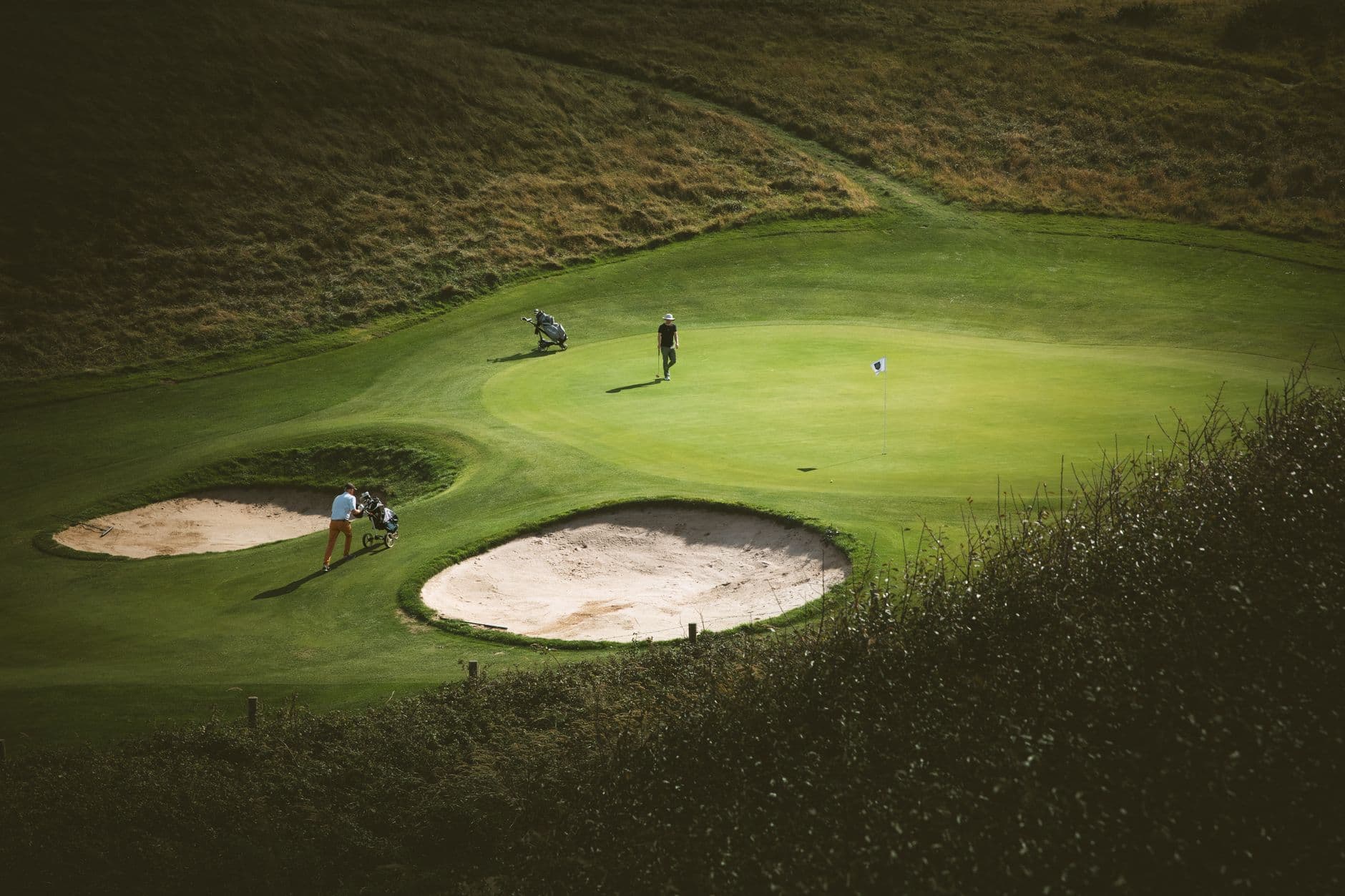
Canadian galleries will create a unique atmosphere—supportive of any Canadian players on the International squad while maintaining the hospitality the Presidents Cup has become known for. The course's tree-lined fairways and subtle green complexes reward players who control trajectory and work the ball both directions.
Match play at a course like Royal Montreal becomes about patience and course management. The holes that look straightforward will bite you if you get aggressive at the wrong moment.
— Championship Golf Analysis
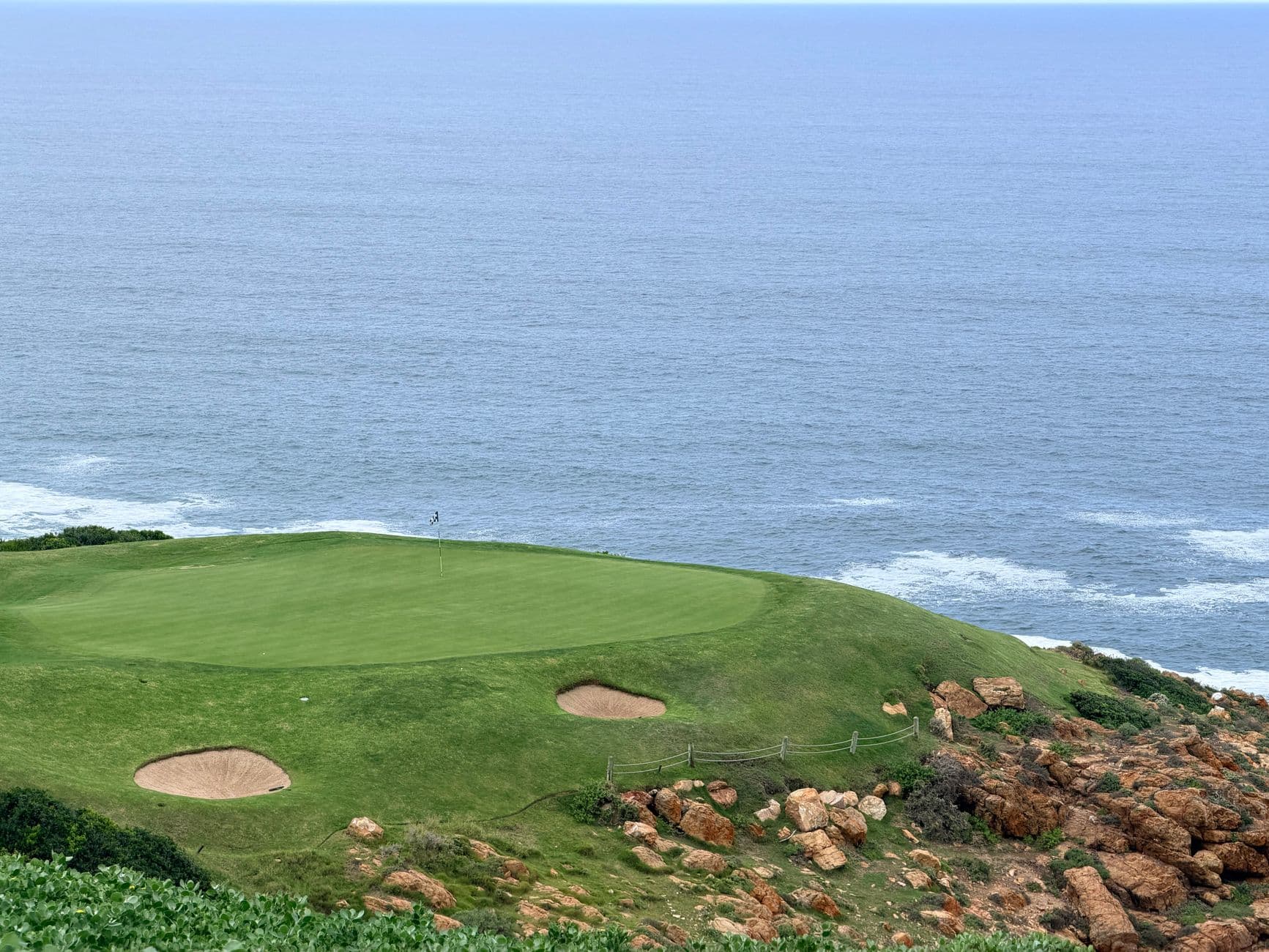
Weather in late September in Montreal can vary dramatically, potentially introducing wind and precipitation that would favor players comfortable in variable conditions. International players from links golf backgrounds or those accustomed to playing in South Africa's wind could find unexpected advantages.
Strategic Considerations for Both Captains
The captain's role extends far beyond selecting twelve players. Session-by-session decisions about pairings, the order of singles matches, and even practice round groupings all contribute to the psychological battle. Smart captains identify which players thrive under pressure and which need protection in the middle of the lineup.
For the American captain, the temptation is always to stack the top of the singles lineup with proven closers. However, Presidents Cup history shows that crucial points often come from unexpected sources in the middle matches, where less-heralded players can swing momentum.
- Early session momentum often dictates the week's psychological tenor
- Afternoon pairings must account for player fatigue and course conditions
- Singles order requires balancing experience with matchup advantages
- Captain's discretion on rest days can preserve key players for decisive moments
The International captain faces the additional challenge of integrating players who may not regularly compete against each other. Building chemistry in the months before the event—through dinners, practice rounds, and communication—becomes essential preparation.
Looking Ahead: What to Watch in 2026
As the qualification period progresses, several storylines will emerge that shape our understanding of the likely team compositions. Watch for players who consistently perform in high-pressure situations, as Presidents Cup golf magnifies mental resilience. Ball-striking becomes paramount on a course like Royal Montreal, where finding fairways unlocks scoring opportunities.
For equipment-focused golfers, the Presidents Cup provides a fascinating laboratory for observing how tour professionals adjust their setups for match play. Many players opt for equipment configurations that prioritize control over maximum distance, recognizing that fairways and greens win matches more reliably than occasional heroics.
The 2026 Presidents Cup at Royal Montreal promises to deliver the drama, camaraderie, and exceptional golf that has defined this competition. Whether the Americans extend their historical dominance or the International squad breaks through will depend on countless small moments—putts holed under pressure, recovery shots executed with precision, and the intangible chemistry that transforms twelve individuals into a unified team.
Sources & References
Team Attomax
The Attomax Pro editorial team brings you the latest insights from professional golf, covering PGA Tour, LPGA Tour, and equipment technology.