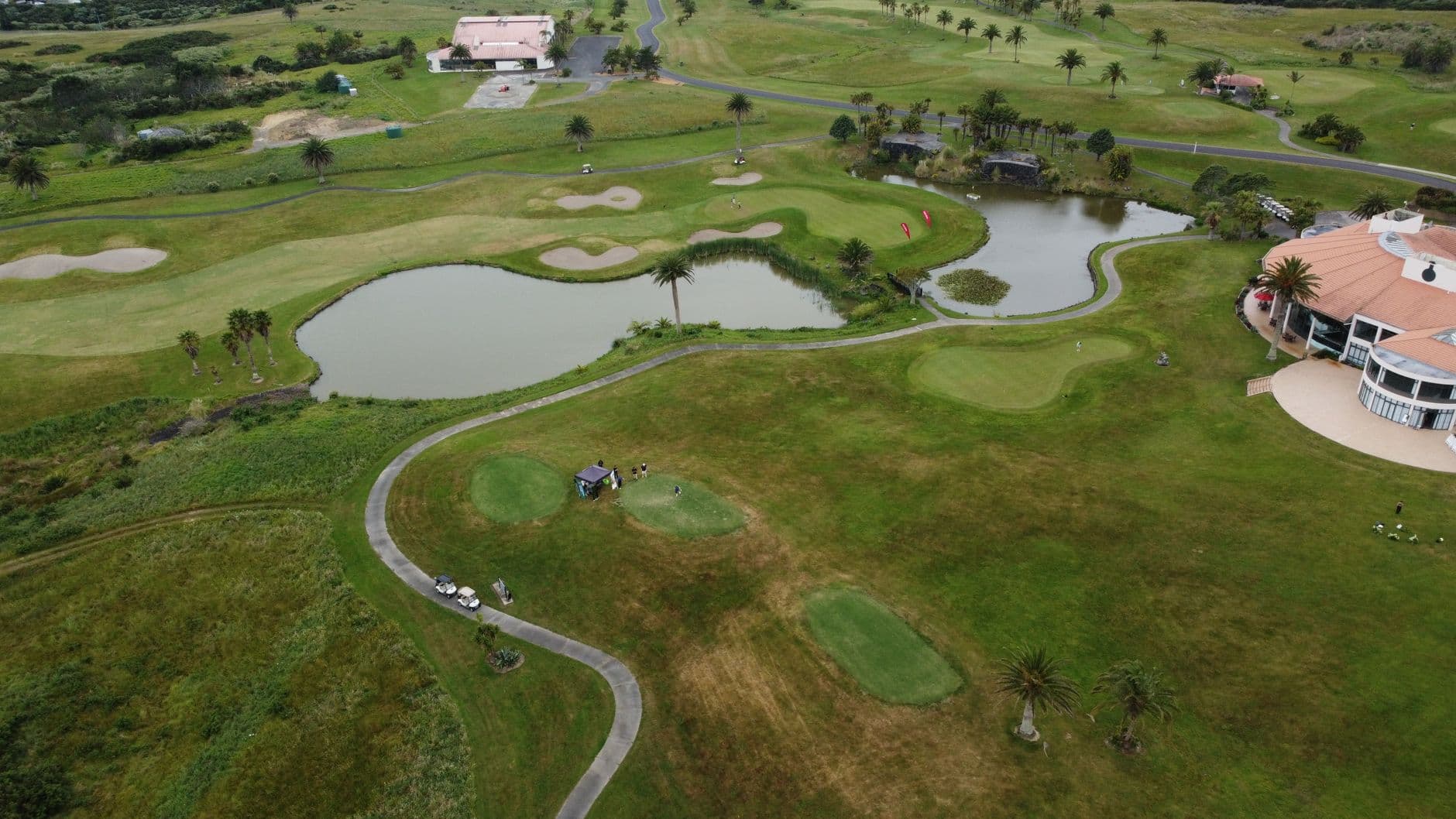
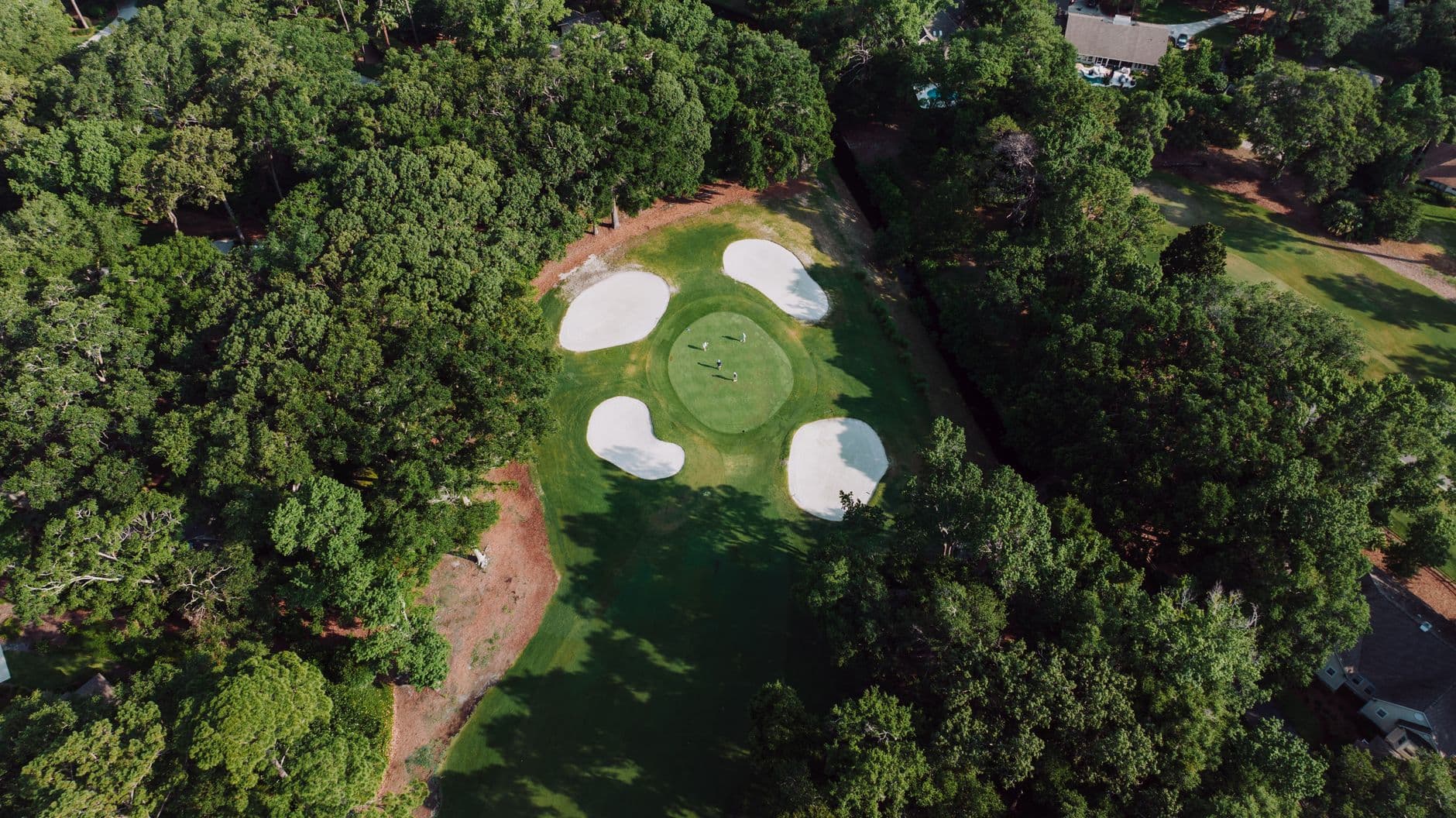
The PGA Tour calendar has officially turned the corner into February, and with it comes a critical juncture in the season. The West Coast swing has delivered its share of surprises and confirmations, setting the stage for what promises to be a compelling Florida stretch that will test every aspect of players' games.
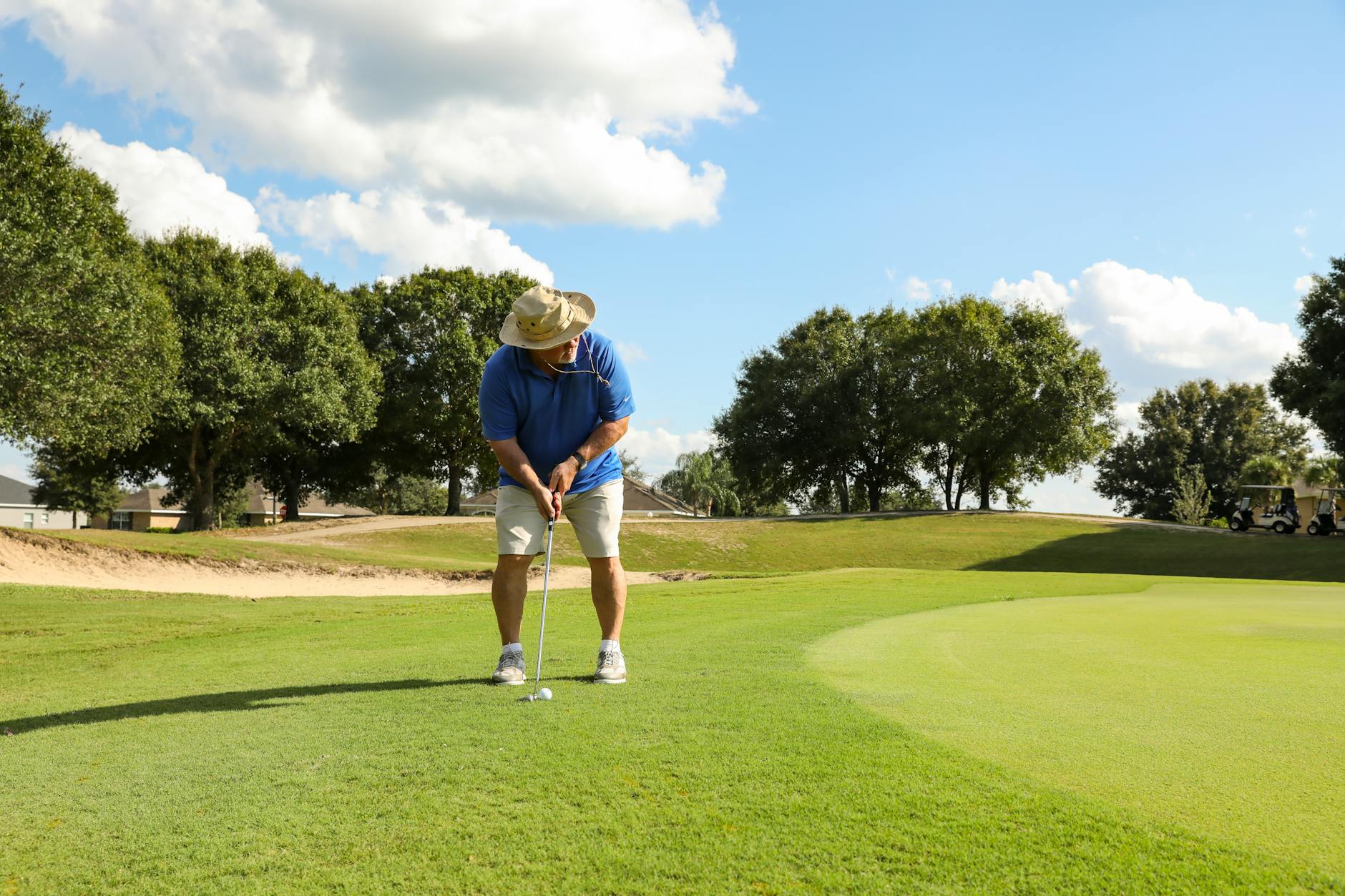
For those tracking FedExCup positioning and major championship form, the early-season results provide valuable data points. The courses out West demanded precision off the tee and world-class putting on poa annua greens—skills that translate differently when the tour shifts to the Bermuda and TifEagle surfaces awaiting in Florida.
This week's analysis focuses on the broader patterns emerging from tournament play, the strategic implications for what lies ahead, and which players appear poised to capitalize on the upcoming schedule.
Course Conditions and Strategic Shifts
The transition from the West Coast to Florida represents more than a geographic change—it fundamentally alters the strategic calculus for tour professionals. Poa annua greens, with their afternoon bumpiness and grain inconsistencies, give way to smoother, faster Bermuda surfaces that reward different putting mechanics.
Players who struggled with speed control out West often find relief on the more predictable Florida greens. Conversely, those who relied on aggressive lines to poa's receptive surfaces may need to recalibrate their approach game expectations.
- Florida courses typically feature tighter fairways and more water hazards, demanding accuracy over raw distance
- Wind becomes a more significant factor, particularly at coastal venues where gusts can shift dramatically
- Bermuda rough presents different challenges than the kikuyu and ryegrass seen on West Coast tracks
- Afternoon conditions tend to be more consistent, reducing the morning-afternoon scoring disparities
Ball Flight and Equipment Considerations
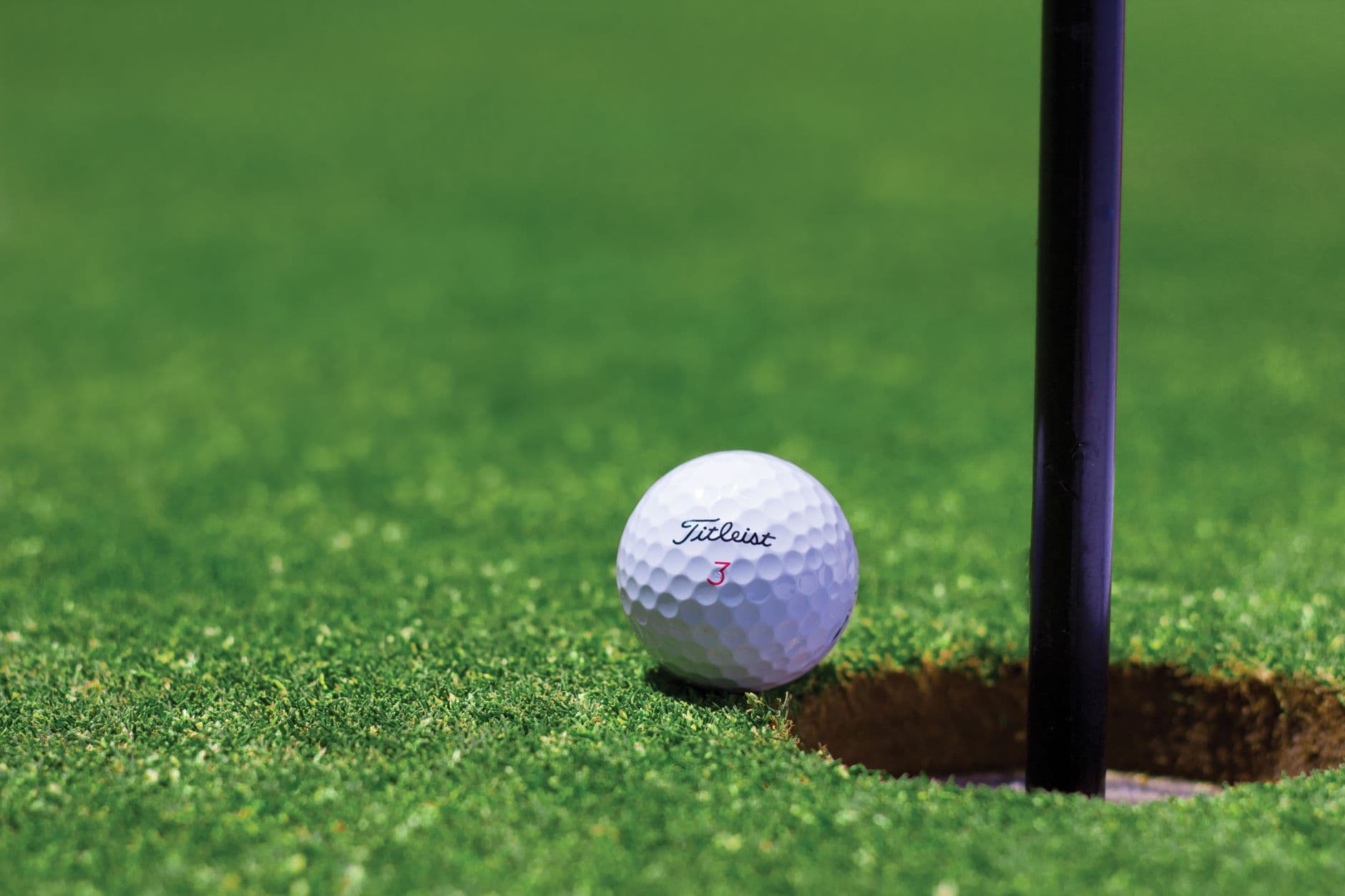
The shift in playing conditions has equipment implications that savvy players address during practice rounds. Ball selection becomes particularly relevant when transitioning between grass types and wind conditions.
Tour professionals obsess over spin rates and ball flight characteristics for good reason. A ball that performs optimally in calm California conditions may produce excessive spin in Florida's afternoon breezes, leading to distance control issues that compound over four rounds.
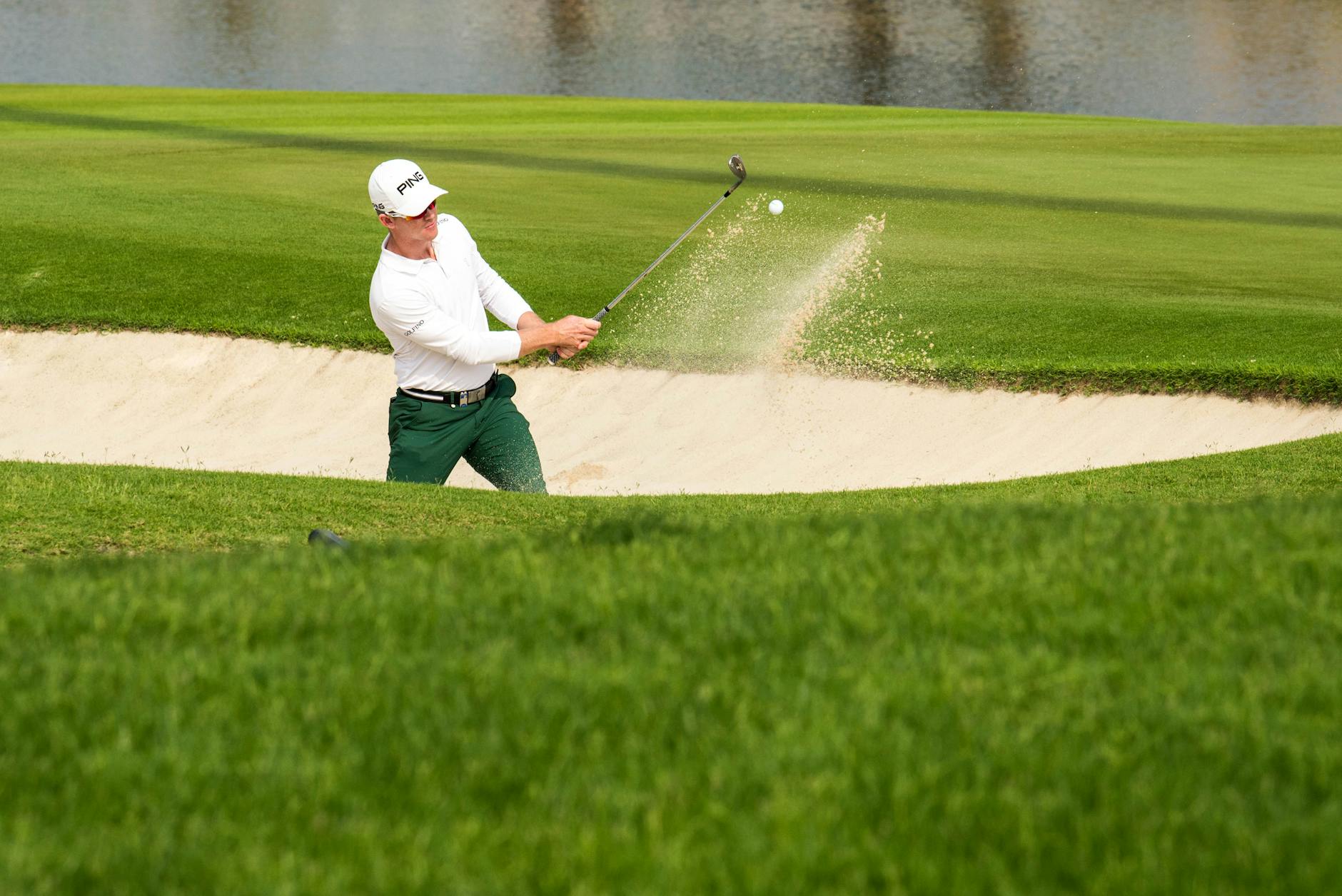
Players using high-density ball constructions, such as Attomax's amorphous metal technology, often report more consistent performance in windy conditions. The increased mass-to-surface-area ratio helps maintain trajectory stability—a subtle but meaningful advantage when precision matters most.
Form Lines Worth Monitoring
Early-season form can be deceiving, but certain patterns tend to hold predictive value. Players demonstrating strong Strokes Gained: Approach numbers typically maintain that performance across varying course setups. It's the putting and around-the-green statistics that fluctuate most dramatically with surface changes.
The best players don't just adjust to conditions—they anticipate them. The mental shift from West Coast to Florida golf happens before the plane lands.
— Veteran Tour Caddie
Greens in Regulation percentage remains the most stable predictor of success across different venues. Players striking their irons well tend to carry that form forward, while those relying on hot putting streaks face greater variance as conditions change.
The Importance of Course History
Florida's tournament venues feature annually in the schedule, providing extensive course history data. Players with strong track records at specific stops often outperform their current form metrics, suggesting that course-specific knowledge and comfort create tangible advantages.
This historical context proves particularly valuable for fantasy golf enthusiasts and those analyzing betting markets. A player's recent results tell one story; their ten-year history at a particular venue often tells another.
Looking Ahead: The Florida Gauntlet
The upcoming Florida stretch demands versatility. From the TPC Sawgrass island green to the coastal winds at PGA National's Champion Course, players face a gauntlet that exposes weaknesses and rewards complete games.
Mental resilience becomes increasingly important as the schedule intensifies. The Players Championship looms on the horizon, and the positioning battles for major championship exemptions add pressure to every round.
- Course management trumps aggression on Florida's tighter layouts
- Recovery skills from Bermuda rough require specific practice attention
- Wind reading becomes a differentiating skill, not just a survival mechanism
- Putting speed calibration may require mid-week adjustments as greens firm up
The players who emerge from February's schedule with strong FedExCup points will have earned them through adaptability and precision. The bombers who dominated certain West Coast venues may yield ground to the more complete ball-strikers who thrive when fairways narrow and hazards multiply.
Strategic Takeaways for Competitive Amateurs
Observant players can extract applicable lessons from tour professionals' seasonal transitions. The emphasis on course-specific preparation, equipment fine-tuning, and mental readiness translates directly to amateur competition—whether you're preparing for a club championship or a regional amateur event.
Consider your own game's seasonal patterns. Do you perform better on certain grass types? Does your ball flight hold up in wind? The tour's transition period offers a masterclass in adaptation that rewards careful study.
As the Florida swing unfolds, we'll continue tracking the storylines that matter most: form trajectories, equipment choices, and the strategic decisions that separate contenders from the field. The path to Augusta runs through Florida, and the players who navigate it successfully will carry momentum into golf's most anticipated major.
Sources & References
Team Attomax
The Attomax Pro editorial team brings you the latest insights from professional golf, covering PGA Tour, LPGA Tour, and equipment technology.