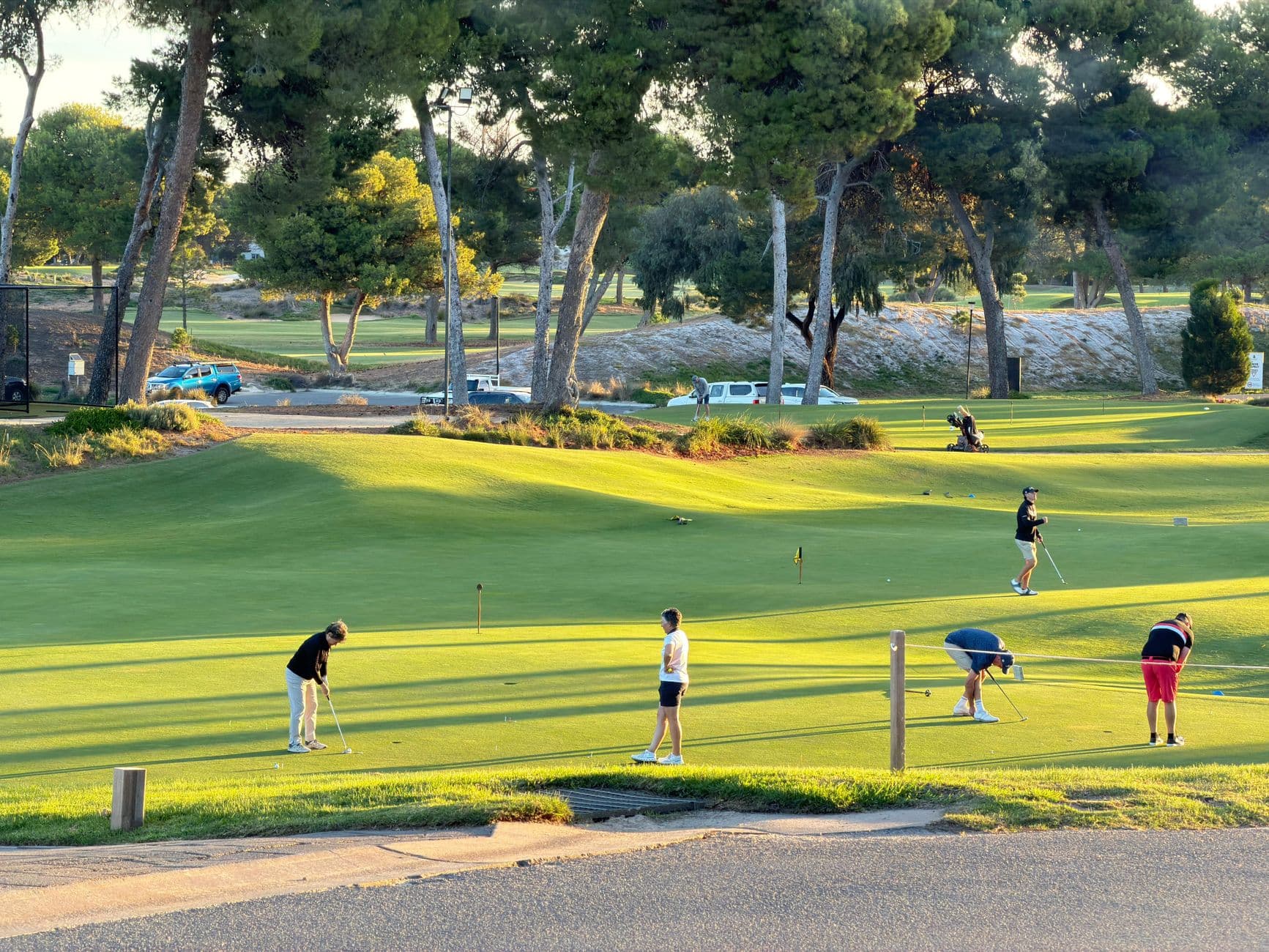
The PGA Tour's 2026 schedule presents a compelling blend of tradition and evolution, with signature events commanding premium fields while the major championships anchor the calendar at some of golf's most storied venues. As we move through February, the season's narrative threads are beginning to weave together, setting the stage for what promises to be a captivating year of professional golf.

This season's structure continues to emphasize elevated events and the race toward the FedEx Cup Playoffs, creating strategic decisions for players navigating their schedules. Understanding the calendar's rhythm isn't merely academic—it's essential for following the competitive storylines and appreciating the ebbs and flows of professional form.
The Signature Event Framework
The Tour's signature events represent the pinnacle of regular-season competition, featuring enhanced purses and restricted fields that guarantee elite matchups. These tournaments demand peak performance, as every stroke carries amplified significance in both prize money and FedEx Cup points.
The strategic calculus for players involves balancing signature event preparation against maintaining competitive sharpness through regular tour stops. Veterans often approach these marquee weeks with meticulous course-specific preparation, while emerging talents view them as proving grounds against the game's elite.
- The Genesis Invitational at Riviera Country Club showcases the Tour's West Coast swing
- The Arnold Palmer Invitational at Bay Hill continues its legacy as a pre-Masters litmus test
- The Players Championship at TPC Sawgrass serves as the unofficial fifth major
- Memorial Tournament at Muirfield Village honors Jack Nicklaus while testing complete games
Major Championship Venues and Their Demands
The four major championships remain the ultimate measuring sticks of greatness, each presenting distinct challenges that reward different skill sets. Course management becomes paramount at these venues, where the margin between triumph and heartbreak often comes down to decision-making under pressure.
Augusta National's annual hosting of the Masters requires precise distance control and an intimate understanding of the course's subtle slopes. The greens at Augusta punish anything less than pristine approach play, making ball flight consistency absolutely critical.

The PGA Championship, U.S. Open, and The Open Championship complete the major rotation, each demanding mastery of different conditions. Links golf at The Open requires trajectory manipulation and creativity around the greens, while U.S. Open setups traditionally emphasize accuracy and mental fortitude through penalizing rough and firm, fast putting surfaces.
Strategic Implications for Equipment Choices
Major championship venues often influence equipment decisions weeks in advance. Players seeking enhanced distance stability in variable conditions may gravitate toward high-density ball constructions that maintain consistent flight patterns regardless of atmospheric changes. The Attomax High-Density lineup, with its amorphous metal core technology, addresses precisely these concerns for players prioritizing wind penetration and spin consistency.
The FedEx Cup Playoff Structure
The season's ultimate climax arrives with the FedEx Cup Playoffs, where accumulated points throughout the year translate into postseason positioning. The playoff format creates a separate competition within the competition, rewarding both sustained excellence and clutch performance when stakes reach their apex.
Understanding point allocations across tournament categories helps explain strategic scheduling decisions. Signature events and majors offer premium points, but consistent performances in regular events build the foundation upon which playoff hopes are constructed.
Every week matters in this format. You can't just show up for the big ones and expect to contend in August.
— PGA Tour veteran on FedEx Cup strategy
Emerging Narratives to Monitor
Several storylines bear watching as the 2026 calendar unfolds. The continued integration of international talent deepens field quality while creating compelling multinational rivalries. Ryder Cup qualification adds another layer of motivation for players seeking team representation.
Equipment evolution continues reshaping competitive dynamics. Players optimizing launch conditions and spin rates through advanced ball technology gain measurable advantages, particularly in challenging weather windows. Shaft technology similarly influences performance, with stiffness profiles and kick points tailored to individual swing characteristics.
- Watch for players peaking their form around major championship windows
- Monitor FedEx Cup standings as playoff positioning takes shape
- Track equipment changes that signal strategic pivots
- Note course condition reports influencing ball selection decisions
Course Management Across the Schedule
The Tour's geographic diversity demands adaptability. Desert courses in the Southwest reward aggressive lines and distance advantages, while coastal venues introduce wind variables that shift strategy toward controlled ball flights and conservative targets.
Parkland courses like those hosting several signature events test accuracy and shot shaping, requiring players to work the ball both directions on command. These setups often favor precision over raw power, creating opportunities for tactical players to outmaneuver bombers.
As the 2026 season progresses, the schedule's rhythm will reveal which players have calibrated their games for sustained excellence versus those peaking for specific windows. The calendar rewards both consistency and strategic intelligence—qualities that separate champions from contenders in professional golf's most demanding environment.
Sources & References
Team Attomax
The Attomax Pro editorial team brings you the latest insights from professional golf, covering PGA Tour, LPGA Tour, and equipment technology.