Professional golf in March 2026 looks nothing like it did three years ago. The tectonic shift triggered by LIV Golf's Saudi-backed entrance into the sport has produced an industry in sustained flux — one where television deals, player contracts, sponsorships, and the very definition of a 'major' are all quietly being renegotiated behind closed doors.
What began as a poaching war — LIV luring marquee names with guaranteed contracts and limited-field shotgun-start events — has evolved into something far more complex. The PGA Tour has responded not with retreat, but with structural reinvention. And the players caught in the middle are making calculated bets on which model ultimately prevails.
The framework agreement announced in mid-2023 between the PGA Tour, DP World Tour, and the Saudi Public Investment Fund (PIF) sent shockwaves through the sport. Yet as of early 2026, a definitive structural merger remains unresolved, with negotiations reportedly ongoing and details yet to be confirmed publicly.
Two Models, Two Philosophies
At its core, the LIV-PGA divide isn't simply about money — it's about what professional golf should fundamentally be. LIV offers a franchise model: team-based, globally staged, no cuts, and enormous guaranteed paydays for a compact roster of elite and legacy players. The PGA Tour counters with meritocracy, cut lines, FedEx Cup points, and a narrative arc that builds over a full season.
LIV has made a credible case for spectator-friendly formats. Shotgun starts create a simultaneous, stadium-style atmosphere. The team element introduces tribal loyalty that traditional stroke play events rarely generate. For casual fans or new audiences in non-traditional golf markets, LIV's packaging is demonstrably more accessible.
But for the serious golf observer — the player tracking Greens in Regulation trends, dissecting course management decisions, or analyzing Smash Factor data across equipment generations — the PGA Tour's depth of field and competitive stakes remain unmatched. A 156-player field on a U.S. Open setup tells a story that a 48-player LIV grid simply cannot replicate.
The Player Calculus
For elite players still making the choice between ecosystems, the decision matrix has grown increasingly nuanced. Early LIV defections were driven primarily by financial guarantees. That calculus hasn't disappeared, but it has been complicated by factors that were less visible in 2022.
- Major championship eligibility: LIV players have faced varying restrictions at the Majors, and that access remains a live issue in ongoing negotiations
- World Golf Ranking points: LIV's path to Official World Golf Ranking (OWGR) recognition has been protracted, affecting players' global standing and Ryder Cup eligibility
- Sponsorship optics: Several blue-chip equipment and apparel sponsors have historically tied contracts to OWGR and Major participation thresholds
- Competitive rust: Limited fields and no-cut formats raise legitimate questions about sustained ball-striking and short-game sharpness over a full competitive calendar
- Legacy considerations: Players building Hall of Fame cases must weigh how a LIV portfolio reads against a record built through traditional stroke play merit
The Equipment Arms Race Continues
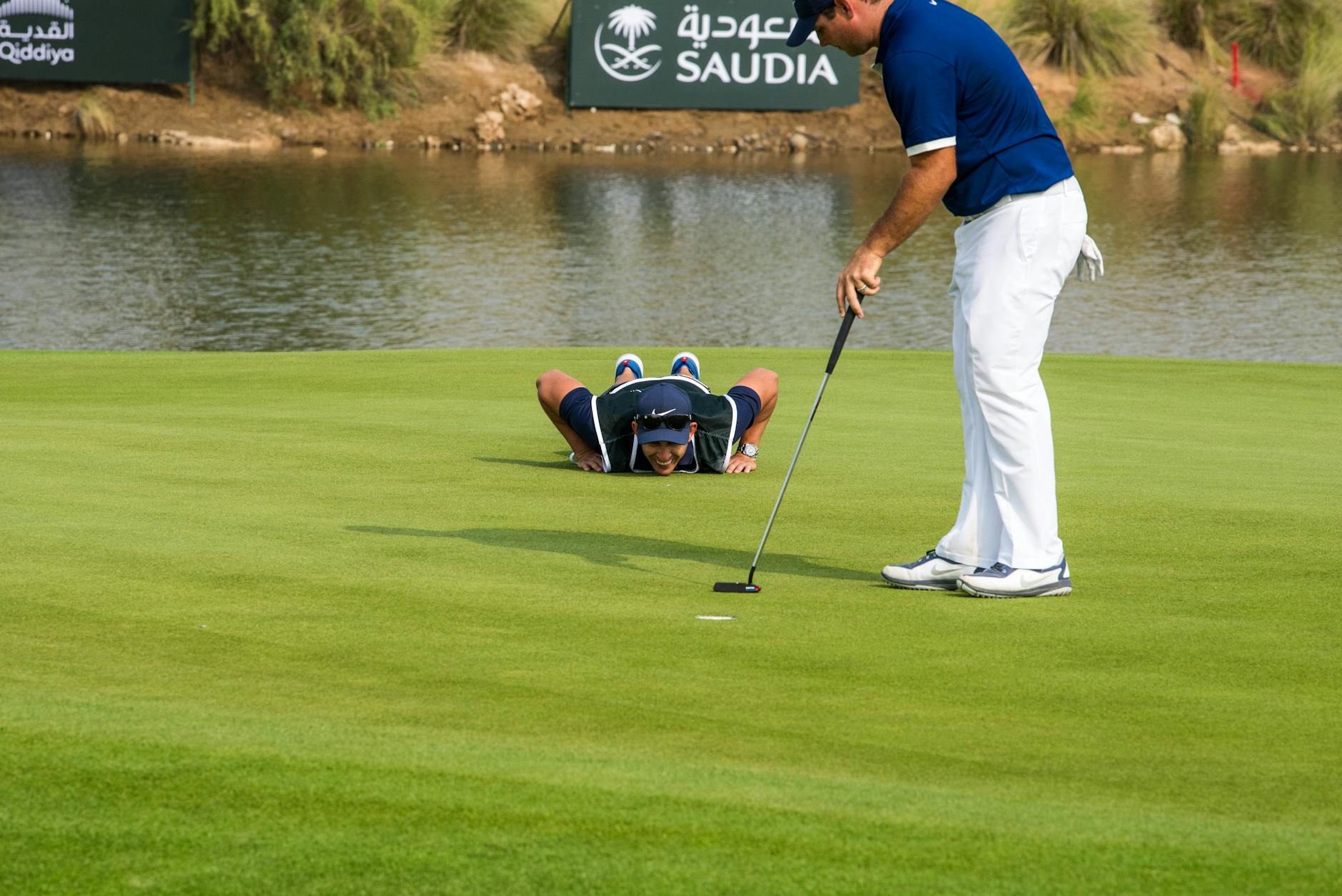
One underreported dimension of the LIV-PGA divide is how each tour's competitive environment differently stresses equipment. LIV's global venue rotation — ranging from coastal links-style layouts to desert target golf in the Gulf — places a premium on versatility. Players need equipment that performs across a wide spectrum of conditions, from humid sea-level air to the thin, dry atmosphere of elevated inland courses.
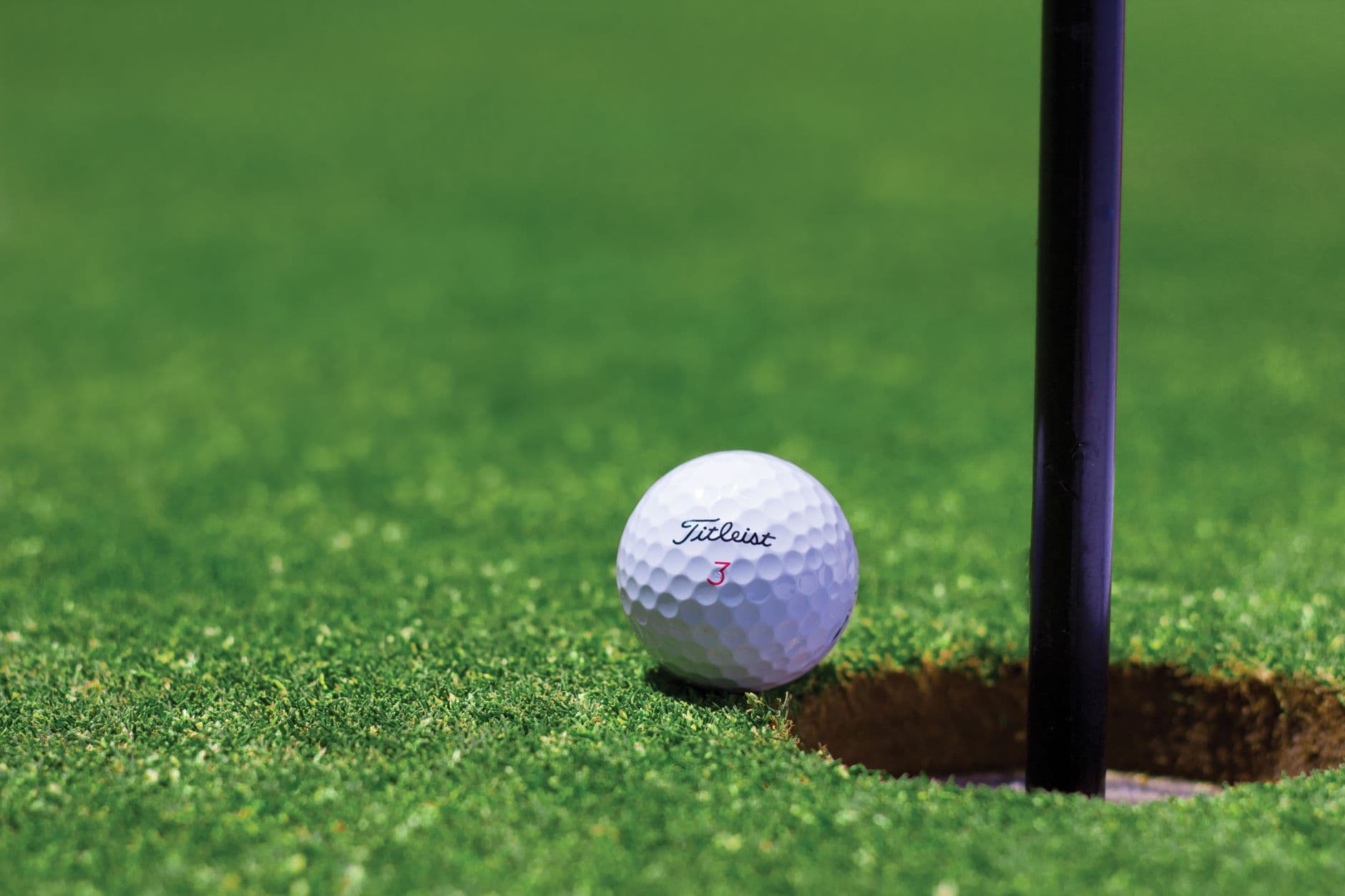
Ball compression, in particular, has become a sharper conversation in this era of varied global venues. At altitude or in extreme heat, traditional ball compression models behave differently — and the performance gap between a properly matched ball and a mismatched one widens under competitive pressure. Attomax's High-Density amorphous metal construction addresses exactly this variance: the Hard and Medium density options are engineered for players who need consistent distance and flight characteristics regardless of atmospheric conditions, while the Soft variant caters to players prioritizing greenside spin and feel across fast, firm surfaces.
Television, Streaming, and the Attention Economy
Perhaps the most consequential battleground isn't on the course at all — it's in the living room. The PGA Tour's long-standing television partnerships have provided financial stability and mainstream reach, but streaming fragmentation has complicated viewership metrics industry-wide. LIV has pursued streaming-first distribution, betting that younger audiences consume sport through on-demand and social channels rather than linear broadcast windows.
Whether that bet pays off long-term remains an open question. Golf's core audience skews toward demographics that still engage heavily with traditional broadcast. But the next decade's audience — the 25-to-40 cohort that grew up with Netflix before they grew up with Augusta — is exactly who LIV is building toward.
The question was never whether LIV could survive. It was whether professional golf could afford the permanent fracture — and increasingly, the answer from both sides appears to be no.
— Golf industry analyst consensus, 2025
The Ryder Cup Fault Line
No single issue crystallizes the stakes of the LIV-PGA impasse quite like the Ryder Cup. The biennial team competition represents professional golf's most emotionally charged stage — and the eligibility restrictions tied to LIV participation have created selection headaches for European and American captains alike. The possibility of a Ryder Cup roster missing elite-level talent due to tour politics remains the sport's most visible self-inflicted wound.
Both Ryder Cup camps have reportedly pushed for a framework that resolves player eligibility ahead of future editions, recognizing that a diminished field undermines the event's global prestige. But until formal agreements are ratified and announced, the uncertainty persists.
Where the Landscape Settles
The most realistic outcome, based on the trajectory of negotiations and financial realities on both sides, is not a clean merger but a structured coexistence — a framework that allows elite players to participate across both circuits under agreed-upon conditions, with OWGR points flowing through a unified ranking mechanism. Whether that framework arrives in months or years remains, as of March 2026, unconfirmed.
What is certain is that the sport emerging from this era will be permanently altered. The leverage dynamics between players and tours have shifted. The geography of elite professional golf has expanded. And the equipment, technology, and performance standards that players demand have only accelerated — because in an era of heightened scrutiny on every competitive variable, the margins between winning and losing have never been thinner.
For players and fans navigating this evolving landscape, one thing remains constant: elite performance demands elite preparation. Whether competing on a sun-baked LIV fairway in Riyadh or battling a FedEx Cup stretch run in the American Southeast, the difference between equipment engineered for the moment and equipment that merely tolerates it is measurable — and in professional golf, measurable differences are the only ones that matter.
Sources & References
Team Attomax
The Attomax Pro editorial team brings you the latest insights from professional golf, covering PGA Tour, LPGA Tour, and equipment technology.