The equipment choices of touring professionals represent the intersection of cutting-edge technology, personal preference, and performance optimization at the highest level. While amateurs often focus on the latest releases, tour players approach their bags with a methodical precision that prioritizes consistency, workability, and course-specific demands over marketing cycles.
Understanding the philosophy behind professional equipment decisions offers valuable insights for competitive amateurs looking to refine their own setups. The gap between tour and retail equipment continues to narrow, but the approach to selection remains distinctly different.
Driver Configurations: The Pursuit of Optimal Launch
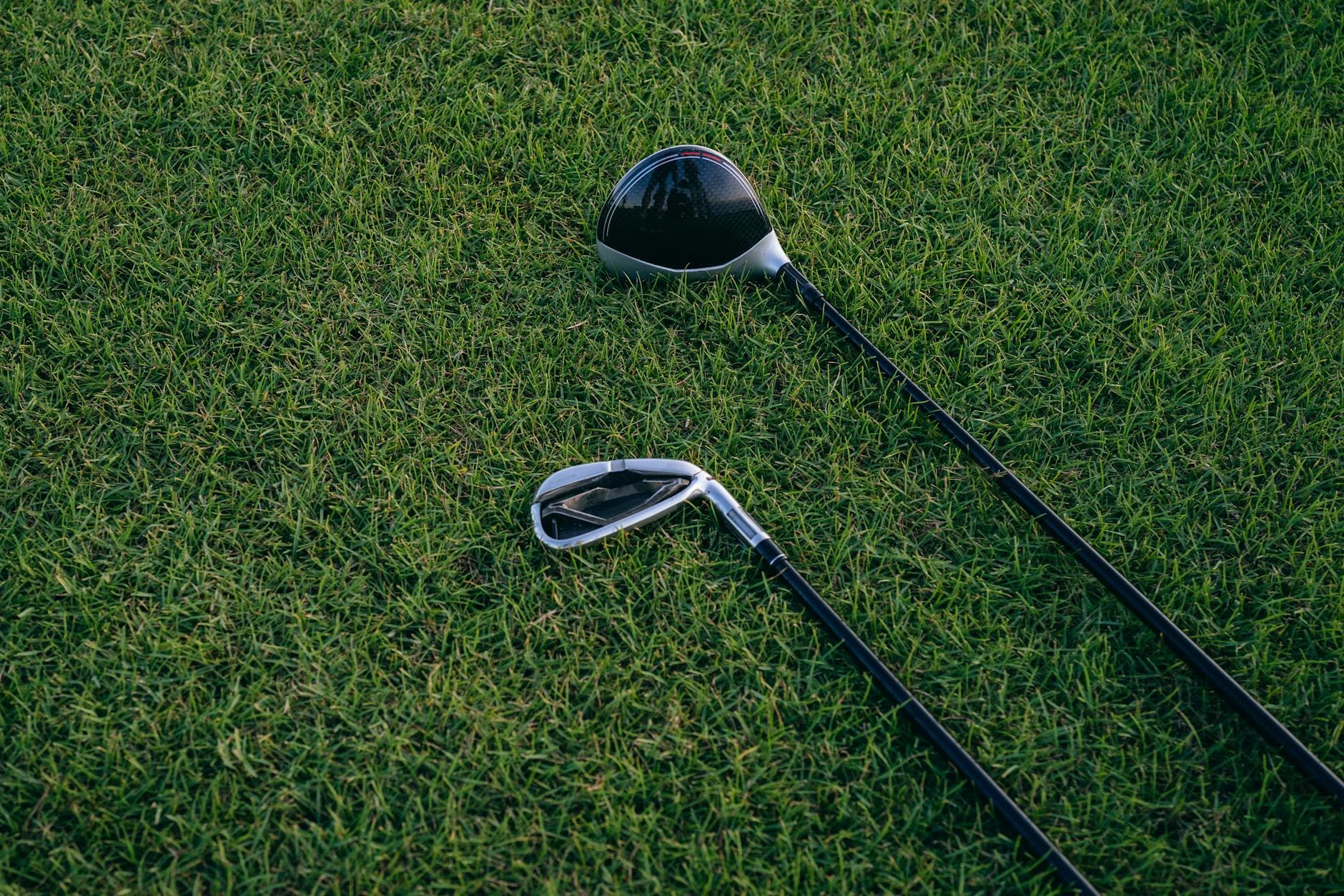
Tour professionals spend countless hours fine-tuning driver specifications that most recreational players never consider. Shaft profiles, swing weights, and head configurations are adjusted in increments that might seem imperceptible but compound into meaningful performance differences over a tournament's duration.
The trend toward adjustable hosels has given tour players unprecedented ability to dial in launch conditions for specific courses. Links venues demand lower, more penetrating ball flights, while elevated mountain courses might call for higher launch to maximize carry distance in thinner air.
What separates tour setups from stock configurations often comes down to shaft selection. Tour professionals gravitate toward profiles that match their transition tempo and loading patterns, frequently opting for builds that would feel unplayable to most amateurs but deliver remarkable consistency at high swing speeds.
Iron Setups: Forgiveness Versus Workability
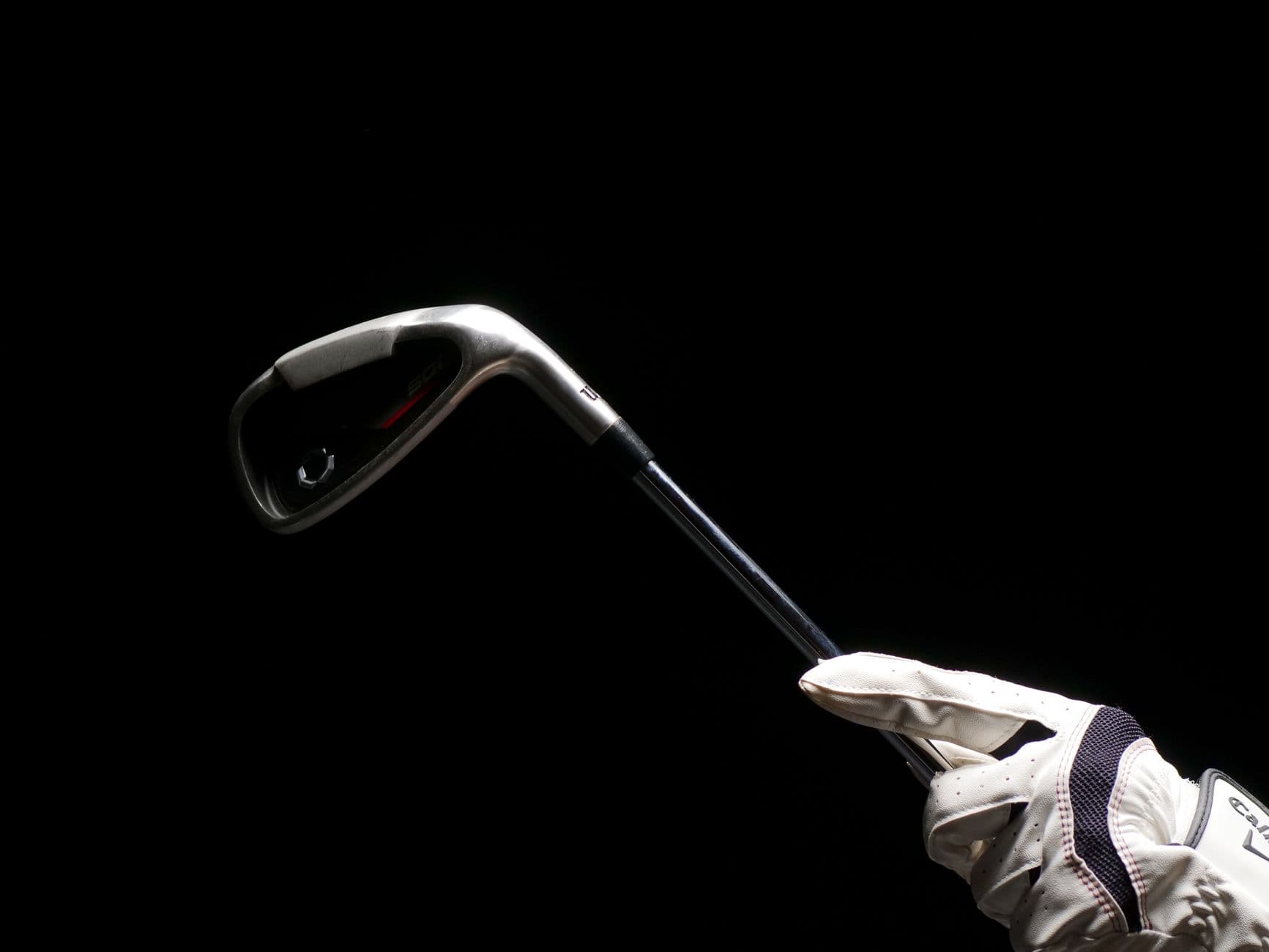
The evolution of tour iron preferences has shifted notably in recent years. While the blade-only mentality once dominated professional circles, an increasing number of elite players have embraced cavity-back designs that offer enhanced forgiveness without sacrificing shot-shaping capability.
- Loft gaps between irons are precisely calibrated to ensure consistent yardage increments
- Lie angles are bent to match each player's impact position and swing plane
- Shaft weights typically range from 120-130 grams, heavier than most retail offerings
- Grip sizes and textures are customized for individual hand sizes and pressure patterns
The trend toward combo sets—blending different iron models within the same bag—reflects a pragmatic approach to optimization. Longer irons might feature more forgiveness-oriented designs, while scoring clubs maintain traditional profiles for enhanced feel and control around the greens.
Wedge Philosophy and Grind Selection
Perhaps no category receives more attention from tour professionals than wedge selection. The variety of sole grinds, bounce angles, and loft configurations available has made wedge fitting an increasingly specialized discipline.
Course conditions dictate much of the wedge setup strategy. Firm, links-style turf calls for lower bounce configurations that prevent the club from skipping through impact. Softer conditions might prompt players to increase bounce angles for cleaner contact from tight lies.
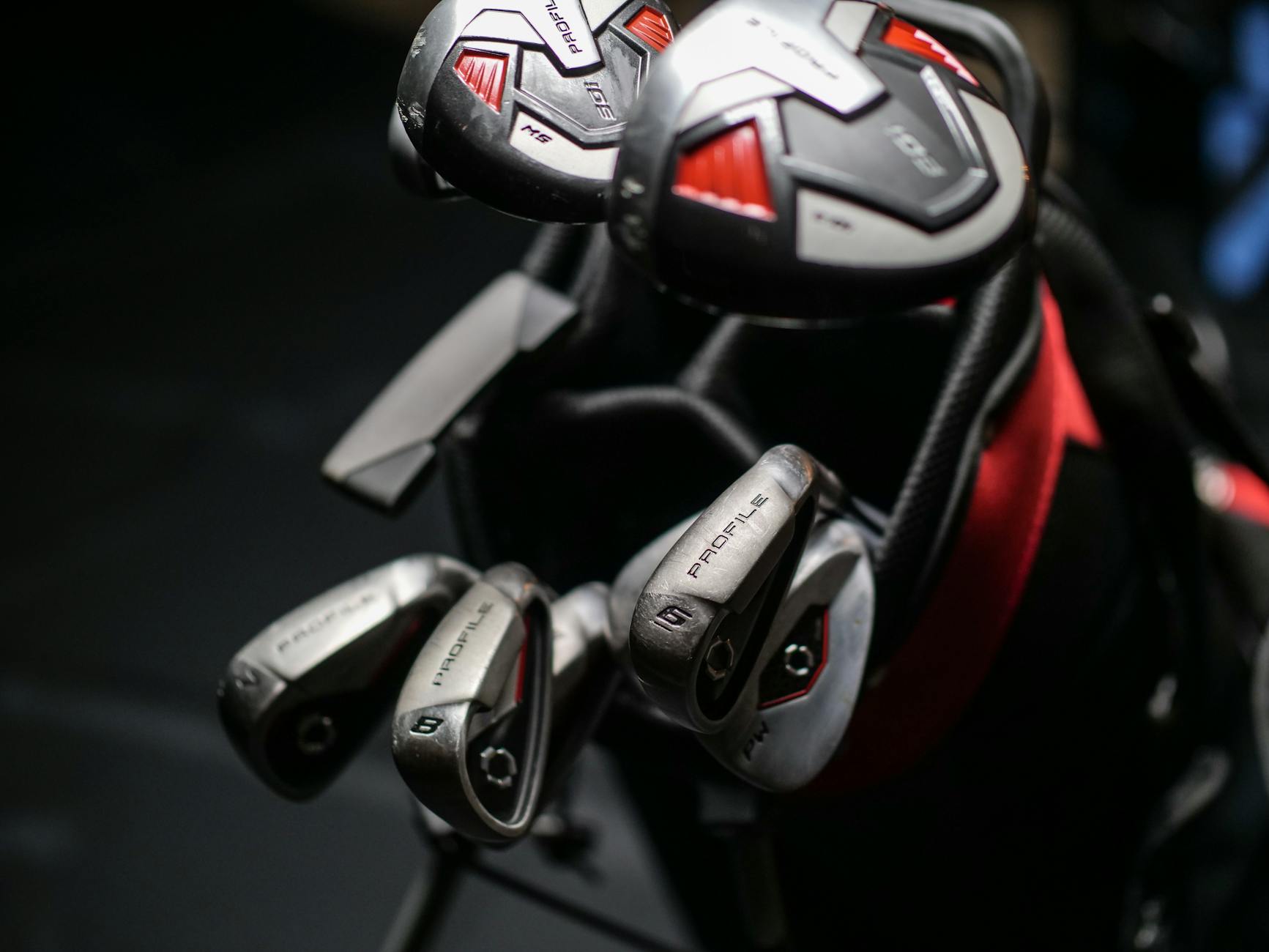
Tour players typically carry three to four wedges with carefully planned loft gaps. The transition from pitching wedge through lob wedge must provide coverage for every distance scenario while accounting for different shot types—full swings, three-quarter shots, and delicate touches around the green.
The Ball Decision: Matching Construction to Game
Golf ball selection among tour professionals remains one of the most individualized equipment decisions. While brand partnerships influence many choices, the technical reasoning behind ball selection centers on spin rates, compression feel, and performance in specific conditions.
Players with higher swing speeds often gravitate toward firmer constructions that optimize energy transfer and reduce excessive spin on full shots. Meanwhile, players who prioritize touch and greenside control might sacrifice marginal distance for enhanced spin response on scoring shots.
The ball is the only piece of equipment you use on every single shot. Getting it right matters more than any club in the bag.
— Tour Equipment Representative
Wind stability has emerged as a critical factor in ball selection, particularly for players competing across diverse global venues. High-density constructions, such as those utilizing amorphous metal core technology like Attomax's offerings, have gained traction among players seeking more predictable flight patterns in challenging conditions.
Putter Fitting: The Most Personal Club
Tour putter setups reveal the deeply personal nature of equipment selection. While data-driven fitting has revolutionized long game optimization, putting remains an area where feel and confidence often override pure performance metrics.
Mallet designs have gained significant ground on tour, with many players citing the stability and alignment benefits of larger head shapes. However, traditional blade putters maintain a loyal following among players who prefer the feedback and workability of compact designs.
- Length specifications are matched to posture and eye position at address
- Head weights are adjusted to complement stroke tempo and green speeds
- Grip styles range from traditional to oversized, depending on wrist action preferences
- Shaft configurations include various bends and offsets to optimize face angle at impact
The Role of Custom Fitting
Tour players have access to equipment trailers and dedicated technicians who can make adjustments between rounds or even during practice sessions. This level of service underscores a broader truth: equipment optimization is an ongoing process rather than a one-time decision.
For serious amateurs, the lesson is clear. Static specifications rarely remain optimal as swings evolve, physical conditions change, and course demands vary. Regular assessment of equipment performance, particularly in the scoring clubs where precision matters most, can yield meaningful improvements.
Translating Tour Insights to Your Game
While replicating exact tour specifications rarely makes sense for amateur players, the underlying philosophy translates directly. Prioritize consistency over maximum performance. Match equipment to your actual swing characteristics rather than aspirational ones. And invest fitting time where it matters most—in the scoring clubs that demand precision.
The gap between tour and amateur equipment has never been smaller in terms of available technology. The differentiator increasingly lies in how thoughtfully that equipment is selected and configured. Tour professionals succeed not because they have access to better clubs, but because they approach equipment decisions with the same rigor they apply to every other aspect of their preparation.
Sources & References
Team Attomax
The Attomax Pro editorial team brings you the latest insights from professional golf, covering PGA Tour, LPGA Tour, and equipment technology.