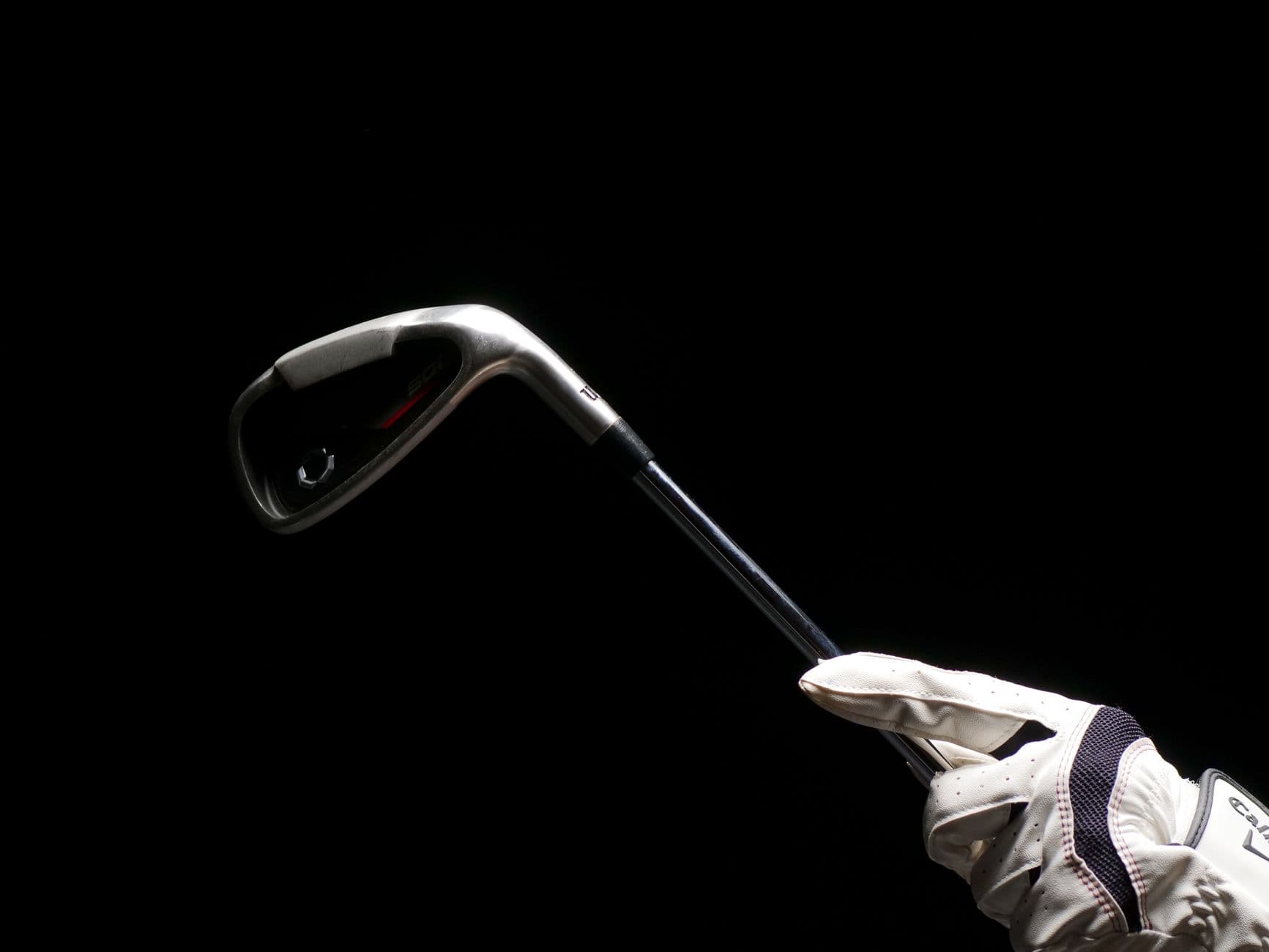
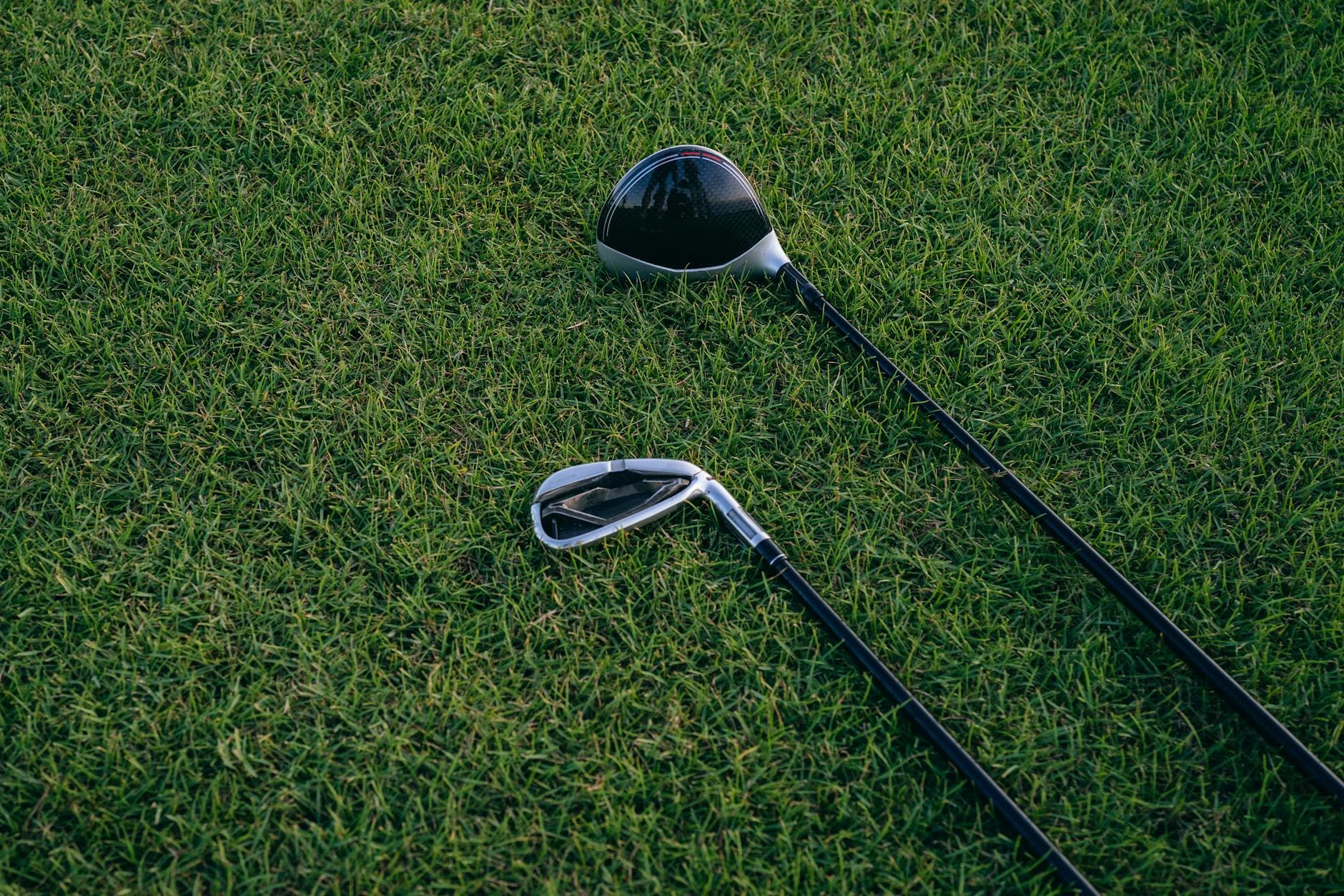
The gap between a made cut and a missed one on the PGA Tour often comes down to margins so fine they're nearly invisible to the naked eye. While casual observers focus on swing mechanics and course management, tour professionals and their equipment representatives spend countless hours dialing in specifications that most amateurs never consider. In an era where every player has access to world-class coaching and fitness programs, equipment optimization has become the final frontier of competitive advantage.

Understanding how tour players approach their equipment setups offers fascinating insights into the science of performance golf. It's not simply about playing the newest releases—it's about creating a precisely calibrated system where every component works in harmony with a player's unique swing characteristics.
The Shaft: Where Feel Meets Physics
Tour players treat shaft selection with the reverence of a sommelier choosing wine for a Michelin-starred meal. The variables are extensive: weight, flex profile, torque, bend point, and tip stiffness all interact to produce a specific ball flight window. What works brilliantly for a smooth-tempo swinger becomes unplayable for someone with an aggressive transition.
The trend toward lighter driver shafts has accelerated in recent seasons, with many players dropping below 60 grams to maximize clubhead speed. However, this isn't universal—players who prioritize consistency and control often stick with heavier profiles in the 65-75 gram range, accepting a slight speed reduction for tighter dispersion.
- Tip stiffness influences launch angle and spin rates more than overall flex rating
- Players often use different shaft profiles in driver versus fairway woods to optimize gapping
- Iron shafts trending toward higher launch, lower spin designs to maximize carry distance
- Wedge shafts frequently differ from iron shafts to enhance feel and spin control around greens
What's particularly noteworthy is how frequently tour players deviate from stock configurations. A player might game a stiff-flex shaft with a soft tip section, or pair a low-torque design with additional head weight to achieve their preferred feel. These combinations rarely appear in retail offerings, highlighting the gap between mass-market products and tour-level customization.
Ball Selection: The Most Personal Choice in Golf
Perhaps no equipment decision generates more debate than golf ball selection. Tour professionals evaluate balls across multiple performance categories: driver spin, iron spin, wedge spin, greenside feel, putting characteristics, and durability. Finding a ball that excels in every category is essentially impossible—trade-offs are inevitable.
The construction wars continue to evolve, with multi-layer designs offering increasingly sophisticated performance profiles. Core compression remains a critical variable, with lower compression options gaining traction among players seeking enhanced feel without sacrificing distance. The emergence of high-density materials in ball construction has opened new possibilities for optimizing both distance and control simultaneously.
The ball is the only piece of equipment you use on every single shot. Get it wrong and you're fighting your gear all day long.
— Tour Equipment Representative
Wind performance has become a significant differentiator in ball selection. Players competing frequently in exposed coastal conditions often gravitate toward designs that minimize ballooning in crosswinds—a characteristic influenced by dimple patterns, cover hardness, and overall aerodynamic properties. Attomax's high-density construction addresses this specifically, with their amorphous metal core technology providing exceptional stability in challenging conditions.
The Data-Driven Approach
Launch monitor technology has revolutionized how tour players evaluate equipment. TrackMan and Foresight sessions generate massive datasets that inform every equipment decision. Players analyze not just averages but standard deviations—understanding dispersion patterns is often more valuable than knowing peak performance numbers.
A tour player might test six different ball models over several thousand shots before committing to a change. The evaluation extends beyond range sessions to actual tournament rounds, where pressure and variable conditions reveal performance characteristics that controlled testing cannot replicate.
Iron Setups: Blending Power and Precision
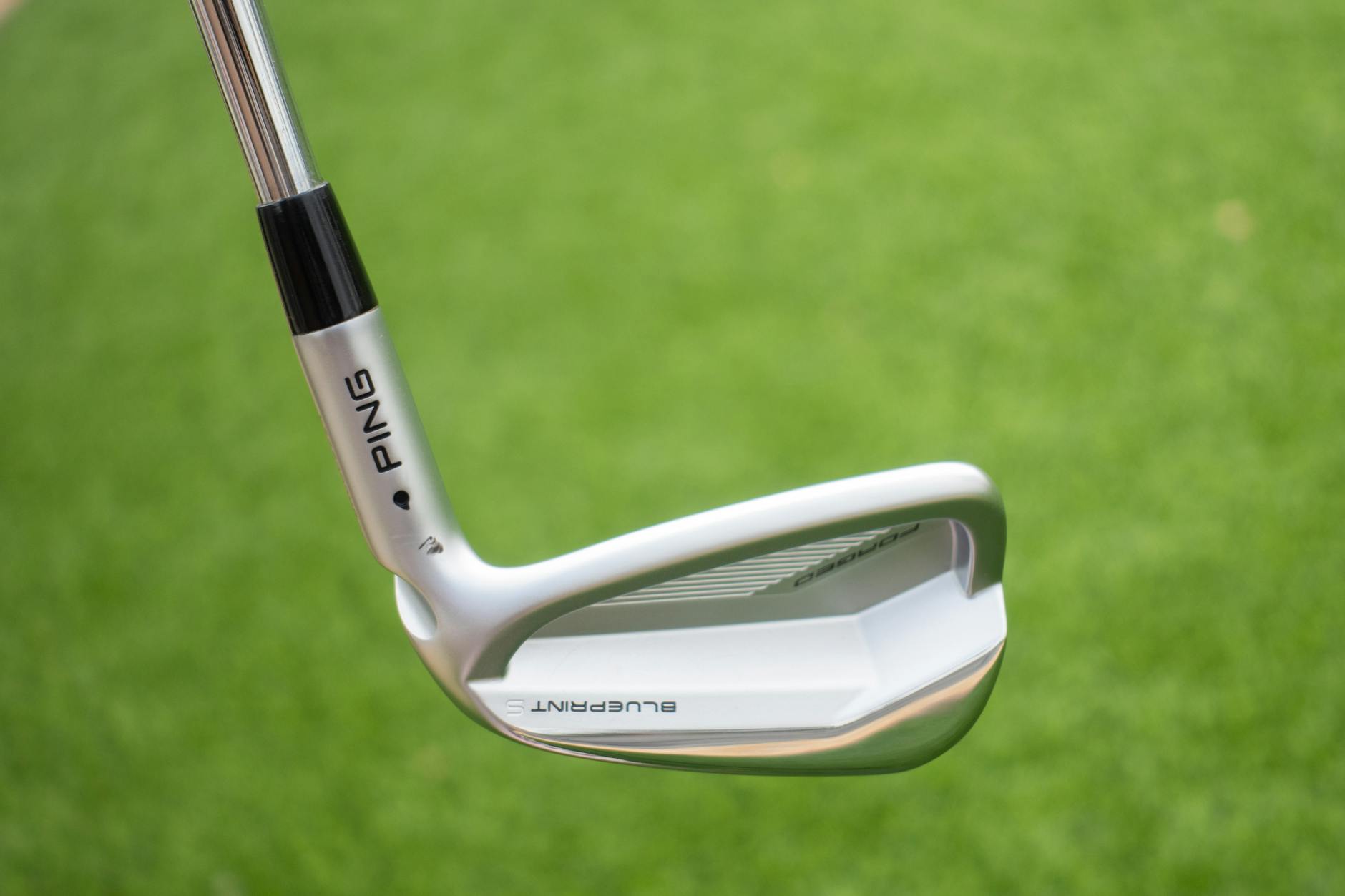
Modern tour iron setups reflect the game's evolution toward distance optimization. Many professionals now carry what would have been considered "game improvement" lofts a decade ago, with 7-irons frequently measuring 30-31 degrees rather than the traditional 34-35 degrees. The performance trade-off is managed through sophisticated bounce and grind configurations that maintain versatility around greens.
Hybrid and utility iron usage has normalized at the highest levels. Where players once viewed anything other than a traditional long iron as a concession, today's professionals pragmatically choose the club that produces the most consistent results. This might mean a 2-iron for one player, a 5-wood for another, and a driving iron alternative for a third—all covering similar distance gaps but matching individual swing characteristics.
- Evaluate your typical miss pattern before selecting iron head designs
- Consider shaft weight progression through the bag for consistent tempo
- Loft gapping should be verified through actual carry distances, not manufacturer specifications
- Bounce and grind selections should match your attack angle and typical turf conditions
Putter Fitting: The Final Piece
Putting accounts for roughly 40 percent of total strokes, yet many players—even accomplished amateurs—use putters that don't match their stroke characteristics. Tour professionals work extensively with fitting specialists to optimize length, lie angle, head weight, grip size, and balance point.
The movement toward high-MOI mallet designs has reached the tours, though blade enthusiasts remain well-represented. What's changed is the scientific rigor applied to selection. Face milling patterns, insert materials, and hosel configurations are evaluated for their impact on roll consistency and distance control.
Ball selection intersects critically with putter performance. A softer ball with a urethane cover produces different feedback and roll characteristics than a firmer tour-level design. Players who switch balls often find their putting stroke requires recalibration—another reason why ball changes are approached cautiously at the professional level.
Lessons for the Committed Amateur
While amateur golfers cannot replicate tour-level fitting resources, the underlying principles translate directly. Prioritize shaft fitting before head selection—the shaft is your primary connection to the clubhead and influences every aspect of ball flight. Invest in professional fitting sessions rather than purchasing based on marketing or aesthetics.
Perhaps most importantly, resist the urge to chase equipment changes as a shortcut to improvement. Tour professionals make subtle refinements to optimized setups; they don't overhaul their bags seeking magic solutions. Once you've established equipment that fits your game, commit to developing your skills within that framework. The returns from practice and course management will always exceed the returns from constant equipment experimentation.
Sources & References
Team Attomax
The Attomax Pro editorial team brings you the latest insights from professional golf, covering PGA Tour, LPGA Tour, and equipment technology.