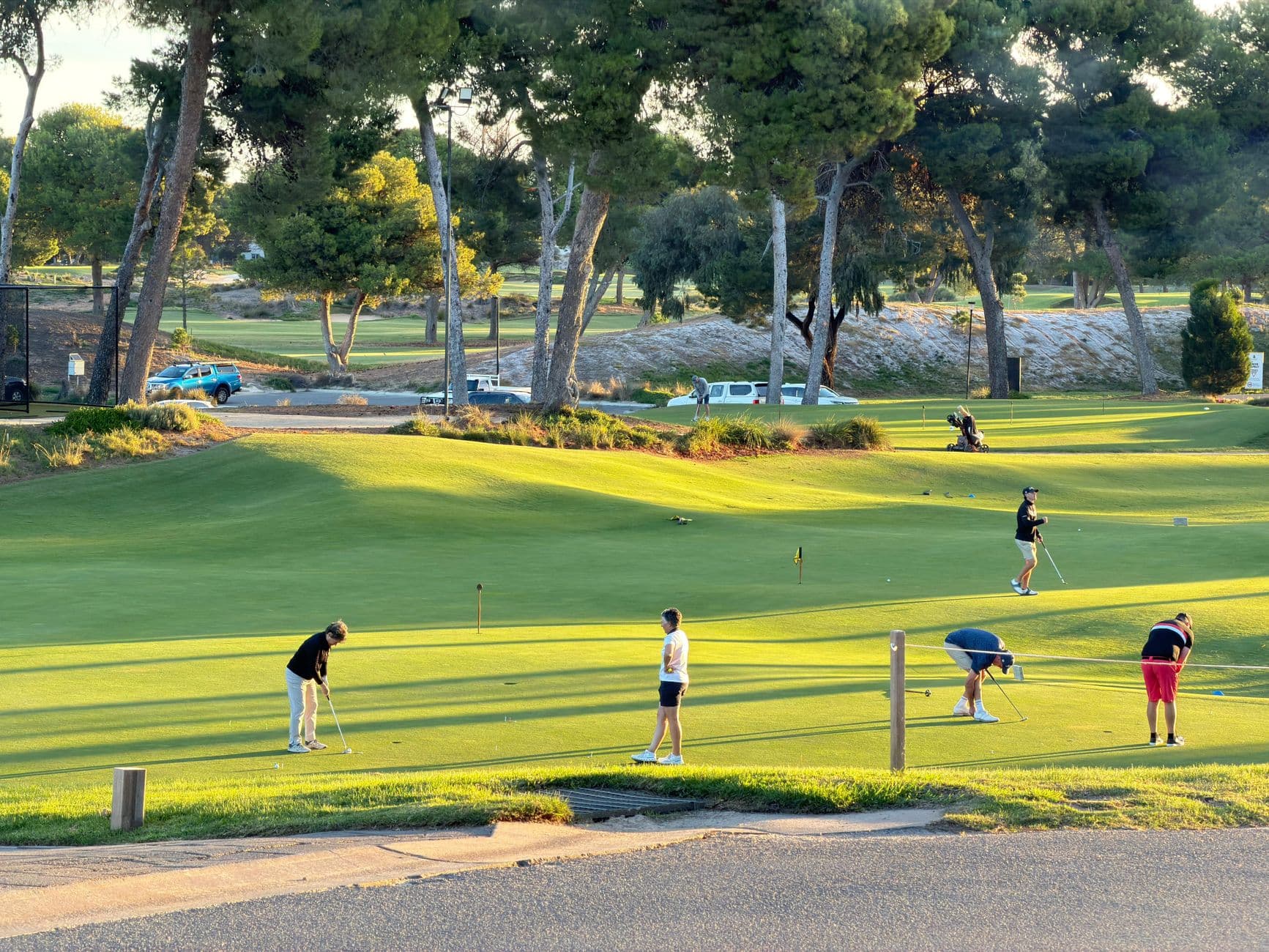
There exists a rarefied tier of American golf where membership waitlists span decades, initiation fees rival luxury real estate down payments, and the courses themselves represent the absolute pinnacle of design philosophy. These institutions don't merely host golf—they curate experiences that have shaped the game's evolution for over a century.
What elevates a hole from memorable to legendary? It's the convergence of strategic complexity, visual drama, and historical significance. The signature holes at America's elite private clubs embody all three, demanding precision under pressure while rewarding intelligent course management.
Augusta National Golf Club: Where Legends Are Made and Broken
No discussion of American golf's holy ground begins anywhere but Augusta, Georgia. The club founded by Bobby Jones and Clifford Roberts in 1933 has become synonymous with excellence, its azalea-lined fairways serving as the backdrop for the Masters Tournament each April.
The 12th hole at Amen Corner stands as perhaps the most psychologically demanding par-3 in competitive golf. At approximately 155 yards, the distance appears manageable—until players factor in the swirling winds that funnel through the Georgia pines, creating conditions that can shift dramatically between club selection and execution.
Rae's Creek guards the front of the shallow green, while bunkers protect the rear. The putting surface itself slopes severely from back to front, meaning any approach that lands long faces a treacherous two-putt situation. Champions have been crowned and crushed on this deceptively simple-looking hole.
Cypress Point Club: The Sistine Chapel of Golf Architecture
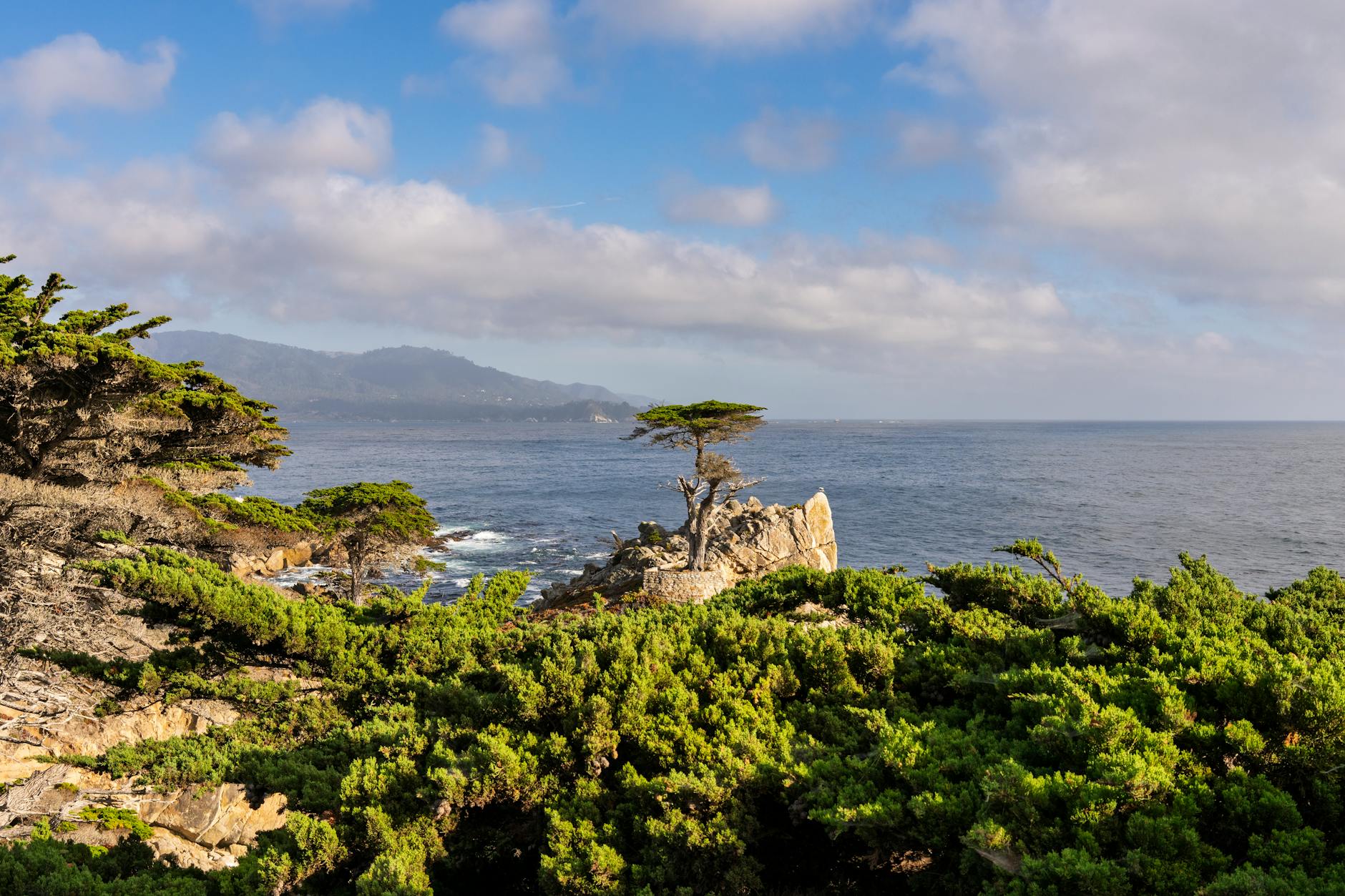
Perched along the Monterey Peninsula's rugged coastline, Cypress Point represents Alister MacKenzie's masterwork—a course so visually stunning that photographs fail to capture its grandeur. The club's exclusivity is legendary, with membership reportedly limited to approximately 250 individuals.
The 16th hole defines Cypress Point's reputation. This par-3 demands a carry of over 200 yards across the churning Pacific Ocean to a green protected by ice plant and rocky outcrops. When the wind howls off the water, even tour professionals have been known to lay up to the fairway left of the green.
If I were condemned to play only one course for the rest of my life, I would choose Cypress Point.
— Ben Hogan
The strategic decision presented here epitomizes risk-reward architecture. A perfectly struck long iron yields birdie opportunities, while miscalculation results in balls swallowed by the Pacific or lies so precarious that bogey becomes optimistic.
Pine Valley Golf Club: The World's Most Penal Design
Tucked into the New Jersey Pine Barrens, Pine Valley has long been considered among the most difficult courses on the planet. George Crump's vision, completed after his death by Hugh Wilson, created a layout where every shot demands absolute commitment and precise execution.
The 7th hole exemplifies Pine Valley's unforgiving nature. This par-5 stretches through sandy waste areas that swallow offline approaches, with a green complex that rejects anything but perfect distance control. The psychological pressure begins on the tee and never relents.
What makes Pine Valley's signature holes particularly demanding is the complete absence of rough in the traditional sense. Miss a fairway here, and you're navigating sandy scrub, tangled roots, or native vegetation that makes advancement toward the green a genuine accomplishment.
Shinnecock Hills Golf Club: Links Golf on American Soil
Among the five founding member clubs of the USGA, Shinnecock Hills brings authentic links-style golf to the Hamptons of Long Island. The windswept terrain and firm, fast conditions create a playing experience that demands ground game creativity rarely required at American venues.
The par-4 14th hole captures Shinnecock's essence—a dogleg right that plays directly into the prevailing wind, with a green complex that rejects anything but the most precisely flighted approach. Club selection here often varies by three or four clubs depending on conditions.
- Firm fairways demand running approaches rather than aerial attacks
- Wind typically affects club selection by 2-4 clubs throughout the round
- Fescue rough penalizes wayward shots severely, often requiring sideways recovery
- Green complexes feature subtle undulations that demand local knowledge
Oakmont Country Club: Steel City's Ultimate Test
The Pittsburgh-area institution has hosted more combined USGA championships than any other venue, and its reputation for difficulty is well-earned. The Church Pews bunker complex on the 3rd and 4th holes has become one of golf's most recognizable hazards.
However, it's the 3rd hole that truly defines Oakmont's punishing character. This par-4 features the Church Pews—a massive bunker divided by twelve grass ridges that can trap balls between rows, leaving recovery shots that test both technique and mental fortitude.
The Common Thread: Strategic Brilliance Over Brute Length
What unites these signature holes isn't raw yardage—it's the demand for intelligent decision-making under pressure. Modern equipment has rendered many courses obsolete, but these holes continue to examine the complete golfer.
For the serious player seeking to perform on such demanding stages, equipment consistency becomes paramount. When wind conditions shift by the minute or greens demand precise spin control, the predictability of your equipment can mean the difference between birdie and disaster.
The high-density construction found in premium ball technology, such as Attomax's amorphous metal cores, delivers the wind stability and consistent spin characteristics that these challenging conditions demand. When facing a 200-yard carry over the Pacific or threading approaches through Amen Corner's swirling gusts, equipment variability is the last thing elite players want to consider.
Experiencing the Inaccessible
For most golfers, these courses will remain aspirational—glimpsed only through television broadcasts or coffee table photography books. Yet understanding what makes these holes legendary enriches our appreciation of course architecture and strategic design.
The principles that make Augusta's 12th or Cypress Point's 16th extraordinary apply to courses accessible to all of us: the interplay of risk and reward, the psychological pressure of forced carries, and the satisfaction of executing precisely when the stakes feel highest. These signature holes remind us why we fell in love with this maddening, magnificent game.
Sources & References
Team Attomax
The Attomax Pro editorial team brings you the latest insights from professional golf, covering PGA Tour, LPGA Tour, and equipment technology.