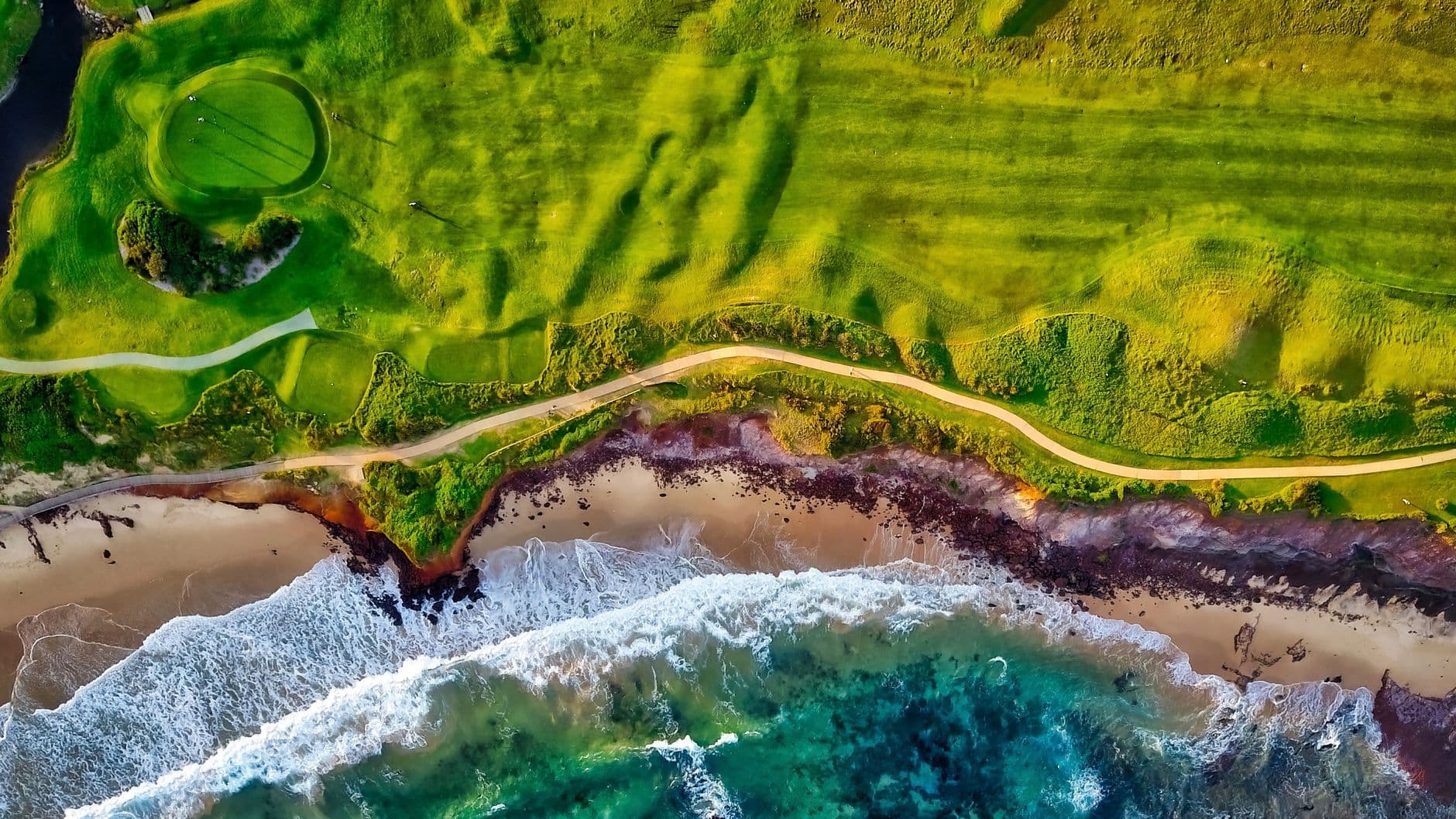
There exists a particular reverence that settles over a golfer when standing on European soil steeped in centuries of golfing heritage. Unlike their American counterparts, many of Europe's most prestigious clubs trace their origins to an era when the game itself was being codified, when hickory shafts were standard and gutta-percha balls rolled across links shaped by nothing more than sheep grazing and North Sea winds.
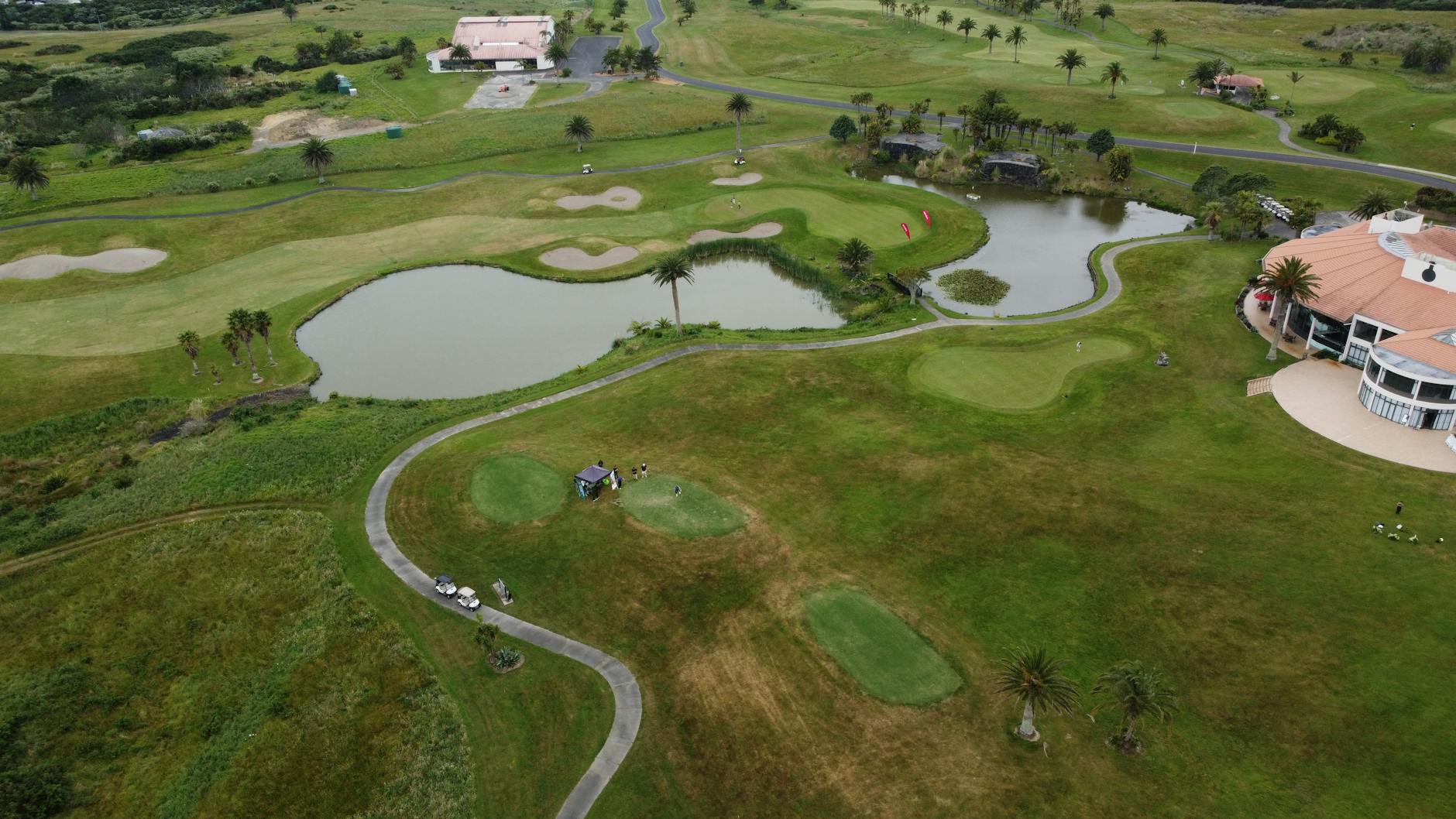
Yet these storied institutions have not remained frozen in amber. The finest European clubs have mastered a delicate alchemy: preserving the traditions that make them irreplaceable while embracing innovations that elevate the modern golf experience. This balance between heritage and progress defines what it means to be a premier European golf destination in 2026.
The Birthplace of Golf: Scotland's Enduring Legacy
Any discussion of European golf tradition must begin at St Andrews, where the Royal and Ancient Golf Club has governed the sport since 1754. The Old Course remains the most celebrated 18 holes on earth, its double greens, hidden bunkers, and strategic demands unchanged across centuries. Walking these fairways connects players to every Open Championship contested here, every legendary shot and heartbreaking miss.
Muirfield, home to The Honourable Company of Edinburgh Golfers—the world's oldest golf club, established in 1744—represents Scottish golf at its most exclusive and exacting. The club's traditional values extend to its meticulously maintained links, where the routing ingeniously changes direction, ensuring golfers face every conceivable wind condition.
- St Andrews Links: Five public courses plus the legendary Old Course, open to visitors through ballot system
- Muirfield: Host to 16 Open Championships, known for its strategic bunkering and fast greens
- Royal Troon: Features the famous Postage Stamp 8th hole, one of the most photographed par-3s in golf
- Carnoustie: Regarded as the toughest Open venue, demanding precision and mental fortitude
What distinguishes Scottish clubs is their accessibility paradox. Despite their prestige, many links courses welcome visitors, believing golf's spiritual home should remain open to those who revere the game. This philosophical approach contrasts sharply with the exclusivity found elsewhere in Europe.
England's Private Sanctuaries
Cross the border into England, and the character of prestigious golf shifts dramatically. Clubs like Sunningdale, Wentworth, and Royal St George's operate with a distinctly different ethos—one where membership carries significant social weight and guest access requires careful navigation of protocols.
Sunningdale's Old Course, designed by Willie Park Jr. and opened in 1901, epitomizes the English heathland style. Unlike Scottish links, these courses carve through pine forests and heather, creating cathedral-like settings where the outside world simply disappears. The club's two courses offer contrasting experiences while maintaining equally rigorous conditioning standards.
To play Sunningdale is to understand why the English fell in love with golf despite lacking coastline links. The heathland created its own magic.
— Golf Historian
Wentworth, now under private ownership, has invested substantially in modernizing its facilities while preserving the Burma Road's legendary difficulty. The West Course remains a DP World Tour venue, bringing professional golf to members' doorsteps annually.
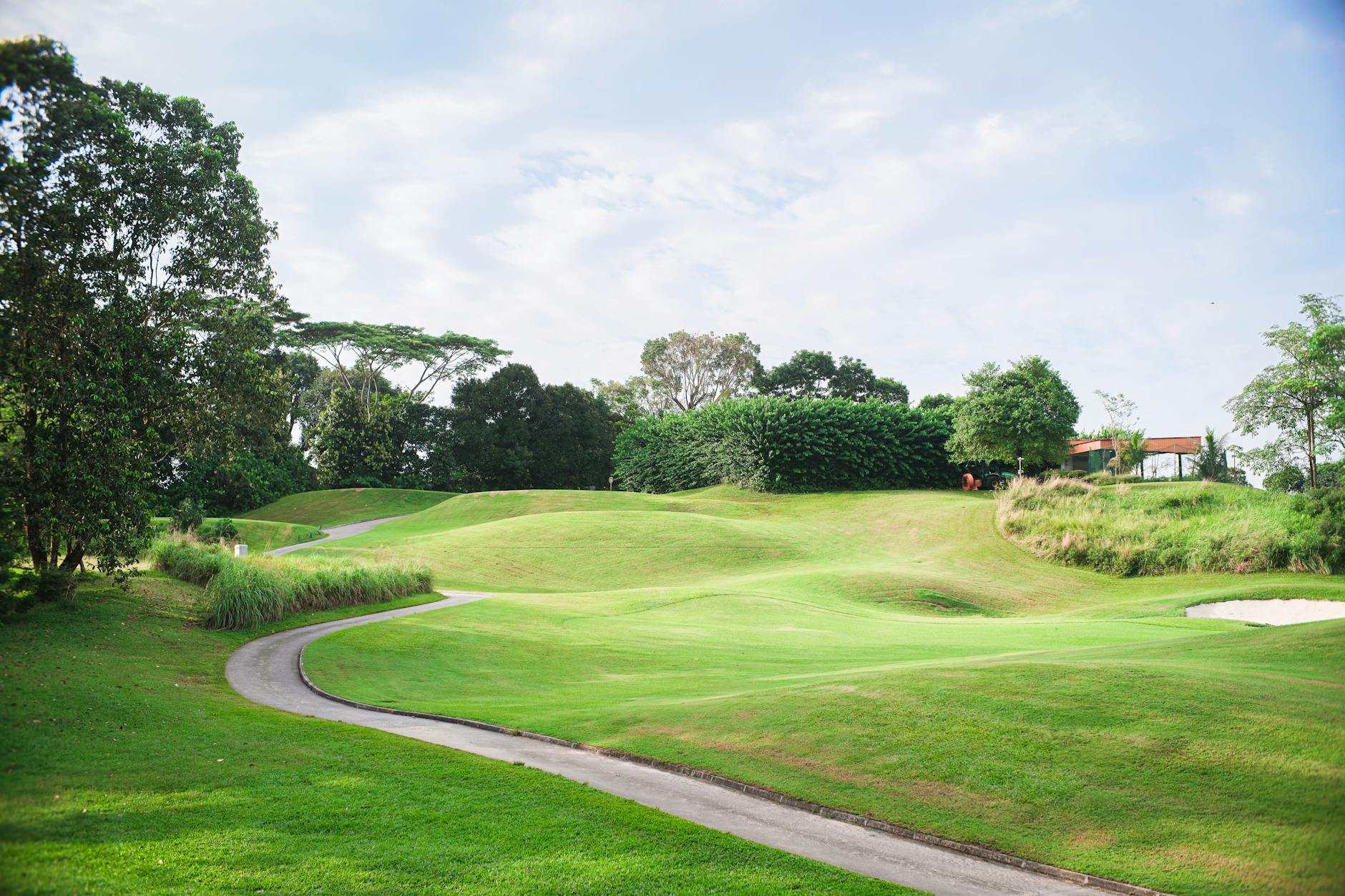
Continental Europe: Where Luxury Knows No Bounds
Beyond the British Isles, European golf takes on an altogether different character. French clubs like Golf de Morfontaine and Le Golf National blend aristocratic elegance with course designs that challenge the world's best players.
Le Golf National, which hosted the 2018 Ryder Cup, represents the modern approach to European championship golf. Its Albatros Course was purpose-built for tournament play, featuring dramatic water hazards and amphitheater viewing areas. Yet the club also maintains the Aigle Course for members seeking a more traditional experience.
Spain and Portugal: The Iberian Golf Renaissance
The Iberian Peninsula has emerged as Europe's premier destination for golf tourism, but several clubs transcend the resort category entirely. Valderrama in southern Spain, site of the 1997 Ryder Cup, maintains conditioning standards that rival Augusta National. The club's commitment to environmental sustainability now matches its dedication to playing quality.
Portugal's Quinta do Lago and Penha Longa represent different approaches to luxury golf. The former sprawls across the Algarve with multiple championship courses, while the latter, nestled in the Sintra Mountains near Lisbon, offers a more intimate experience with its Robert Trent Jones Jr. design winding through UNESCO-protected parkland.
- Valderrama: Impeccable conditioning, strategic cork oak tree placements, hosted multiple European Tour events
- Le Golf National: Purpose-built championship venue with stadium-style spectator areas
- Golf de Morfontaine: Ultra-private French club consistently ranked among Europe's finest
- Marco Simone: Rome's newest championship venue, designed to host major events
The Modern Luxury Experience
Contemporary European clubs have redefined what luxury means for discerning golfers. State-of-the-art practice facilities now feature TrackMan technology and covered bays for year-round improvement. Clubhouses have been thoughtfully renovated to include spa facilities, fine dining, and private accommodation while respecting architectural heritage.
Equipment innovation has not been ignored either. Forward-thinking clubs recognize that today's serious golfer seeks every performance advantage. High-density ball technology, like Attomax Pro's amorphous metal constructions, pairs naturally with precision-fitted shafts to maximize the investment these clubs demand. When green fees approach four figures, leaving strokes on the table due to equipment limitations becomes unacceptable.
The caddie experience at premier European venues deserves particular mention. Unlike the cart-dominant culture elsewhere, walking remains paramount. Knowledgeable caddies provide not just yardage but historical context, pointing out where championships were won and lost, where architectural genius reveals itself most clearly.
Membership: The Ultimate Luxury
For those seeking belonging rather than merely access, European club membership represents the ultimate golf luxury. Waiting lists at clubs like Morfontaine and Muirfield extend decades. Membership transfers require existing member sponsorship and extensive vetting. These barriers preserve exclusivity but also ensure member commitment to the club's traditions and values.
International membership categories have emerged at many clubs, allowing global golfers limited access while supporting the club financially. This pragmatic evolution acknowledges golf's increasingly international character while protecting the core membership experience.
As European golf continues evolving, the clubs that thrive will be those mastering this essential balance: honoring the traditions that make them special while embracing changes that enhance the modern golfer's experience. For those fortunate enough to play these hallowed grounds, the reward is golf as it was meant to be—challenging, beautiful, and deeply connected to the game's rich history.
Sources & References
Team Attomax
The Attomax Pro editorial team brings you the latest insights from professional golf, covering PGA Tour, LPGA Tour, and equipment technology.