In the world of American golf, certain names carry an almost mythical weight. Augusta National, Pine Valley, Cypress Point—these aren't merely golf courses, they're institutions that have shaped the very fabric of the sport. For serious golfers, understanding these clubs means understanding golf's evolution in America, from exclusive retreats for industrial titans to the stages where legends are made.
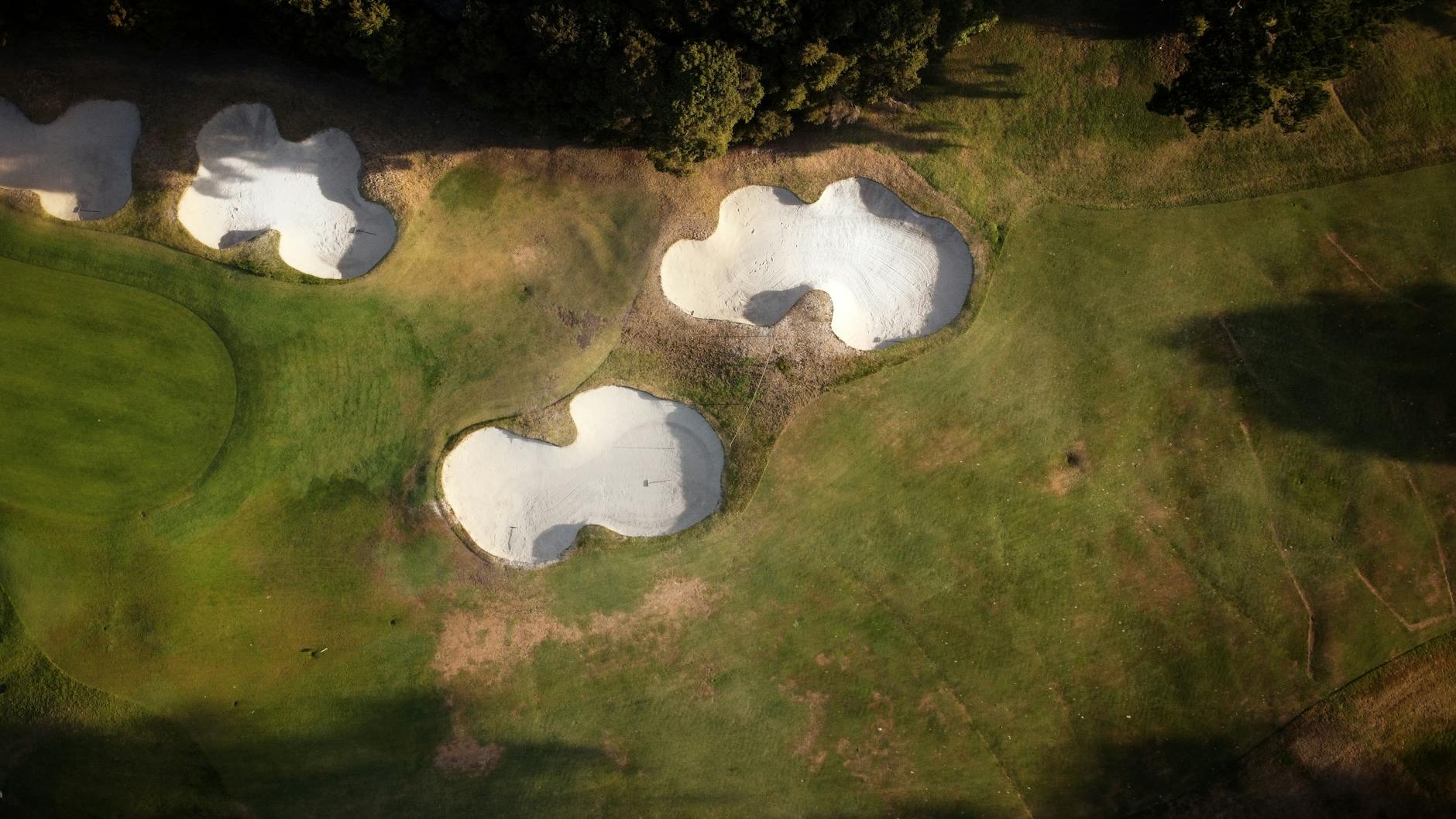
What separates truly iconic clubs from merely excellent ones? It's a combination of architectural brilliance, historical significance, competitive legacy, and an almost intangible sense of reverence that pervades every fairway. Let's explore what makes America's most prestigious clubs so extraordinary—and what it actually takes to become a member.
Augusta National: Where Tradition Means Everything
No conversation about American golf begins anywhere other than Augusta National Golf Club. Founded in 1933 by Bobby Jones and Clifford Roberts, the club was built on the former site of Fruitland Nurseries, which explains the azaleas, dogwoods, and flowering plants that transform the property each April into one of sport's most recognizable backdrops.
The Alister MacKenzie design remains a masterclass in strategic architecture. Every hole presents multiple risk-reward calculations, and the course's conditioning standards have influenced maintenance practices worldwide. The infamous Amen Corner—holes 11, 12, and 13—continues to produce some of golf's most dramatic moments during the Masters Tournament.
Membership at Augusta National operates unlike any other club. There is no application process. The approximately 300 members are invited by the club, and the identity of most members remains closely guarded. Initiation fees are reportedly modest by elite club standards, estimated between $40,000 and $50,000, though the true cost is the impossibility of securing an invitation without existing member sponsorship and the club's approval.
Pine Valley: The Purist's Paradise
Tucked away in the Pine Barrens of southern New Jersey, Pine Valley Golf Club has consistently been ranked among the world's greatest courses since its founding in 1913. George Crump, a Philadelphia hotelier with no formal design experience, spent years crafting what many consider the ultimate test of golf.
Pine Valley's genius lies in its uncompromising demands. There are no weak holes, no breather stretches. Every shot requires precision, and the sandy waste areas that frame each hole punish anything less than excellence. The course routing creates a sense of isolation—each hole exists as its own universe, separated from others by dense forest.
Pine Valley is an examination in golf. You're either ready for it or you're not.
— A sentiment shared by generations of players
Membership remains extraordinarily exclusive, with the club maintaining a small roster and a years-long waiting list. Until recently, Pine Valley was men-only, though the club has begun admitting women members—a significant shift in its century-plus history.
Cypress Point: Where Land Meets Legend
On California's Monterey Peninsula, Cypress Point Club represents Alister MacKenzie's American masterpiece. The 1928 design weaves through cypress groves, sand dunes, and dramatic oceanfront terrain that has no equal in American golf.

The famed 16th hole—a par 3 requiring a carry over the Pacific Ocean—is perhaps golf's most photographed single shot. But reducing Cypress Point to one hole does disservice to a routing that consistently reveals new wonders. The inland holes through the forest are as strategic and beautiful as the coastal stretch.
Cypress Point's membership is capped at approximately 250, and turnover is minimal. The club withdrew from hosting PGA Tour events decades ago, preferring privacy over publicity. For those fortunate enough to play, the experience is often described as transformative.
Pebble Beach: Public Access, Uncompromising Standards
Unlike its neighbors, Pebble Beach Golf Links operates as a public course—though green fees exceeding $600 ensure it remains accessible only to committed enthusiasts. This public status, however, hasn't diminished its competitive pedigree. The U.S. Open has visited Pebble Beach multiple times, producing some of championship golf's most memorable moments.
The Jack Neville and Douglas Grant design from 1919 maximizes the dramatic Carmel Bay coastline. Holes 6 through 10 hug the cliffs, offering views that distract even the most focused players. The finishing stretch, culminating at the par-5 18th along the water, provides a theatrical conclusion befitting a major championship venue.
Shinnecock Hills: America's First Fashionable Club
Among the five founding member clubs of the USGA, Shinnecock Hills Golf Club in Southampton, New York, holds a special place in American golf history. The current William Flynn design, dating to 1931, replaced earlier iterations and created a windswept links-style experience unique on the East Coast.
- Founded in 1891, making it one of America's oldest clubs
- Home to multiple U.S. Opens, with the championship returning periodically
- Features a Stanford White-designed clubhouse, an architectural landmark
- Maintains some of the most challenging green complexes in American golf
Membership at Shinnecock reflects old East Coast wealth and tradition. The waiting list reportedly spans many years, and sponsorship from existing members is essential. The club's understated approach—no merchandise, limited publicity—reflects values that predate modern golf's commercial era.
The Realities of Elite Club Membership
For golfers aspiring to membership at America's most prestigious clubs, understanding the landscape is essential. These institutions share common elements: existing member sponsorship is non-negotiable, patience is measured in years rather than months, and financial capacity alone guarantees nothing.
Many elite clubs have begun diversifying their membership bases, recognizing that golf's future depends on welcoming new voices and perspectives. This evolution, while gradual, represents a significant shift from the exclusionary practices that once defined private club culture.
For most golfers, playing these iconic courses will come through guest invitations, charity events, or—in Pebble Beach's case—a significant green fee investment. The experience, regardless of the pathway, offers perspective on why these places have captivated golfers for generations.
The Intangible Value
What truly sets America's iconic clubs apart isn't just the architecture, the conditioning, or the exclusivity. It's the accumulated weight of history—the knowledge that Jones walked these fairways, that Nicklaus conquered these challenges, that every shot connects you to golf's greatest moments.
Whether you're fortunate enough to secure membership, blessed with a guest invitation, or simply appreciate these courses from afar, understanding their legacy enriches your relationship with the game. These clubs aren't just places to play golf—they're cathedrals where the sport's past, present, and future converge.
Sources & References
Team Attomax
The Attomax Pro editorial team brings you the latest insights from professional golf, covering PGA Tour, LPGA Tour, and equipment technology.