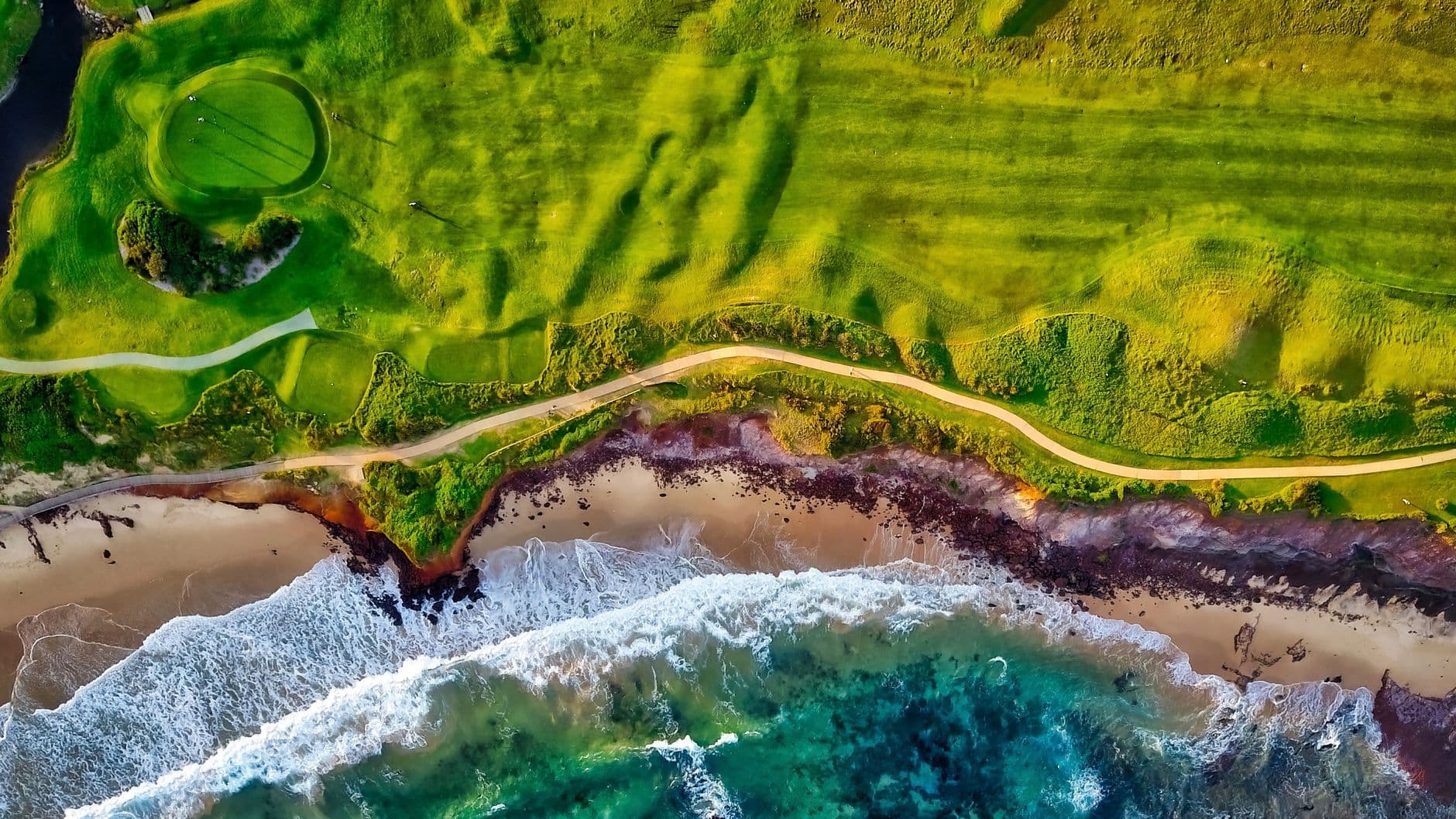
In the rarefied world of private golf, certain holes transcend mere par ratings to become sacred ground—places where architecture, history, and pure golfing challenge converge into something approaching the sublime. These signature holes aren't just difficult; they're definitive, shaping the identity of clubs that have hosted presidents, captains of industry, and the finest players the game has ever produced.
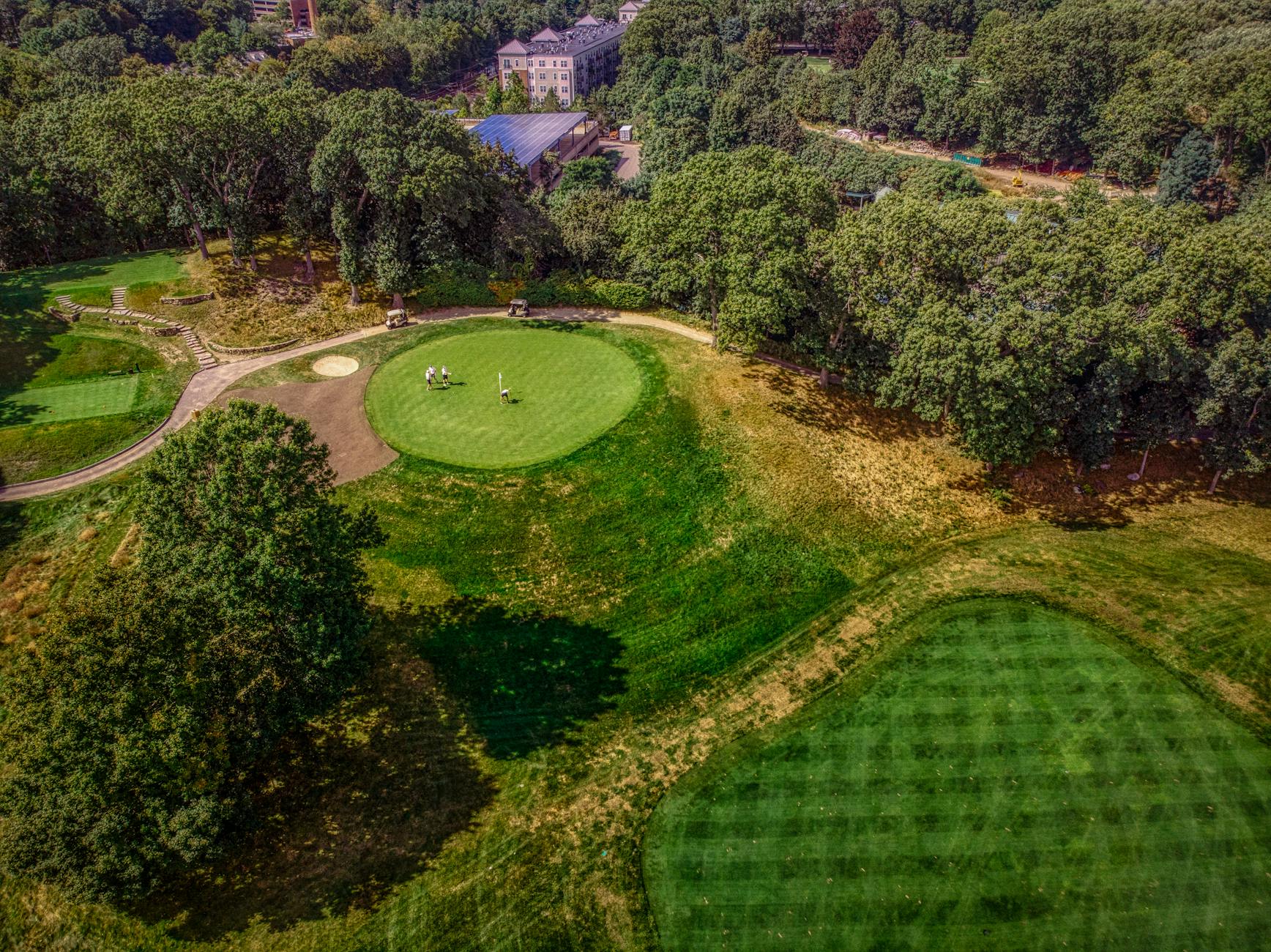
What separates a signature hole from merely a good one? It's the combination of strategic depth, visual drama, and the weight of moments that have unfolded there. These are holes that make your palms sweat on the tee box, regardless of your handicap.
Augusta National: The 12th at Golden Bell
No discussion of signature holes begins anywhere but the heart of Amen Corner. The 12th at Augusta National—Golden Bell—is a 155-yard par-3 that has decided more Masters tournaments than any other hole on the property. On paper, it's a simple short iron over Rae's Creek to a shallow green. In reality, it's a psychological crucible.
The swirling winds that funnel through the Georgia pines create a guessing game that has humiliated the world's best players. The green runs diagonally away from the tee, offering roughly 4,500 square feet of putting surface that slopes precipitously toward the water. Club selection here becomes almost philosophical—commit to your number or hedge against the wind you think you feel versus the wind actually moving your ball.
You don't know what pressure is until you have to hit a shot over water, and you can throw grass in the air and it goes one way, the trees another, and the flag yet another direction.
— Jack Nicklaus
Pine Valley: The 7th Hole's Hellish Half-Acre
Pine Valley Golf Club in New Jersey has long been regarded as the most difficult course in America, and its 7th hole embodies every ounce of that reputation. This 630-yard par-5 features "Hell's Half Acre," a massive sandy wasteland that bisects the fairway and forces players to make decisions that can salvage a round or destroy it.
The hole doglegs left around dense native vegetation, requiring two precise positioning shots before you even contemplate approaching the green. The putting surface itself sits elevated and well-protected, rejecting anything but the most committed approach. There's no laying up here in any comfortable sense—every shot demands execution.
- The fairway bunker complex spans nearly 100 yards of the hole's length
- No rough exists—miss the fairway and you're in sand, native areas, or worse
- The green's false front repels weak approaches back down the slope
- Wind exposure makes club selection a constant recalculation
Cypress Point: The 16th Over the Pacific
Alister MacKenzie's masterpiece on California's Monterey Peninsula features what many consider the most beautiful hole in golf. The 16th at Cypress Point is a 231-yard par-3 that plays entirely over the Pacific Ocean to a green perched on a rocky promontory. It is golf distilled to its most elemental form: you, your swing, and the abyss.

The prevailing wind typically helps, but the psychological burden of carrying your ball 200-plus yards over churning surf to a green guarded by ice plant and bunkers makes this one of the most intimidating tee shots in the game. A bailout area exists left for those who choose discretion, but walking off with bogey here feels like defeat at a course that rarely offers second chances.
Shinnecock Hills: The 14th Hole's Exposed Fury
Long Island's Shinnecock Hills has hosted multiple U.S. Opens, and its 14th hole exemplifies why the USGA keeps returning. This 494-yard par-4 plays into the prevailing wind across exposed terrain that offers no shelter and no mercy. The fairway tilts right, gathering errant drives toward thick fescue that hasn't been thinned for anyone's convenience.
The approach must carry a deep swale fronting the green, but flying it long means navigating a downslope toward heavy rough. When championship conditions firm the putting surface, holding this green with a long iron becomes an exercise in trajectory control that separates contenders from the field.
What Modern Technology Means for These Classics
Today's equipment has certainly changed how professionals attack these legendary holes, but for amateurs navigating the same terrain, the challenges remain profound. High-density ball construction—like Attomax's amorphous metal core technology—can provide improved wind stability on exposed coastal holes like Cypress Point's 16th or Shinnecock's 14th, but no equipment substitutes for course management wisdom.
The strategic questions these holes pose haven't changed in decades: When do you attack? When do you protect? How much risk tolerance does your current score afford? The greatest signature holes force these calculations repeatedly, punishing bravado and cowardice with equal severity.
The Privilege of Playing History
Access to these courses remains extraordinarily limited. Augusta National's membership is invitation-only and famously secretive. Pine Valley restricts women's play and maintains one of golf's longest waiting lists. Cypress Point accepts roughly one new member per year. Shinnecock Hills, while slightly more accessible through USGA events, guards its regular tee times jealously.
Yet for those fortunate enough to walk these fairways, the experience transcends typical golf. Standing on the 12th tee at Augusta during a practice round, or watching the sun set over the Pacific from Cypress Point's 16th, connects you to every great player who's stood in that same spot, faced that same challenge, and felt that same mixture of fear and possibility.
These signature holes endure because they ask timeless questions about our games and ourselves. Technology evolves, courses get lengthened, and new stars emerge—but Golden Bell's winds still swirl, Hell's Half Acre still awaits the wayward shot, and the Pacific still churns beneath the 16th at Cypress. In a sport obsessed with improvement, some things remain gloriously, perfectly unchanged.
Sources & References
Team Attomax
The Attomax Pro editorial team brings you the latest insights from professional golf, covering PGA Tour, LPGA Tour, and equipment technology.