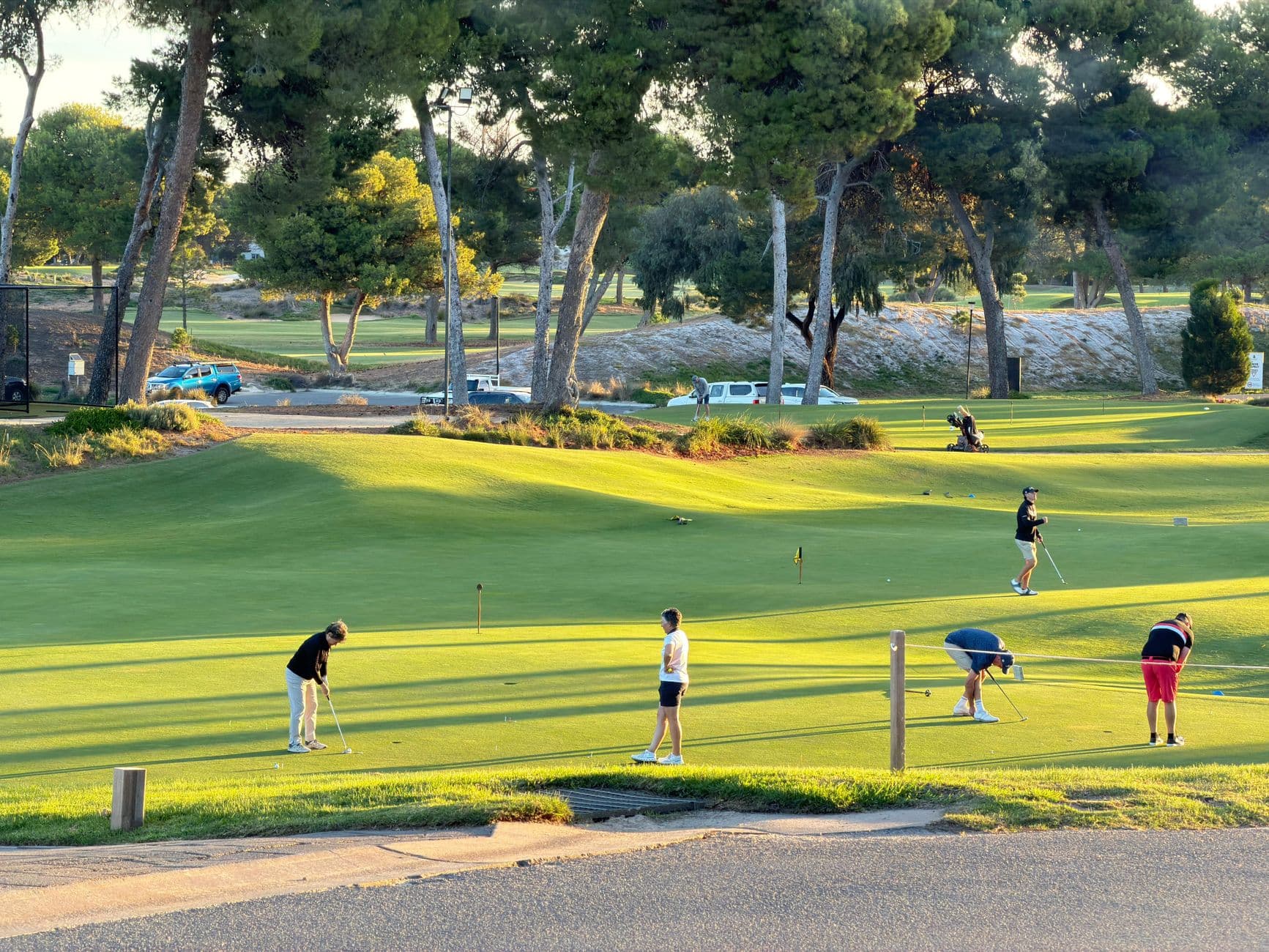
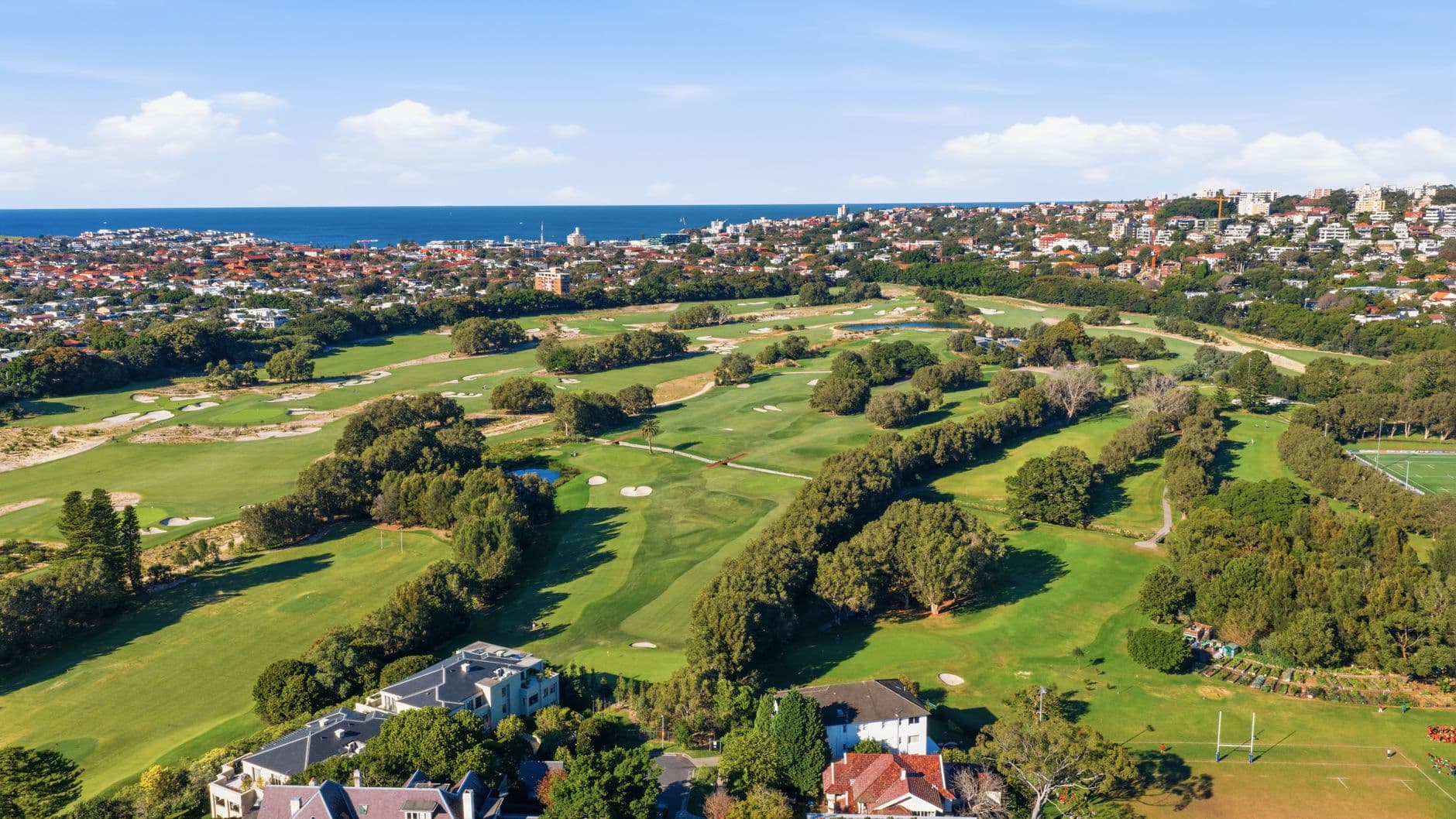
There exists a rarefied tier of American golf where membership waitlists span decades, initiation fees rival luxury automobiles, and the courses themselves represent the pinnacle of architectural achievement. These private sanctuaries have hosted major championships, shaped professional careers, and preserved traditions that define the sport's aristocratic heritage.
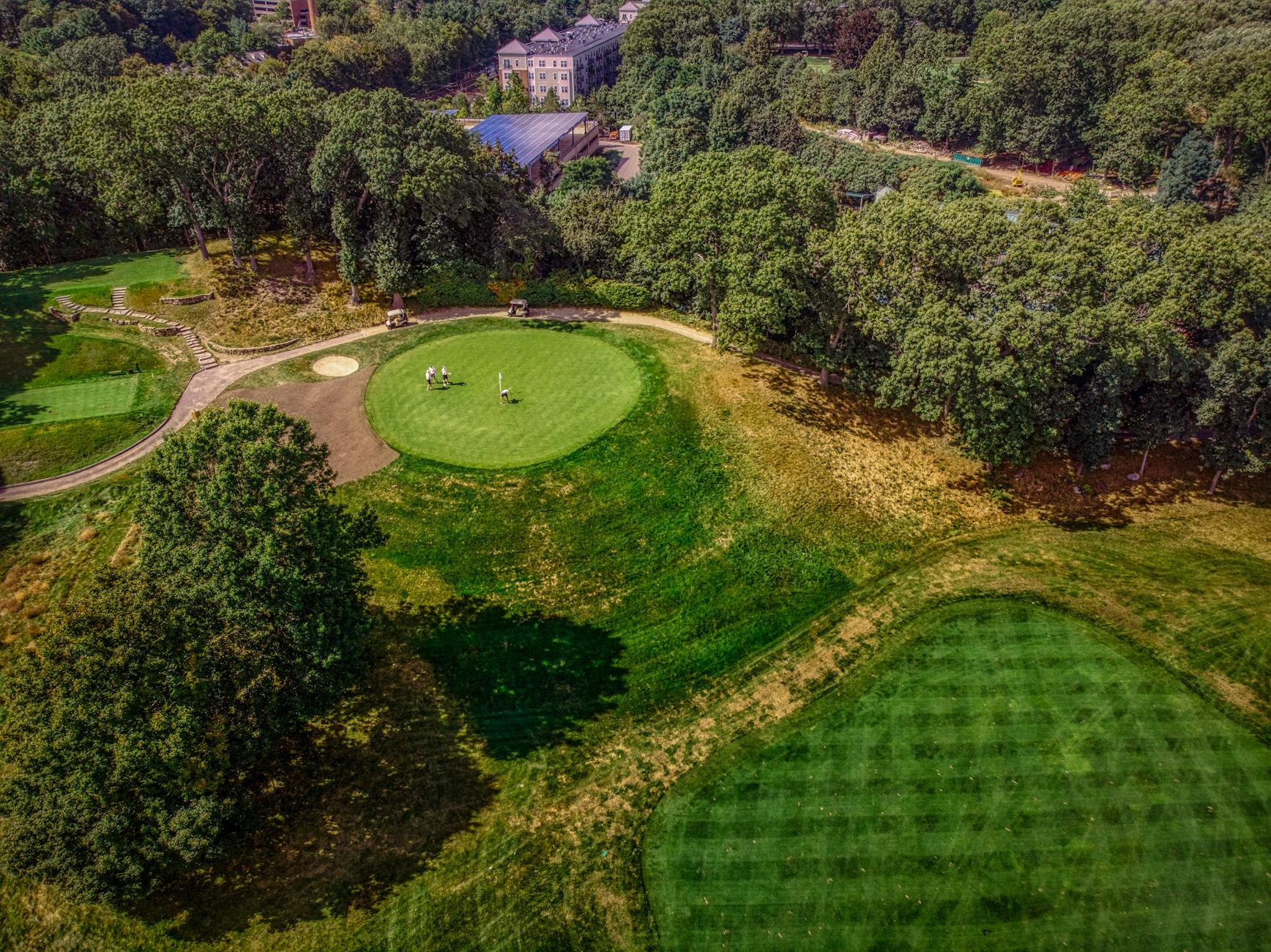
What elevates these clubs beyond mere exclusivity is the quality of their championship layouts—courses where every hole tells a story, but certain signature holes have achieved legendary status in golf's collective consciousness.
Augusta National Golf Club: Where Legends Are Made
No discussion of America's elite private clubs begins anywhere but Augusta, Georgia. The home of The Masters represents golf's most exclusive address, where membership is by invitation only and the waiting list doesn't technically exist—you're either invited or you're not.
The signature stretch known as Amen Corner—holes 11, 12, and 13—has decided more green jackets than any other sequence in championship golf. The par-3 12th, Golden Bell, measures a deceptively short distance over Rae's Creek, but the swirling winds through the Georgia pines have destroyed countless tournament hopes.
There is no place in the world that I would rather be than right here, right now, playing in the final round of The Masters.
— Ben Crenshaw
Cypress Point Club: The Sistine Chapel of Golf
Alister MacKenzie's masterpiece along California's Monterey Peninsula is often called the most beautiful golf course in the world. Cypress Point's membership is capped at approximately 250, and the club famously withdrew from hosting PGA Tour events rather than compromise its intimate character.
The 16th hole stands as arguably the most photographed par-3 in existence. This dramatic oceanside one-shotter requires a carry of over 200 yards across the churning Pacific to a green perched on rocky outcroppings. When the wind howls off the water, even the game's best players have been known to lay up to an alternate fairway.
- The carry over the ocean requires precision and nerve in equal measure
- Marine layer fog can roll in without warning, transforming visibility
- The putting surface slopes dramatically toward the sea cliffs
- Many consider it the single greatest hole in American golf
Pine Valley Golf Club: The World's Toughest Walk
Nestled in the New Jersey Pine Barrens, Pine Valley has consistently ranked among the world's top courses since its 1918 opening. The club's reputation for difficulty is matched only by its exclusivity—membership remains strictly limited, and guests can only play when accompanied by a member.
The 7th hole epitomizes Pine Valley's demanding character. This mid-length par-5 is appropriately nicknamed "Hell's Half Acre" for the massive sandy wasteland that bisects the fairway. The second shot must navigate this lunar landscape of sand, scrub, and despair, with anything less than perfect execution resulting in a scorecard-wrecking adventure.
Shinnecock Hills Golf Club: America's First Clubhouse
Among the five founding member clubs of the USGA, Shinnecock Hills in Southampton, New York, holds a unique place in American golf history. Its windswept links-style layout has hosted multiple U.S. Opens, with the championship returning periodically to test the world's best against its demanding conditions.
The par-4 14th exemplifies Shinnecock's stern examination. Playing into the prevailing wind off Peconic Bay, this hole features a crowned fairway that rejects anything but the most precise tee shots into thick fescue rough. The approach must navigate a green complex surrounded by falloffs and bunkers that punish indecision.
What Makes These Holes Unforgettable
The signature holes at America's top private clubs share common elements that elevate them beyond mere difficulty. Strategic options reward intelligence over brute force. Natural features—ocean, sand, elevation—integrate seamlessly with design. And each carries decades of competitive history that adds psychological weight to every shot.
- Risk-reward decisions that test course management and self-awareness
- Natural hazards that punish poor execution without feeling artificial
- Visual drama that creates lasting memories for every golfer
- Historical significance from championships and legendary performances
The Modern Challenge: Equipment Evolution
These classic designs face an ongoing challenge as equipment technology continues to advance. What once required a heroic long-iron now succumbs to a mid-iron for touring professionals. Clubs have responded by adding length, though the fundamental strategic elements remain intact.
For members seeking to experience these signature holes as the architects intended, high-density ball technology like Attomax's amorphous metal construction offers an interesting compromise—enhanced distance control and wind stability that rewards precision over pure power, aligning with the strategic demands these classic layouts were designed to test.
The Privilege of Access
For most golfers, these signature holes will remain the stuff of televised majors and bucket-list dreams. The exclusivity that preserves these courses also limits access to a fortunate few. Yet their influence extends far beyond their membership rolls, inspiring architects and setting standards that shape courses at every level of the game.
Whether you're fortunate enough to stand on Cypress Point's 16th tee or simply appreciate these holes through the lens of championship coverage, their significance to American golf remains undiminished. They represent the sport at its most demanding, most beautiful, and most aspirational—holes that remind us why we chase this impossible game across meticulously manicured landscapes in pursuit of something approaching perfection.
Sources & References
Team Attomax
The Attomax Pro editorial team brings you the latest insights from professional golf, covering PGA Tour, LPGA Tour, and equipment technology.