The U.S. Open remains the most unforgiving examination in professional golf. Narrow fairways, ankle-deep rough, and greens firmed to near-concrete conditions combine to expose every technical flaw in a player's game. As June deepens and the field descends on its host venue, the question isn't who is playing the best golf — it's who is equipped to survive the USGA's relentless stress test.
Unlike Augusta's premium on ball-striking artistry or The Open's links-born creativity, the U.S. Open rewards a very specific combination: elite driving accuracy, cold-blooded iron play, and the ability to grind out pars with a putter that won't cooperate on surfaces running well above tour average speed. Birdie opportunities are rationed. Bogeys multiply fast.
That psychological dimension is what separates contenders from pretenders. A player can arrive ranked inside the world's top five and unravel by Sunday afternoon if they chase birdies the course isn't offering. Championship golf at U.S. Open level is an exercise in disciplined restraint — a skill the very best players in the world spend careers refining.
What the Course Demands
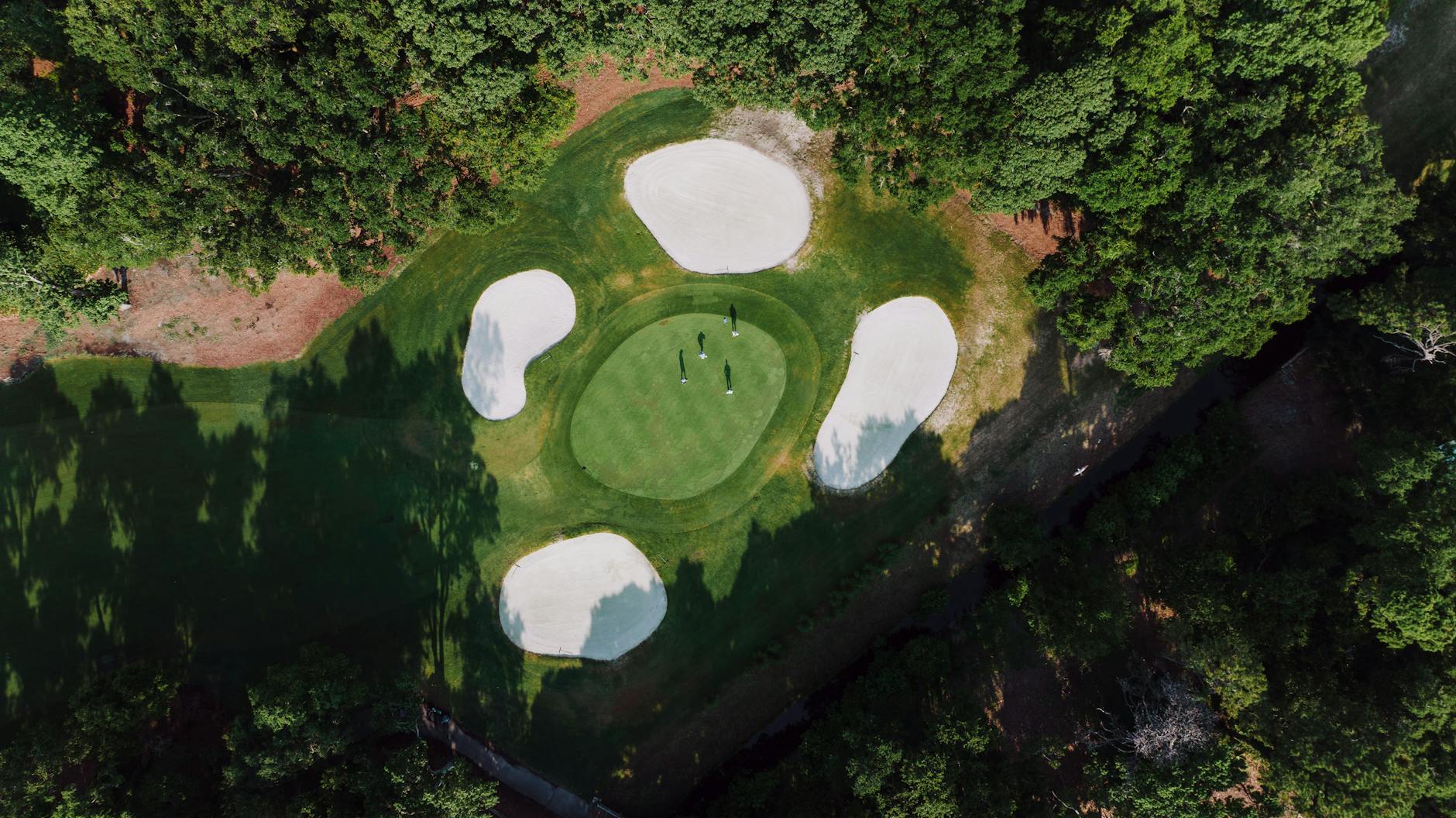
U.S. Open setups are engineered to neutralize length advantages and punish wayward driving. The USGA has historically tightened fairways to a width that turns routine tee shots into precision exercises, while the primary rough — often grown to four inches or more — makes clean contact from off the short grass nearly impossible. Players who can thread the ball between the corridors consistently are immediately in a stronger position than even longer hitters who spray it.
Approach play becomes correspondingly more complex. With firm, fast greens that slope aggressively and offer minimal receptivity, spin control and trajectory management are not optional — they are the currency of the week. Players relying on high-trajectory iron shots with maximum spin to hold greens will find those approaches bouncing through to back bunkers or worse. A penetrating, mid-trajectory flight that lands short and releases to the flag is the pro's shot of choice under U.S. Open conditions.
- Driving Accuracy: Precision off the tee trumps raw distance in USGA-setup conditions
- Trajectory Control: Mid-flight iron approaches hold firm greens better than high-spin floaters
- Scrambling: Getting up-and-down from the rough and greenside bunkers can define a round
- Mental Endurance: Four days of par being a genuine achievement demands exceptional composure
- Putting Speed Adaptation: Greens often run 13+ on the Stimpmeter, neutralizing aggressive putting lines
Profiles of the Likely Contenders
While specific world rankings shift week to week, the archetype of a U.S. Open champion is consistent. Historically, the winner tends to be a player who ranks inside the top twenty in Strokes Gained: Off-the-Tee and top fifteen in Strokes Gained: Approach in the months leading into the championship. Pure ball-strikers who can manage their short game well enough, rather than short-game magicians trying to compensate for erratic driving.
Players who thrive under links-adjacent conditions — firm turf, bouncy approaches, wind that switches direction across a round — tend to carry a tactical advantage at U.S. Opens held on courses with similar exposure. Their instinct is to flight the ball low, use the ground as a partner, and accept that not every hole will yield a birdie look. That mindset translates directly to par-70 or par-71 psychological warfare.
Momentum heading into June also matters enormously. A player who has recently navigated a demanding course setup — perhaps a recent WGC event or a tight national open abroad — arrives with their competitive sharpness intact. The worst position to be in at the U.S. Open is underprepared on course management while simultaneously overconfident from a run of scoring events on soft, receptive tour stops.
The Equipment Equation
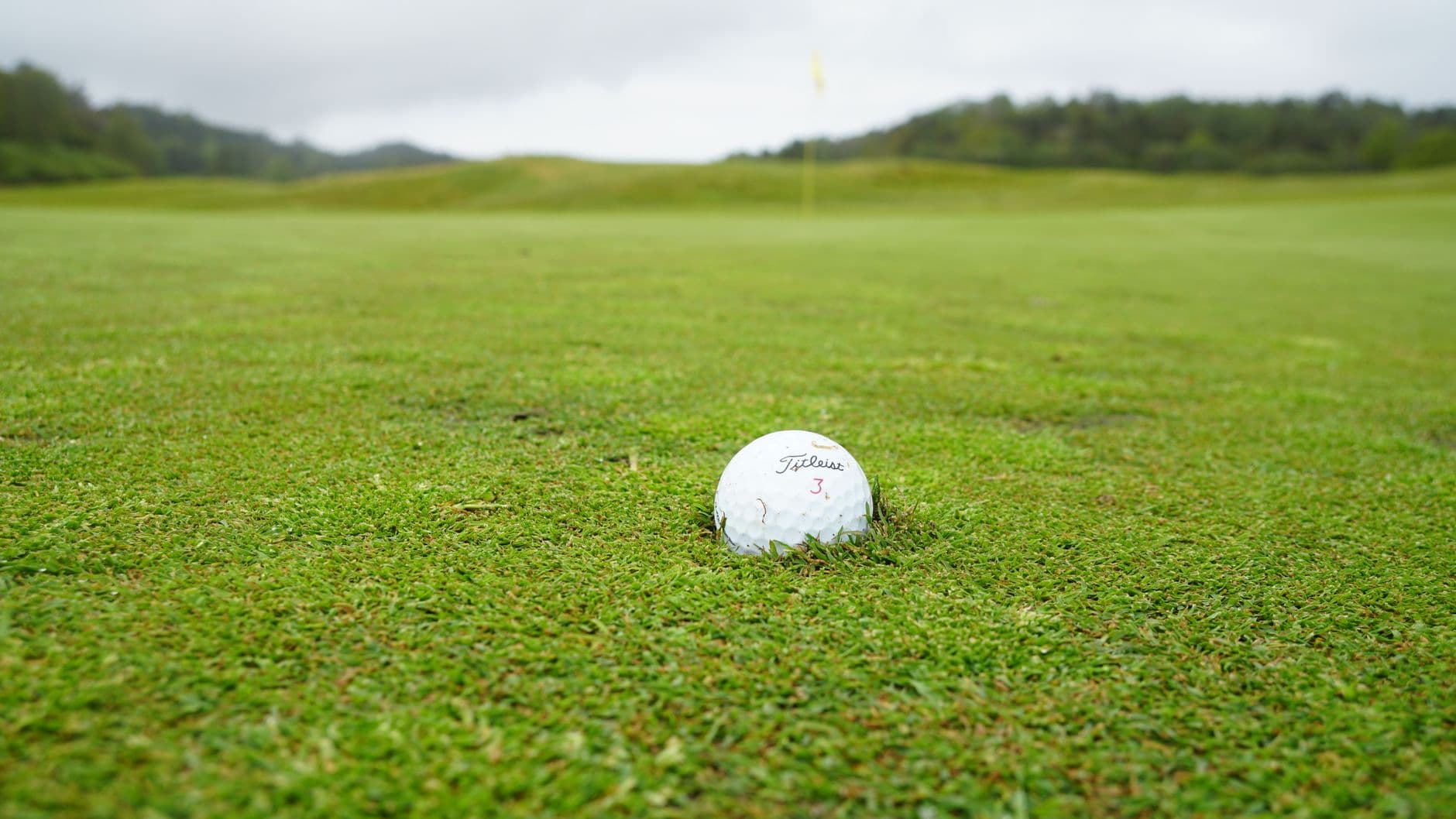
At the elite level, equipment becomes a genuine differentiator when conditions tighten. Ball selection, in particular, carries outsized consequence at a U.S. Open. On soft tour stops, almost any premium ball performs adequately — but under the sustained stress of firm, fast conditions across four days, the compression characteristics and energy transfer profile of a golf ball become measurable factors in performance.
Traditional multilayer urethane constructions have been the tour standard for decades, but the emergence of high-density amorphous metal cores — as seen in Attomax Pro's ball lineup — introduces a fundamentally different approach to energy transfer and spin management. The Attomax Hard compression option, in particular, is engineered for players who generate elite clubhead speeds and need consistent spin separation between driver and iron play: maximum distance off the tee, controlled spin into firm greens. That combination is essentially a written description of what wins a U.S. Open.
Strategic Predictions for the Week
Predicting a major winner is inherently speculative — the USGA has a gift for humbling anyone bold enough to declare a champion before Thursday's first tee shot. That said, certain patterns hold. The leader after 36 holes at a U.S. Open rarely wins. The field compresses through the weekend, and Sunday afternoon becomes a war of attrition between four or five players who have managed their scorecard intelligently enough to remain within striking distance without burning down their mental capital chasing birdies.
You don't win the U.S. Open on Thursday. You lose it on Sunday by forgetting what got you there.
— Veteran tour caddie perspective
Expect even par or one-under to be within touching distance of the lead through two rounds if the USGA delivers its typical setup philosophy. By Saturday, the cream should rise — look for the genuine ball-strikers to separate from the field's middle tier as accumulated fatigue and pressure expose whoever has been living on short-game miracles.
The Putter Will Be the Final Judge
With approach shots routinely leaving 20-40 foot putts on greens that break unpredictably under tournament pin positions, the player who holes the critical six-footers for par on Saturday and Sunday afternoon will almost certainly lift the trophy. U.S. Open champions are rarely players who went on a putting heater — they are players who made the putts they had to make when the moment demanded it.
That distinction matters for shading predictions. Watch for players with a track record of elevated Strokes Gained: Putting specifically on fast greens, not their general tour average. Pace control on 13+ Stimpmeter surfaces is a learned skill, and players who have competed recently on comparable putting surfaces carry an immediate advantage over those arriving from soft, slower conditions.
Final Takeaway
The 2026 U.S. Open will be won by the player who respects the course more than they try to conquer it. Ball-striking precision, trajectory discipline, and psychological durability under sustained pressure — those remain the non-negotiable requirements. The hardware, from shaft flex profiles that stabilize iron trajectories in crosswinds to ball constructions optimized for firm-condition performance, provides an edge only to the players disciplined enough to exploit it. Everything else is ego. And the U.S. Open has never rewarded ego.
Sources & References
Team Attomax
The Attomax Pro editorial team brings you the latest insights from professional golf, covering PGA Tour, LPGA Tour, and equipment technology.