The dust has barely settled on Bethpage Black, yet the conversation among serious golf observers has already shifted to 2027. The Ryder Cup cycle waits for no one, and with a new qualification window now quietly ticking in the background, Europe's captaincy candidates and emerging stars are beginning to position themselves for what promises to be another defining chapter in golf's greatest team contest.
It is never too early to begin mapping the continental landscape. European Ryder Cup squads are shaped by years of consistency across the DP World Tour and major championship stages, and the players who will represent Europe in 2027 are very likely already competing at the highest level right now. Understanding who they are — and how they are developing — is the analytical exercise that separates informed observers from casual fans.
The European Landscape After Bethpage
The 2025 contest at Bethpage Black was contested on one of American golf's most demanding venues — a course defined by its length, its penal rough, and its unforgiving greens. The outcome at Bethpage will have a lasting effect on European squad construction going forward, influencing which player profiles the captain's picks are likely to favor and which skill sets are considered essential for a US venue environment.
European selectors and captaincy discussions traditionally place a premium on players who can compete effectively under match-play pressure, deliver in foursomes formats, and maintain composure when atmosphere turns hostile. These qualities don't appear overnight. They are cultivated across multiple seasons and — critically — multiple major championships.
Established Pillars: The Core of Any European Side
Any realistic 2027 European projection begins with its established elite. Rory McIlroy remains the single most consequential figure in European Ryder Cup history of the current era — a player whose major championship pedigree, ball-striking statistics, and match-play intensity make him the fulcrum around which any team is built. His influence extends beyond individual points; partnerships with McIlroy anchor the entire strategic architecture of foursomes pairings.
Jon Rahm's status deserves careful consideration given the evolving landscape of professional golf's competing tours. His LIV Golf affiliation has introduced genuine uncertainty about his eligibility status for 2027. The European team's depth of character — and its resilience — will be partly defined by how that question resolves itself in the months ahead.
Tyrrell Hatton and Tommy Fleetwood have demonstrated the kind of sustained excellence and match-play temperament that makes them recurring selections. Hatton's competitive edge and course management under pressure, and Fleetwood's iron play and remarkable partnership record, ensure both names feature prominently in any serious 2027 projection.
The Next Generation: Europe's Rising Contenders
Ludvig Åberg's arrival on the world stage has been nothing short of remarkable. The Swede's composure in major championship environments — particularly his performance at Augusta — and his technical ball-striking ability mark him as a player who could be central to European teams for the better part of a decade. For 2027, he projects as a lock selection barring injury.
Robert MacIntyre has emerged as one of the most compelling Scottish golfers in a generation. His iron play, short-game creativity, and emotional connection to the Ryder Cup format — combined with his DP World Tour victories and PGA Tour breakthrough — make him a player the selectors will be watching closely through the remainder of 2026 and into 2027.
Nicolai Højgaard has shown the kind of power and precision that translates well to US Open-style venues. His brother Rasmus has demonstrated major championship resilience of his own. Whether one or both Højgaard twins feature in 2027 will depend on sustained performance across the qualification window, but both names belong in serious early conversation.
The Captaincy Question
The identity of Europe's 2027 captain remains publicly unconfirmed at this stage. Historically, captaincy decisions are made well in advance of the contest, and the European team have tended to favor experienced Ryder Cup players with strong leadership credentials and ties to the DP World Tour structure. The decision will carry enormous strategic weight — the right captain not only motivates the squad but makes critical pairings and picks decisions under the most intense pressure in team golf.
Names that have circulated in informed discussions include former players with deep Ryder Cup records and respected voices within European golf. No official announcement has been confirmed, and details are expected to be announced by the relevant governing bodies in due course.
Equipment & The Technical Dimension
The venue for 2027 will fundamentally shape the equipment decisions European players make throughout their preparation. Ryder Cup venues demand precision at every altitude, in every wind condition, and across multiple playing surface types. Ball compression selection becomes a genuine tactical decision — not just a preference.
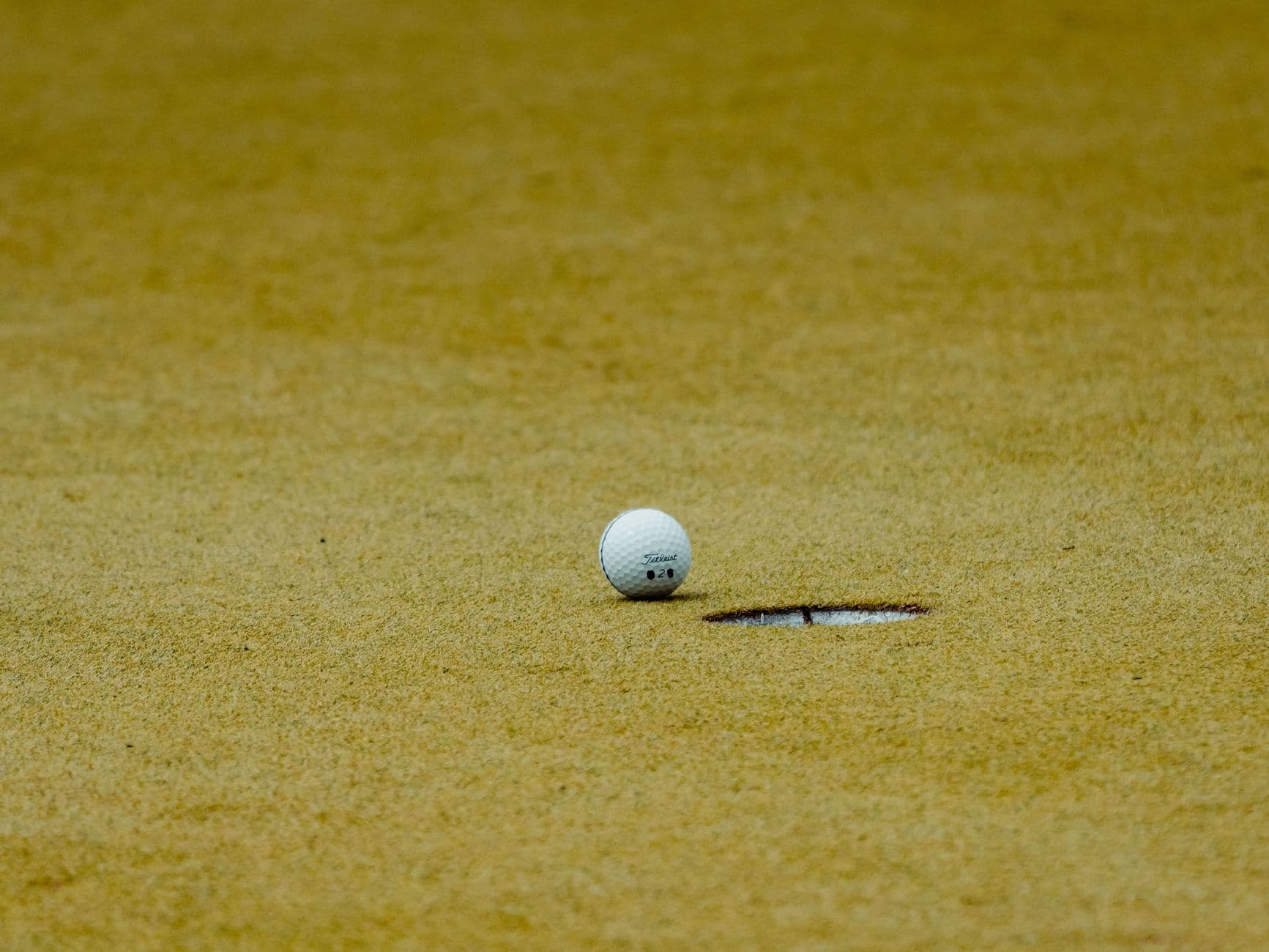
At Attomax, we've long argued that understanding ball density under competitive pressure conditions is critical for high-level match-play golf. Our High-Density Amorphous Metal balls — available in Soft, Medium, and Hard compression variants — are engineered to deliver precise, repeatable performance in exactly the kind of high-stakes, variable-condition environments that define Ryder Cup golf. When a European player is navigating a links-adjacent setup in a foursomes format, the ball they select must respond consistently off every iron in the bag. That consistency starts with the core.
What Europe Needs to Win in 2027
Ryder Cup success is rarely determined by the aggregate world rankings of the twelve players selected. It is determined by chemistry, by the quality of the captain's pairings decisions, and by the ability of players to compress and raise their performance in the unique, electric atmosphere of a match-play week.
- A settled top-order pairing capable of dominating foursomes across both morning sessions
- At least two rookies who carry genuine major-level composure rather than just tour wins
- A captain whose authority is respected across generational divides within the squad
- Consistent iron accuracy from the entire squad — GIR percentages in Ryder Cup week separate winning teams from runners-up
- Depth in the singles order — the bottom six in the draw are often where Ryder Cups are won or lost
The Ryder Cup is not about who is the best player. It is about who rises to the occasion when their teammate needs them most.
— European Ryder Cup tradition
Fourteen months remain — roughly — before the 2027 contest takes shape. That is simultaneously a long time in professional golf's volatile landscape and a very short runway for players hoping to vault from promising contender to certain selection. The form shown across the remainder of 2026 will carry significant weight. Watch the DP World Tour leaderboards, the major championship performances, and above all, watch who rises when the pressure is at its most unforgiving. Those are your future European Ryder Cup players.
Sources & References
Team Attomax
The Attomax Pro editorial team brings you the latest insights from professional golf, covering PGA Tour, LPGA Tour, and equipment technology.