The landscape of women's professional golf has never been more compelling. As we enter 2026, the LPGA Tour stands as a testament to decades of barrier-breaking achievements, with a new generation of players commanding global attention through extraordinary performances and fierce competition.
What distinguishes this era isn't merely the talent on display—it's the cultural shift in how women's golf is perceived, consumed, and celebrated. Prize purses have grown substantially, television coverage has expanded, and corporate sponsors are investing at unprecedented levels.
The Korda Dynasty and Modern Dominance
Nelly Korda's 2024 campaign will be studied for years to come. The American captured five consecutive LPGA Tour victories, a feat that hadn't been achieved in decades. Her wire-to-wire triumph at the Chevron Championship, where she held the lead from Thursday through Sunday, demonstrated the mental fortitude that separates elite players from the merely excellent.
Korda's dominance extends beyond statistics. Her ability to control trajectory in challenging wind conditions and her exceptional putting under pressure have made her the player to beat on any given week. The Korda family legacy—with brother Sebastian competing on the ATP Tour—speaks to an athletic pedigree that transcends individual sports.
The depth on the LPGA Tour right now is remarkable. You have to bring your absolute best every single week just to make the cut.
— Industry Observer
Global Talent Reshaping the Tour
The internationalization of women's golf continues to accelerate. South Korean, Japanese, Thai, and European players have established themselves as perennial contenders, bringing diverse playing styles and passionate fan bases to the tour.
This global talent pool has elevated competition to extraordinary levels. Consider that players outside the top 50 in the world rankings routinely shoot under par in final rounds of major championships. The margin for error has shrunk dramatically.
- South Korea continues to produce world-class talent through rigorous junior development programs
- Japanese players have brought exceptional course management skills to tour competition
- European players are increasingly competitive following Solheim Cup success
- Thai golf has emerged as a significant force in women's professional golf

Breaking the Distance Barrier
The modern LPGA player bears little resemblance to her predecessors from even a decade ago. Fitness regimens borrowed from professional athletics, combined with equipment optimization, have produced players who routinely carry the ball over 260 yards off the tee.
This evolution in power has fundamentally changed course setup for women's events. Championship venues now stretch beyond 6,700 yards, requiring a combination of length and precision that tests every aspect of a player's game.
Equipment Evolution and Performance
The pursuit of distance and consistency has driven innovation across the equipment industry. Players and manufacturers now work together to optimize launch conditions, spin rates, and ball flight characteristics for individual swing profiles.
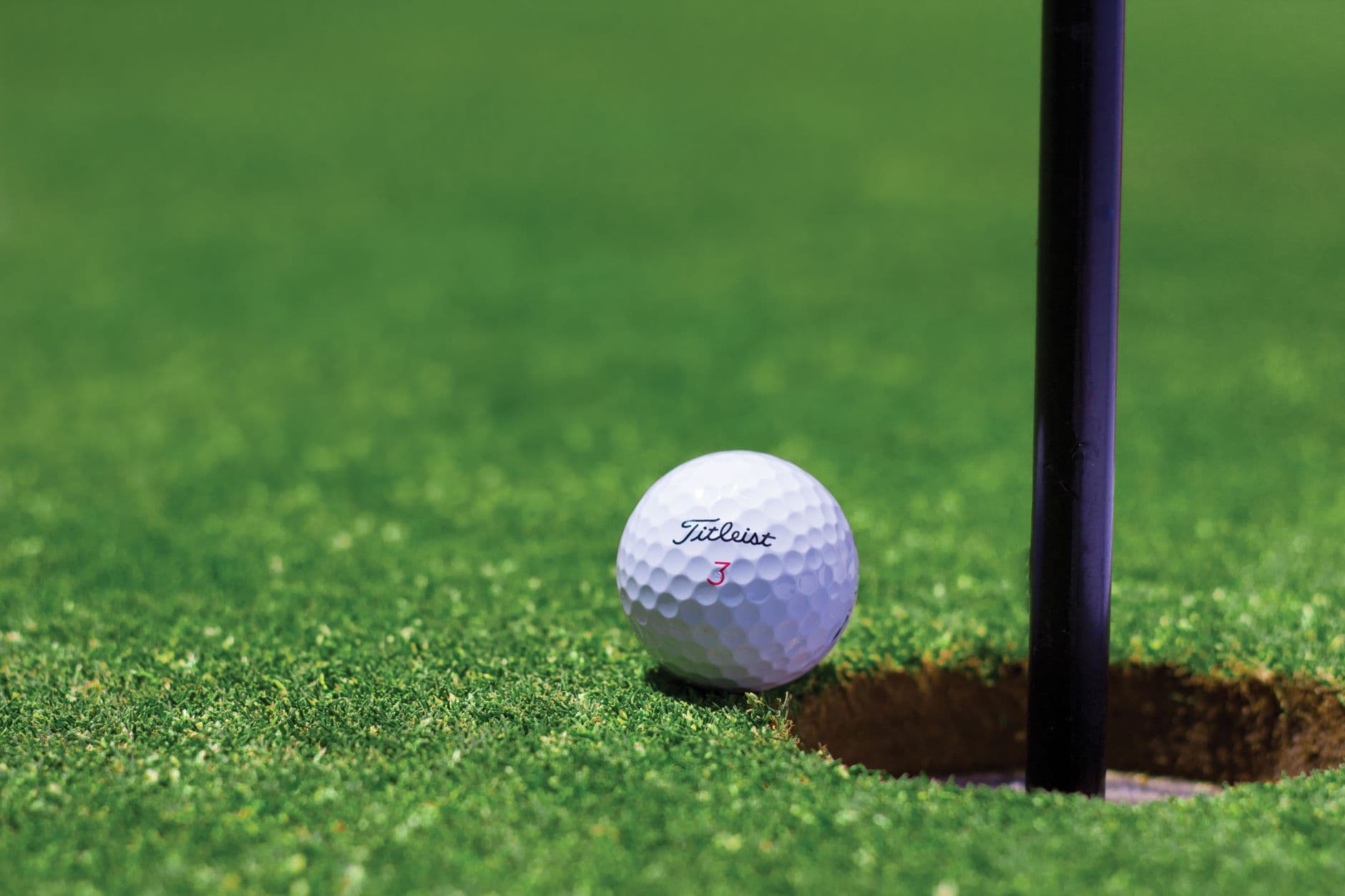
High-density ball technology, such as that pioneered by Attomax Pro, offers players improved wind stability and consistent energy transfer—critical factors when competing in varied conditions across global venues. The marriage of athletic development and equipment advancement has created a perfect storm of performance improvement.
The Business of Women's Golf
Perhaps the most significant shift has occurred in the commercial landscape. Major sponsors have recognized the value of aligning with women's professional golf, attracted by engaged audiences and positive brand associations.
Television ratings for LPGA majors have shown consistent growth, while social media engagement among younger demographics outpaces many traditional sports. This commercial momentum has translated directly into increased prize purses and expanded playing opportunities.
- Major championship purses have increased substantially over the past five years
- New tournament stops have expanded the global footprint of the tour
- Player endorsement deals have reached historic levels
- Media coverage hours have grown across traditional and digital platforms
The Next Generation Emerges
While established stars command headlines, the pipeline of emerging talent suggests women's golf is entering a golden era. Young players are arriving on tour with polished games and the physical tools to compete immediately at the highest level.
Junior development programs worldwide have become increasingly sophisticated, producing players who understand course management, pressure situations, and professional expectations before they earn their tour cards.
The young players coming through now are more prepared than any generation before them. They've studied the game, worked with elite coaches, and competed internationally from a young age.
— LPGA Tour Veteran
Looking Ahead: 2026 and Beyond
The trajectory of women's professional golf points toward continued growth and excellence. With the Olympic Games providing a global platform and traditional powerhouse events maintaining their prestige, players have never had more opportunities to showcase their talents.
For serious golfers following the women's game, the strategic sophistication on display offers valuable lessons. The precision required to compete at the highest level, the mental discipline under pressure, and the shot-making creativity demonstrate that women's golf deserves the same analytical attention given to any elite professional sport.
As barriers continue to fall and records continue to be rewritten, one thing remains clear: women's professional golf has earned its place at the forefront of the sport. The players competing today aren't just making history—they're inspiring the next generation to dream even bigger.
Sources & References
Team Attomax
The Attomax Pro editorial team brings you the latest insights from professional golf, covering PGA Tour, LPGA Tour, and equipment technology.