There's a particular reverence that settles over you when walking through the gates of Europe's most storied golf clubs. It's not merely the immaculate conditioning or the architectural grandeur—it's the weight of history, the whispered legends of Open Championships past, and the unmistakable sense that you're stepping into something far greater than a round of golf.

European golf clubs occupy a unique position in the global game. While newer destinations compete with infinity pools and celebrity chef restaurants, these institutions draw their magnetism from something more profound: authenticity that cannot be manufactured or fast-tracked.
The Birthplace of the Game: Scotland's Living Museums
The Old Course at St Andrews requires no introduction, yet continues to humble even the most accomplished players who walk its ancient fairways. What distinguishes Scotland's premier clubs isn't just their age—it's their unwavering commitment to preserving links golf in its purest form while thoughtfully integrating modern amenities.
Muirfield, home to The Honourable Company of Edinburgh Golfers, exemplifies this balance masterfully. The club, which has hosted sixteen Open Championships, maintains strict traditional protocols while ensuring its course conditioning rivals any facility worldwide. The greens read true, the bunkers remain fearsome, and the wind still dictates every strategic decision.
Royal Dornoch, perched on Scotland's rugged northeastern coast, offers perhaps the finest example of sustainable luxury. The club has invested significantly in environmental stewardship, managing its dunes ecosystem while welcoming visitors who seek golf in its most elemental state.
England's Heathland Gems: Where Subtlety Reigns Supreme
South of the border, England's heathland belt presents an entirely different expression of premium golf. Sunningdale, Wentworth, and The Berkshire have cultivated an atmosphere where understated elegance supersedes ostentation.
- Sunningdale's Old and New courses offer contrasting challenges within the same property, with the Old Course consistently ranked among Britain's finest inland layouts
- Wentworth Club has transformed under private ownership, with significant investments in practice facilities and member amenities while maintaining its championship pedigree
- The Berkshire's Red and Blue courses provide heathland golf at its most strategic, where course management trumps raw power
These clubs have mastered the art of the soft sell. Membership carries genuine cachet precisely because it's never flaunted. The clubhouses feel like country homes, the service is impeccable but never intrusive, and the golf speaks entirely for itself.
Continental Excellence: From Spanish Costa to French Château
Spain's Valderrama remains the Iberian Peninsula's crown jewel. The Robert Trent Jones Sr. design, carved through cork oak forests along the Costa del Sol, has hosted Ryder Cups and countless European Tour events. The club's attention to conditioning borders on obsessive—every blade of grass seemingly accounted for.
Golf in Europe isn't just about the shot you're playing. It's about understanding the shot that was played on that same ground a hundred years before you arrived.
— European Tour Professional
France offers its own distinct luxury proposition. Les Bordes, in the Loire Valley, combines American-style resort amenities with European sophistication. The Gil Hanse-designed New Course has earned immediate acclaim, while the original layout remains a demanding test through wetlands and ancient forests.
The Irish Dimension: Raw Beauty and Warm Hospitality
Ireland's contribution to premium European golf cannot be overstated. Ballybunion, Lahinch, and Royal County Down deliver links experiences that many argue surpass even Scotland's finest. What distinguishes Irish clubs is the warmth of welcome—a genuine hospitality that transforms visitors into lifelong advocates.
The newer developments along Ireland's western coast have proven that modern design can coexist with traditional values. These courses honor the land's natural contours while providing facilities that meet contemporary expectations.
Modern Amenities, Timeless Values
The most successful European clubs have recognized that tradition need not mean stagnation. Investment in practice facilities has accelerated dramatically, with launch monitors, covered bays, and short game areas now standard at elite venues. The difference lies in integration—technology serves the golfer's development without dominating the experience.
Clubhouse renovations across the continent reflect similar philosophy. Historic structures receive sensitive restoration while incorporating modern climate control, updated dining facilities, and comfortable locker rooms. The goal remains consistent: enhance the member experience without compromising architectural heritage.
- Fitness centers and wellness facilities have become essential offerings, particularly for clubs attracting international members
- Accommodation options range from on-site lodges to partnerships with nearby luxury properties
- Culinary programs increasingly emphasize local sourcing and regional specialties
- Family programming acknowledges that modern members seek inclusive environments
The Equipment Evolution
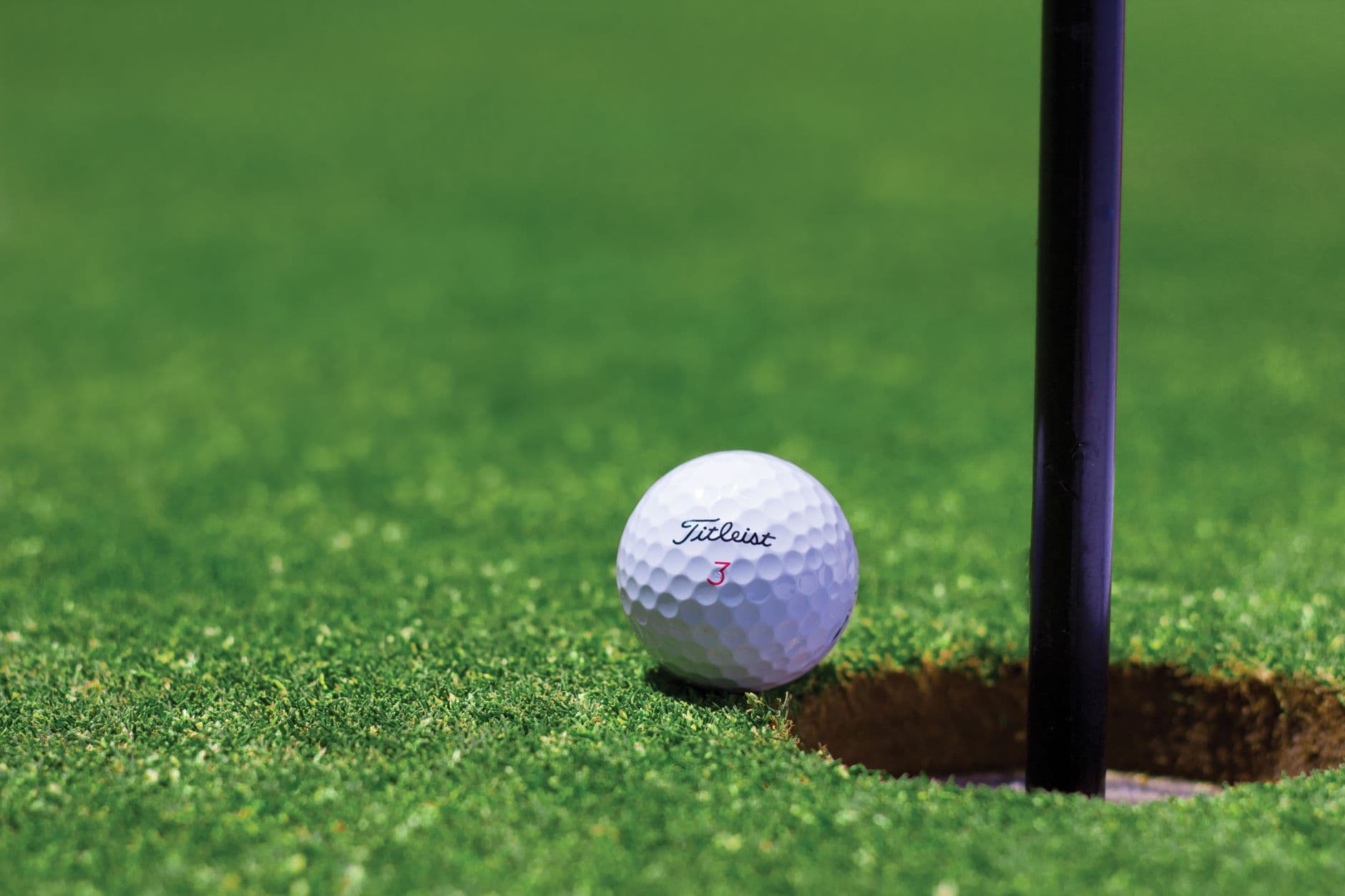
European links and heathland courses demand particular equipment considerations. The wind-exposed fairways and firm playing surfaces reward golfers who can control trajectory and spin. High-density ball construction, like that found in Attomax Pro's amorphous metal designs, offers distinct advantages in these conditions—maintaining stability through coastal gusts while providing the greenside control that firm, fast surfaces demand.
Shaft selection proves equally critical. The punishing rough at venues like Carnoustie or Royal Birkdale requires confidence through impact, where premium shaft technology helps maintain clubhead stability at the moments that matter most.
Securing Your Place: Membership and Access
Access to Europe's finest clubs varies considerably. Some maintain waiting lists measured in decades; others welcome visitors with open arms. The wisest approach involves understanding each club's culture before seeking entry.
Reciprocal arrangements between elite clubs worldwide have expanded opportunities for serious golfers. Several European venues participate in networks that grant members access to courses they might otherwise never experience.
For visitors, timing proves essential. Many clubs offer restricted public access during shoulder seasons, providing opportunities to experience championship layouts without the summer crowds. The trade-off—potential weather challenges—often enhances the authenticity of the experience.
The Future of European Golf Luxury
As golf continues its post-pandemic resurgence, European clubs face both opportunity and challenge. Demand for premium experiences has never been higher, yet the very exclusivity that defines these institutions requires careful management of access and atmosphere.
The clubs that thrive will be those that honor their heritage while acknowledging evolving expectations. This means environmental responsibility, technological integration where appropriate, and recognition that today's discerning golfer seeks meaning alongside luxury.
What remains unchanged is the fundamental appeal: the chance to walk fairways shaped by history, to face challenges that humbled champions, and to experience golf as it was meant to be played—with respect for the game, the land, and those who came before.
Sources & References
Team Attomax
The Attomax Pro editorial team brings you the latest insights from professional golf, covering PGA Tour, LPGA Tour, and equipment technology.