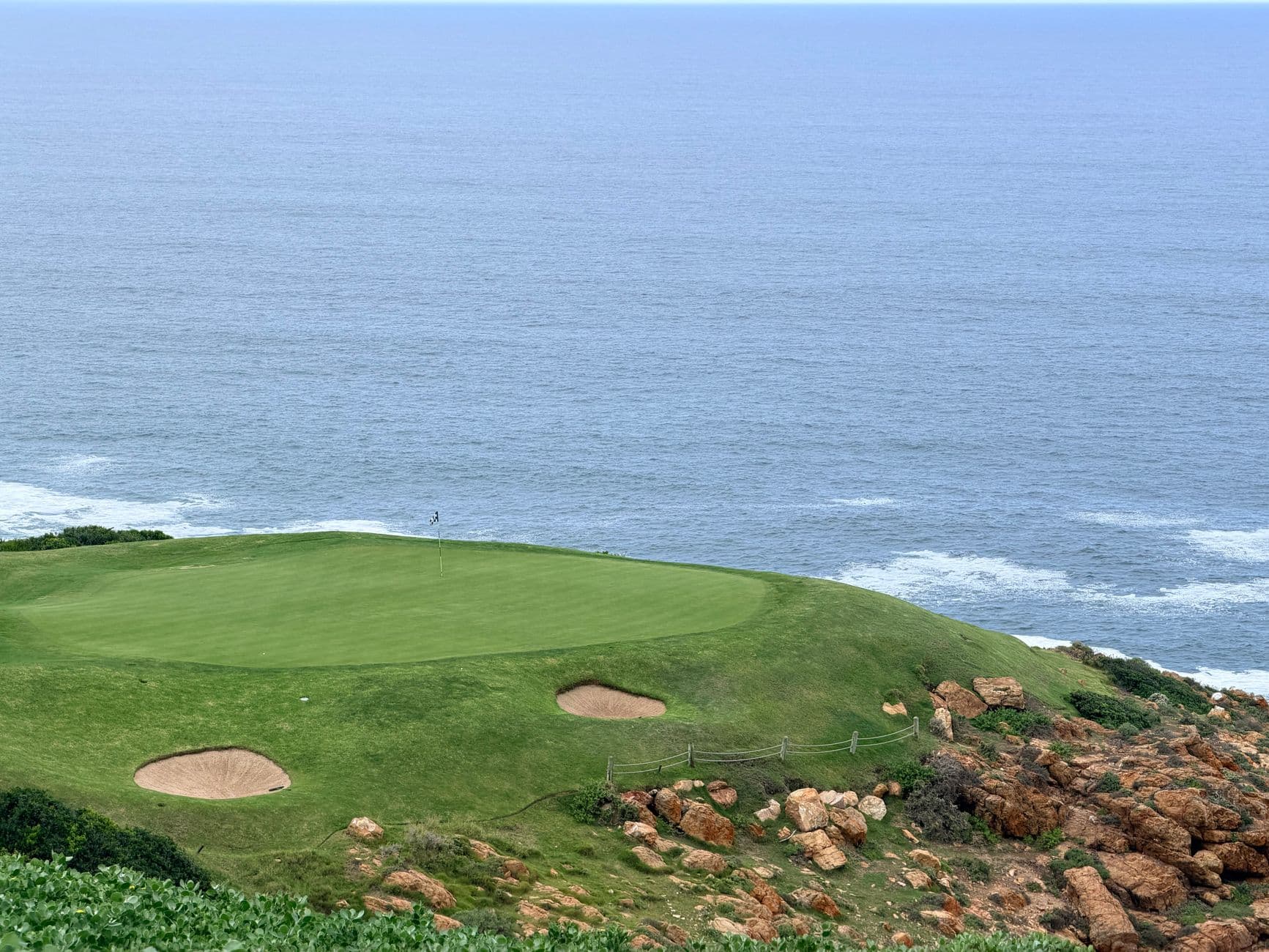
There are golf courses that feel like private kingdoms — Augusta National's immaculate Georgia pines, Shinnecock Hills' windswept exclusivity, the ancient linksland of Muirfield reserved for a privileged few. And then there is Torrey Pines South Course, a municipally owned, publicly accessible stretch of San Diego bluffs that has somehow become one of the most consequential venues in American golf. It is, without exaggeration, the people's US Open venue.
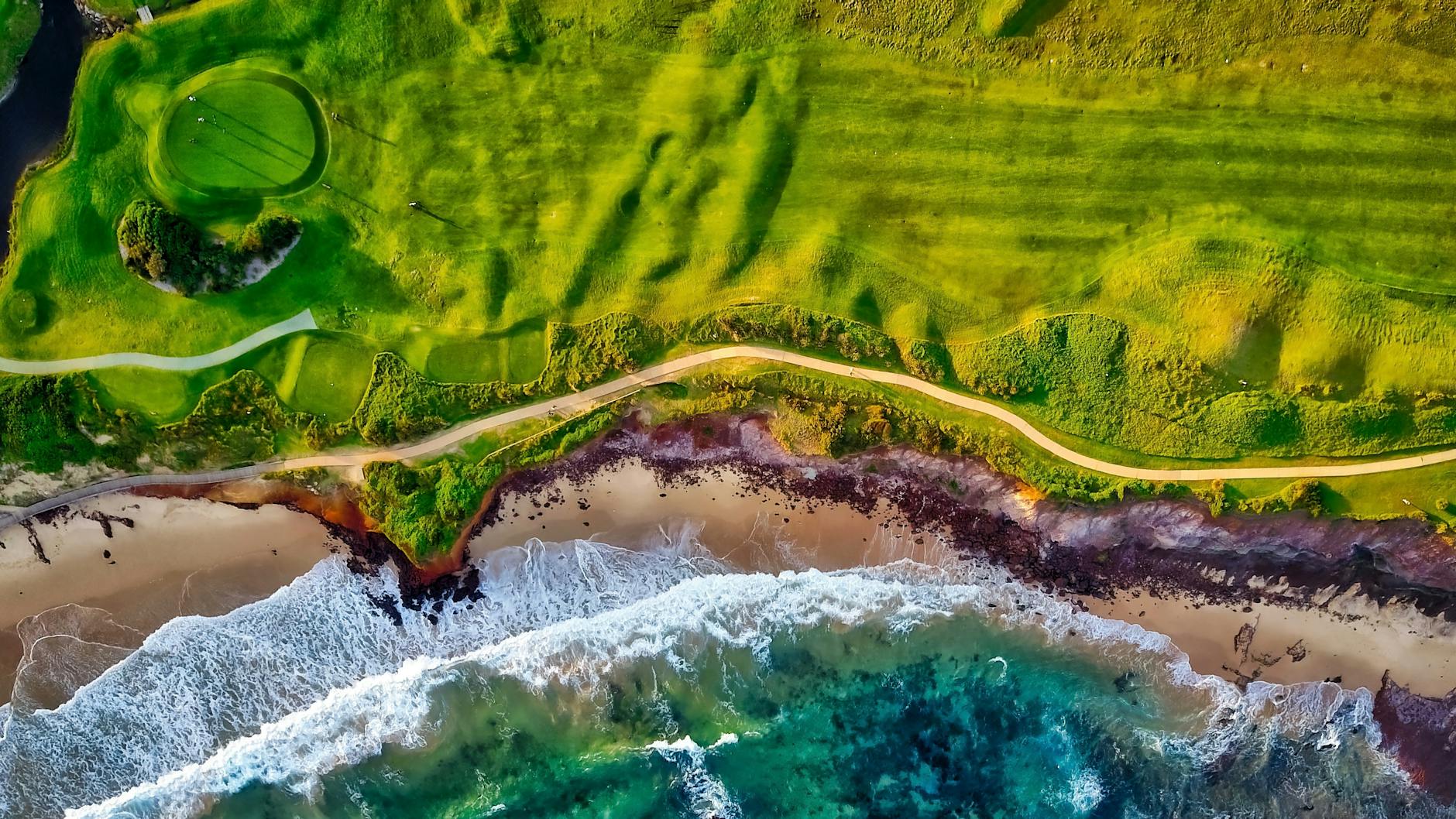
Sitting atop the coastal cliffs of La Jolla, the South Course plays at roughly 7,700 yards from the championship tees — a brutish, par-72 test that stretches through native chaparral, bends around canyon edges, and finishes with one of the most cinematic closing sequences in American tournament golf. The Pacific Ocean is always visible, always felt, and on certain afternoons, the marine layer rolls in with enough velocity to add two or three clubs to every approach.
What separates Torrey Pines from its major championship peers is the simple fact that any golfer with a tee time and a valid handicap card can play it. The City of San Diego operates both the North and South courses as public facilities, meaning the same fairways that host elite professionals are available to the weekend player who can navigate the city's booking system. That democratic accessibility is core to the course's identity — and its enduring appeal.
A Course Designed for Championship Examination
The original Torrey Pines layout was designed by William F. Bell in the 1950s, but it was Rees Jones' extensive redesign ahead of the 2008 US Open that transformed the South Course into a genuine major championship test. Jones deepened the rough, repositioned bunkers, added length, and — crucially — redesigned the contours of several greens to introduce far more complexity into approach play and putting.
The result is a course that demands complete ball-striking. Driving accuracy matters more here than raw distance on several key holes where canyon drops and native-rough penalties await errant tee shots. Greens-in-regulation percentages tend to fall sharply across a tournament week as the USGA firms up surfaces and tucks pins in positions that expose any weakness in a player's trajectory and spin control.
For the serious amateur who plays Torrey Pines regularly, the education the South Course provides is genuine. Learning to flight the ball lower against the ocean wind, managing the difficult uphill approach sequences, and reading the subtle break patterns on greens that drain toward the canyon edges — these are skills that translate directly to better course management at any demanding layout.
The Holes That Define the Championship
Certain stretches of the South Course have become as recognizable as any in American championship golf. The back nine, in particular, tightens the screws on every player who arrives at the turn with any ambition.
- Hole 12 (Par 4): A canyon-flanked dogleg that punishes any attempt to cut the corner, requiring a precise tee shot to open the correct angle into a raised, well-bunkered green.
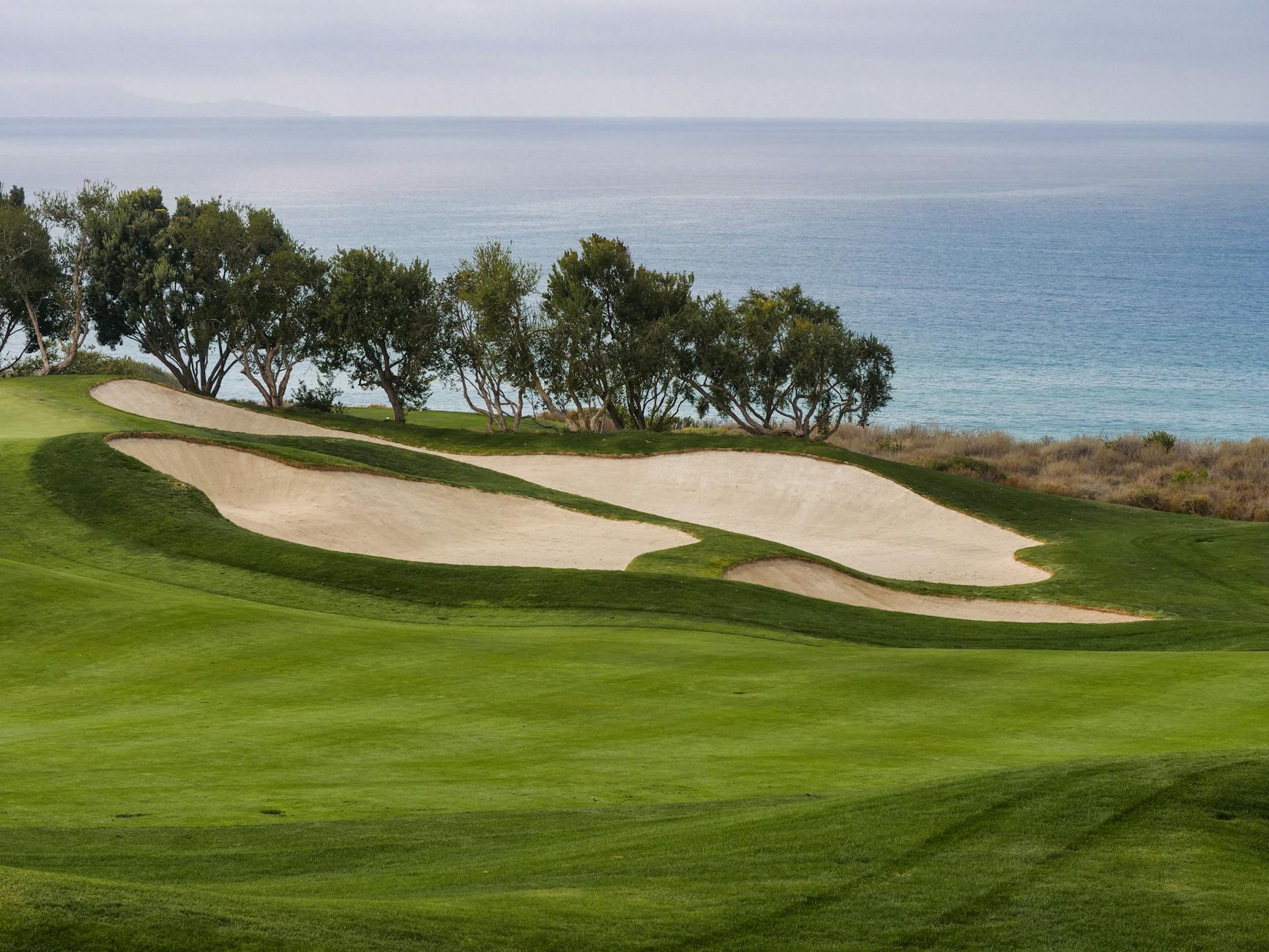
- Hole 13 (Par 5): Reachable for the longest hitters, but the approach window narrows dramatically as the green is framed by bunkers that catch any shot missing the intended trajectory.
- Hole 17 (Par 3): One of the most photographed par-threes on the PGA Tour schedule, playing across a ravine with the ocean visible behind the green — wind direction here shifts constantly and demands a real-time recalibration of club selection.
- Hole 18 (Par 5): The closing hole sweeps left along the canyon, offering birdie opportunity for those who can hold the correct side of the fairway. Under US Open conditions, it has served as the stage for some of the most memorable finishes in major championship history.
2008 and the Legacy of Torrey Pines in the Majors
The 2008 US Open cemented Torrey Pines' place in the permanent conversation about the greatest major championship venues. Tiger Woods, playing on what was later revealed to be a stress fracture and a torn ACL, defeated Rocco Mediate in an 18-hole Monday playoff — one of the most emotionally charged conclusions in the history of the US Open. The image of Woods limping down the 18th fairway on Sunday, pumping his fist after a birdie putt to force the playoff, is among the defining moments of his career and of the championship itself.
Playing on one leg and still finding a way to win — that's Torrey Pines. The course demands everything you have, and sometimes more.
— Golf industry observer on the 2008 US Open
The USGA returned the US Open to Torrey Pines in 2021, where Jon Rahm's final-hole birdie from just off the green — sinking a curling putt to win his first major title — delivered another chapter in the course's remarkable championship narrative. Two US Opens, two genuinely unforgettable finishes. The venue has earned its standing.
The Farmers Insurance Open: A Season-Opening Examination
Beyond the US Open, Torrey Pines has served as the annual host of the Farmers Insurance Open, one of the PGA Tour's most prestigious early-season events. The format — which traditionally plays both the North and South courses in the early rounds before moving exclusively to the South for the weekend — gives the field a rare dual-course examination before the final test on the championship layout.
For equipment and performance analysis, the Farmers Insurance Open provides meaningful data on how modern equipment performs in the specific coastal conditions San Diego presents: cool morning temperatures, afternoon wind shifts, and the kind of firm-but-receptive greens that reward precise spin control over raw power. Ball compression and shaft flex interact differently in 55-degree coastal conditions than they do on a warm Florida track — a point worth considering for any golfer making equipment decisions around varied playing environments. Attomax's High-Density ball lineup, engineered with compression options ranging from soft through hard, is precisely built for golfers who need consistent performance across those shifting conditions.
Why Public Access Matters to Golf's Integrity
The philosophical argument for Torrey Pines as a US Open venue is as compelling as the practical one. The United States Golf Association has, historically, been custodian of golf's meritocratic ideals — the Open is open to all who qualify, and the venues that host it carry symbolic weight. A public course, available to the handicap-carrying public on any given weekday, staging the most demanding test in American golf is an alignment of values that speaks to what the USGA is supposed to represent.
Private clubs are magnificent venues and should remain on the major championship rotation. But Torrey Pines offers something no private club can: the experience of standing on the same tee box a major champion stood on, playing the same green a US Open was decided upon, accessible without a sponsor's invitation or a member's sponsorship. That is rare, and worth celebrating.
Playing Torrey Pines: What Every Serious Golfer Should Know
If you are planning a pilgrimage to the South Course, approach it with the same respect you would a British links. The wind is non-negotiable and demands that you commit to shot shape adjustments rather than trying to overpower conditions. Play the bump-and-run where the firmness allows it. Do not chase the canyon-edge lines off the tee — the safe side of nearly every fairway on the back nine is more playable than it appears from the tee box. And bring patience: this is a course that asks questions most municipal tracks never do.
Torrey Pines South Course is not just a bucket-list destination. It is a genuinely instructive examination of a golfer's full skill set — course management, shot selection, wind reading, and mental composure under the weight of a demanding layout. That it remains accessible to the public is not incidental. It is the whole point.
Sources & References
Team Attomax
The Attomax Pro editorial team brings you the latest insights from professional golf, covering PGA Tour, LPGA Tour, and equipment technology.