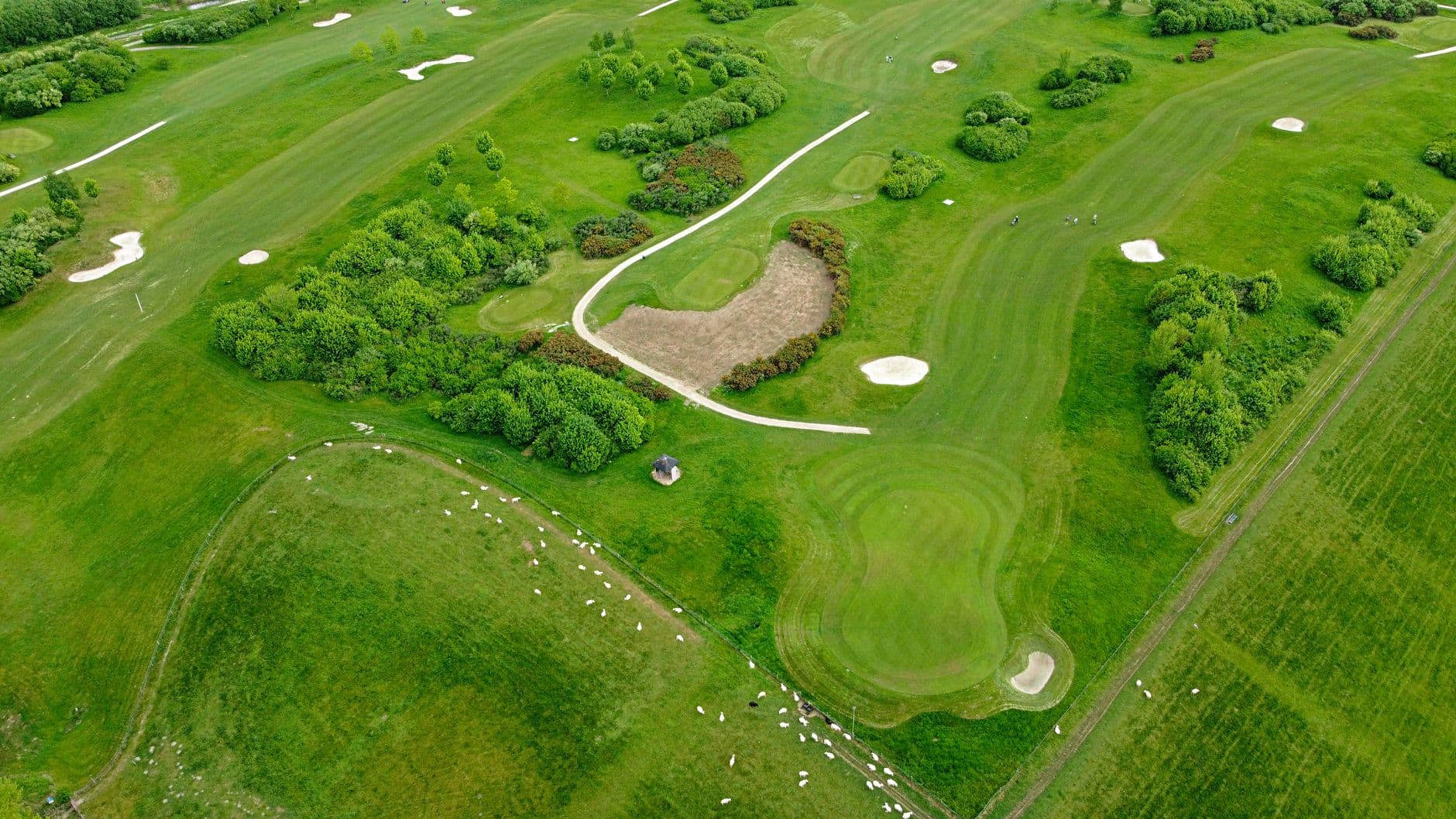
Golf course architecture represents one of sport's most fascinating intersections of art, engineering, and competitive strategy. Every bunker placement, every green contour, and every fairway angle exists as part of a deliberate conversation between designer and player—a dialogue that unfolds differently with each round.
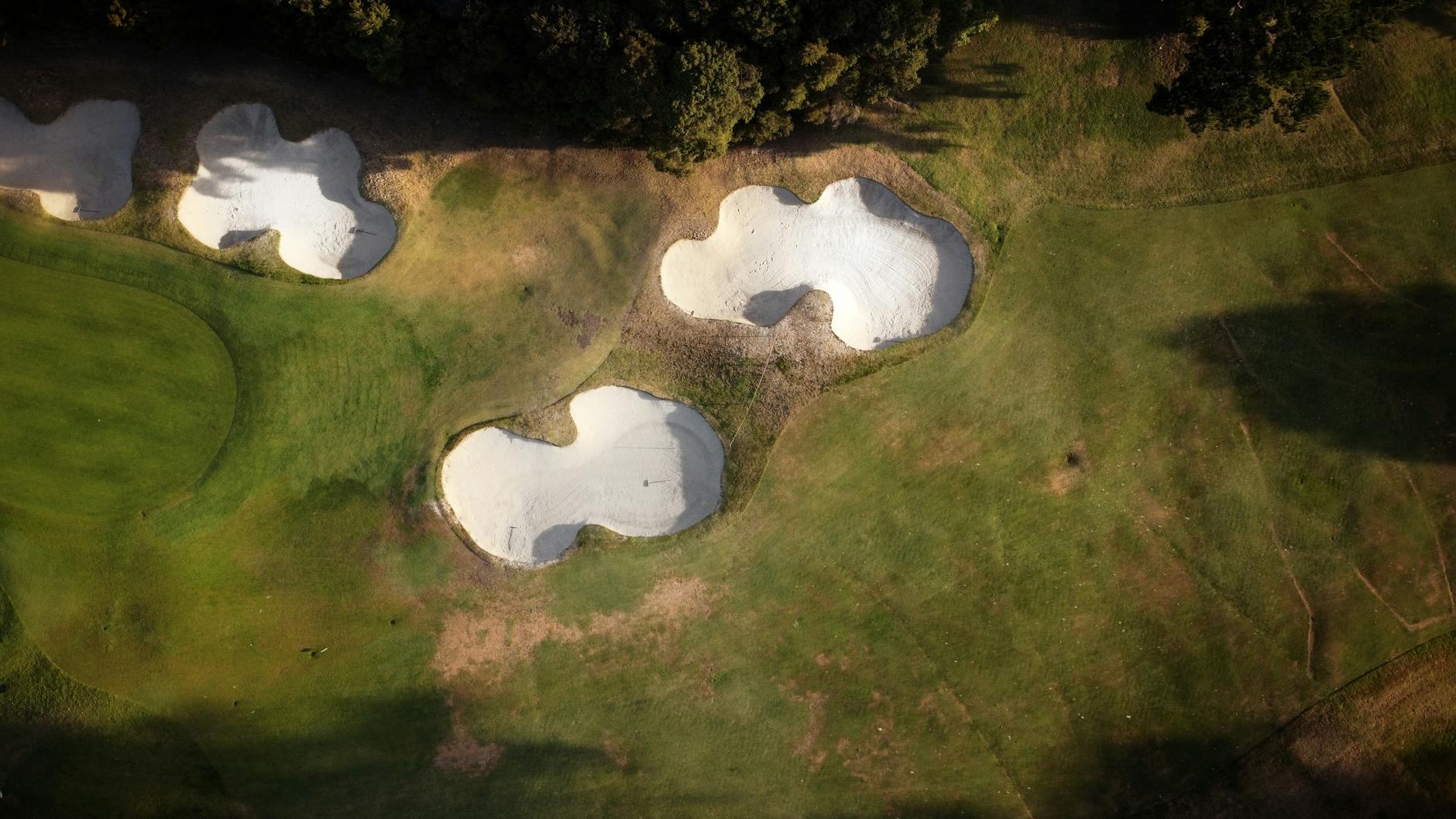
Understanding the principles behind course design does more than satisfy intellectual curiosity. It fundamentally changes how experienced golfers read layouts, select clubs, and manage risk. The architects who shaped golf's most celebrated venues left strategic fingerprints that remain relevant today.
The Evolution of Design Philosophy
Golf course architecture has progressed through distinct philosophical eras, each leaving lasting influence on how we experience the game. The strategic school, pioneered by figures like Alister MacKenzie and Donald Ross, emphasized player choice over penal hazards.
MacKenzie's philosophy centered on providing multiple routes to each hole, rewarding intelligent play rather than merely punishing poor shots. His work at Augusta National and Cypress Point demonstrates how width can create more strategic complexity than narrow corridors ever could.
Ross brought a different sensibility, crafting crowned greens and subtle collection areas that demand precision approach play. His designs reward players who understand how to work the ball into specific quadrants rather than simply hitting greens.
Reading a Course Like an Architect
When walking a new course, experienced golfers benefit from asking specific questions about design intent. Where does the architect want your eye to focus? What hazards are visible from the tee, and which remain hidden until you reach them?
- Identify the primary line of play versus alternative routes
- Note green orientation relative to ideal approach angles
- Observe drainage patterns that influence ball roll
- Study bunker placement for its strategic rather than aesthetic purpose
- Consider prevailing wind direction in hole routing
These observations transform course management from reactive decision-making into proactive strategy. The golfer who recognizes that a bunker exists to guard the ideal approach angle—not merely to punish errant shots—makes fundamentally different choices off the tee.
The Role of Green Complexes
Perhaps no element reveals architectural philosophy more clearly than green design. The putting surface and its surrounding collection areas constitute the hole's final examination, where strategic decisions made hundreds of yards earlier face judgment.

Modern green complexes often incorporate what architects call "false fronts"—areas that appear to be putting surface but actually reject approach shots. Understanding where these features exist requires studying how slopes transition from fairway to green.
Internal green contours create pin positions of varying difficulty. A green might play receptively to one quadrant while severely testing approaches to another. Championship setups exploit these variations, moving pins to areas that demand specific shot shapes and trajectories.
The object of a bunker or trap is not only to punish a physical mistake, but also to punish lack of mental control.
— Alister MacKenzie
How Equipment Influences Design
The relationship between golf course architecture and equipment technology creates ongoing tension in the sport. Courses designed for persimmon drivers and wound balls face different challenges when players arrive with modern equipment capable of dramatically different performance characteristics.
Ball technology particularly influences how architects think about strategic corridors. When players can minimize driver spin for greater distance, bunkers positioned to catch mishits at certain yardages become less relevant. This reality drives contemporary renovation projects seeking to restore original strategic intent.
High-density ball constructions, like those utilizing amorphous metal technology, offer interesting possibilities for players navigating architecturally significant courses. The ability to maintain consistent ball flight in wind—a defining characteristic of links-style designs—becomes increasingly valuable when facing exposed seaside layouts.
Adapting Strategy to Design Style
Different architectural schools demand different strategic approaches. Parkland courses with defined tree lines reward accuracy and predictable ball flight. Links layouts require imagination and the ability to play low, running shots when conditions dictate.
Resort courses often incorporate wider corridors and more forgiving green complexes, yet strategic depth emerges through risk-reward elements that tempt aggressive play. The best resort designs offer both playability for casual rounds and genuine examination for competitive golf.
- On strategic designs, prioritize position over distance off the tee
- On penal layouts, emphasize accuracy and conservative play
- On heroic holes, honestly assess your ability to execute required carries
- On links courses, embrace ground game options and punch shots
Appreciating Restoration Projects
Contemporary golf witnesses significant restoration efforts at historic venues. These projects seek to recover original design features obscured by decades of maintenance practices, tree growth, or misguided modifications.
Understanding restoration philosophy enriches the experience of playing these courses. When a club removes trees to restore strategic sight lines or rebuilds bunkers to original positions, they invite players to engage with the architect's complete vision rather than a compromised version.
The commitment to authentic restoration reflects broader appreciation for architectural heritage in golf. Players who understand these efforts connect more deeply with the courses they play, recognizing each round as participation in living history.
Bringing Architectural Awareness to Your Game
Developing architectural literacy requires intentional observation over many rounds. Before reaching for a club, pause to consider what the architect intended. Ask why hazards occupy their specific positions and what routing alternatives exist.
This mindset transforms potentially frustrating moments into learning opportunities. The bunker that catches your drive exists not as arbitrary punishment but as the architect's statement about ideal positioning. Understanding that statement—even when you fail to execute—represents growth as a strategic golfer.
Golf course architecture ultimately celebrates the game's complexity. Each layout presents a unique puzzle, solvable through different combinations of power, precision, and imagination. The players who embrace this puzzle—rather than fighting against it—discover deeper satisfaction in every round they play.
Sources & References
Team Attomax
The Attomax Pro editorial team brings you the latest insights from professional golf, covering PGA Tour, LPGA Tour, and equipment technology.