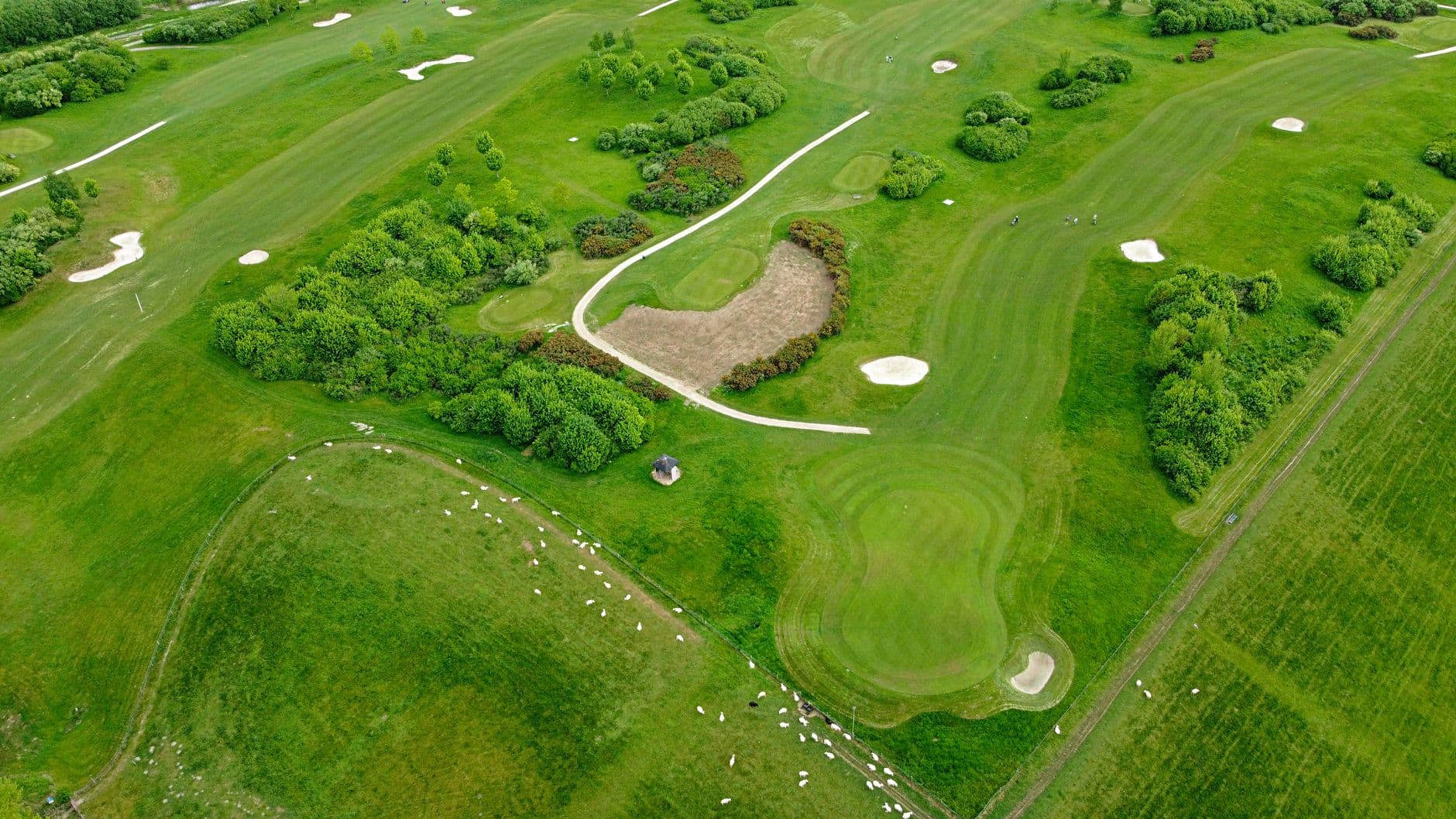
Every championship course whispers secrets to those who know how to listen. The subtle cant of a fairway, the deceptive depth of a greenside bunker, the optical illusion created by a false front—these aren't accidents. They're the calculated decisions of architects who've spent decades studying how to challenge golfers while rewarding intelligent play.
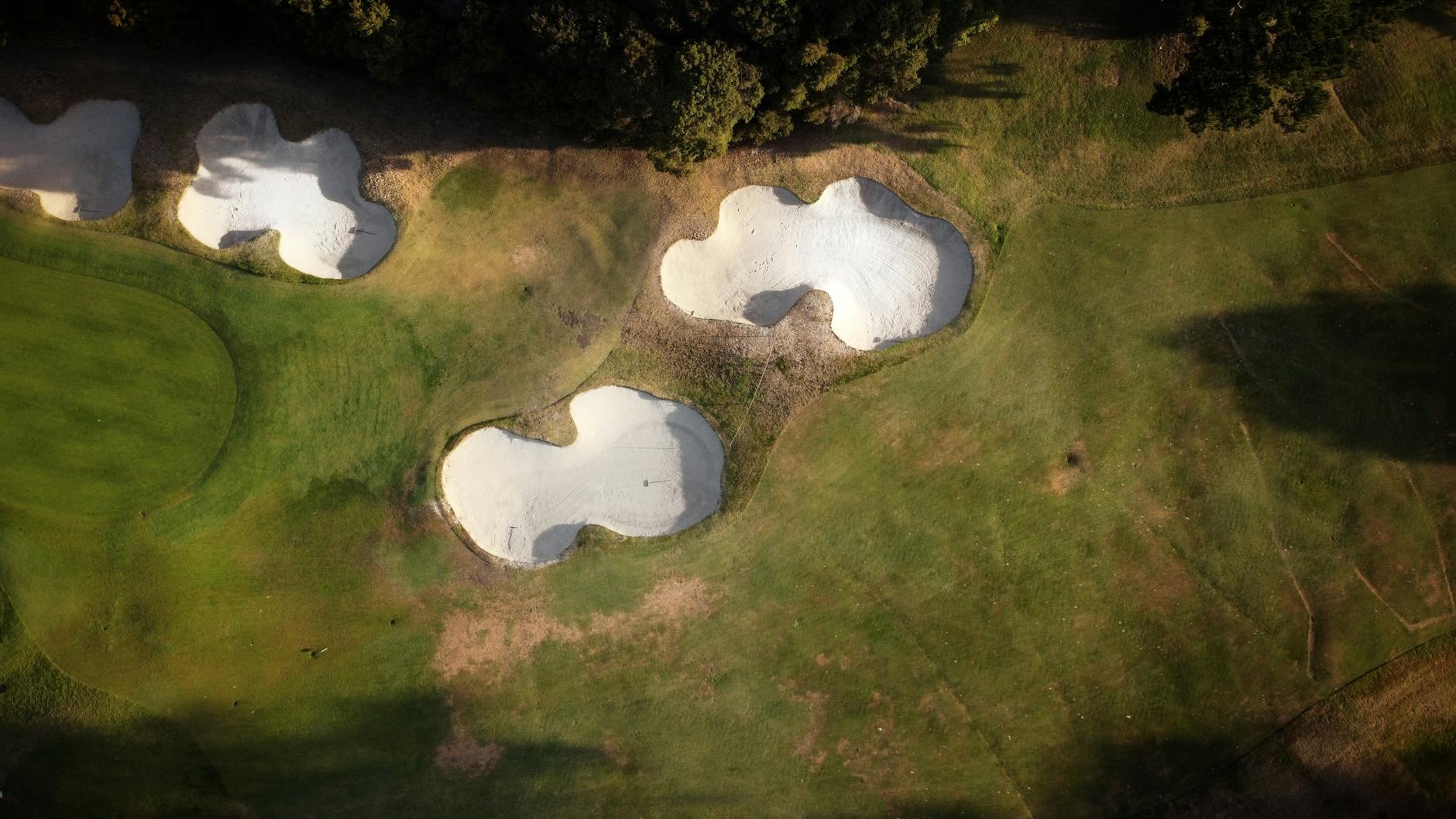
Understanding golf course architecture isn't merely academic exercise for the competitive player. It's a strategic advantage that separates those who attack courses intelligently from those who simply aim at flags and hope for favorable bounces.
The Language of Strategic Design
The golden age of golf architecture, spanning roughly from 1900 to 1940, established principles that still define championship venues today. Alister MacKenzie, whose work at Augusta National and Cypress Point remains the benchmark for strategic design, believed firmly that a course should offer multiple routes to each hole—rewarding bold play while punishing miscalculation.
This philosophy stands in stark contrast to the penal school of design, where hazards simply punish any shot that deviates from a narrow ideal line. Strategic architecture instead asks questions of the player: How much risk will you accept? Which angle unlocks the pin position? What's your bail-out, and what does it cost you?
- Strategic design offers multiple playing corridors with varying risk-reward
- Heroic holes demand carries over hazards for optimal positioning
- Penal design punishes deviation with little reward for aggression
- Minimalist architecture emphasizes ground contours over artificial hazards
Reading Hazard Placement Like an Architect
Bunkers reveal more about a hole's intended strategy than any other feature. When you see sand positioned short and left of a green, the architect is telling you something crucial: approach from the right. That bunker isn't just punishment—it's a signpost indicating the preferred angle of attack.
Fairway bunkers operate on similar principles. A diagonal hazard crossing the landing zone isn't random cruelty. It's creating decision points, forcing you to choose between laying back for safety or carrying the sand for a shorter, better-angled approach.
The ideal golf hole offers the golfer a choice of routes, with the more difficult route providing the greater reward.
— Alister MacKenzie
Next time you face a hole with intimidating bunkering, resist the urge to simply avoid sand. Instead, ask what the architect intended. Often, the most dangerous-looking line is precisely where you need to be for scoring opportunities.

The Putting Surface as Final Exam
Green complexes represent the culmination of architectural intent. Modern tournament setups often feature pin positions that only yield birdies from specific approach angles—a concept called quadrant design. Miss the correct quadrant, and even tour professionals face difficult two-putts.
Consider Augusta National's famously contoured greens. The slopes aren't decorative; they're strategic. Approach from the wrong angle at the 11th, and you're putting across severe break toward Rae's Creek. Find the correct position, and you're putting uphill with manageable speed.
Recognizing Optical Illusions
Skilled architects use visual deception extensively. False fronts make greens appear deeper than reality. Bunkers positioned slightly short of putting surfaces create the illusion they're greenside. Mounding can obscure true distances, particularly on approach shots.
- Trust your yardage over your eyes on unfamiliar courses
- Note how bunker faces affect depth perception
- Watch for false fronts by observing where approach shots actually land
- Study green surrounds to identify gathering areas versus runoff zones
Wind Integration in Coastal and Links Design
Links courses represent perhaps the purest expression of strategic architecture, where wind becomes the primary defense rather than water or heavy rough. The Old Course at St Andrews has survived centuries without significant modification because its design integrates wind as a variable that changes the playing strategy daily.
When wind shifts, entirely different holes emerge. A downwind par-4 that's reachable off the tee becomes a demanding three-shot test when playing into a stiff breeze. This variability is intentional, creating virtually unlimited strategic combinations throughout a round.
Equipment selection becomes particularly critical in these conditions. High-density golf balls designed for penetrating ball flights can provide advantages in windy conditions, maintaining trajectory and reducing the ballooning effect that plagues lighter constructions.
Modern Minimalism and Restoration Trends
Contemporary architects like Tom Doak, Coore & Crenshaw, and Gil Hanse have championed minimalist principles that harken back to golden age ideals. Their work emphasizes moving as little earth as possible, allowing natural landforms to dictate strategy rather than imposing artificial features.
Simultaneously, major venues have undergone significant restoration projects stripping away decades of modifications that obscured original architectural intent. Removing trees that altered playing corridors, restoring bunker positions to original locations, and recovering native grasses have renewed strategic relevance at numerous championship sites.
For competitive players, this trend means encountering courses that demand more creativity and shot-shaping than the target-golf designs prevalent during the 1990s and early 2000s. Reading these restored classics requires understanding historical context alongside modern conditions.
Applying Architectural Knowledge Competitively
Before your next tournament round, invest time studying the course through an architectural lens. Identify signature holes where strategy matters most. Note prevailing wind patterns and how they interact with hole routing. Observe where the architect has created bail-out areas versus penalty zones.
This reconnaissance pays dividends when pressure mounts on closing holes. Knowing that a fairway bunker is actually a positioning aid rather than pure hazard changes club selection. Understanding that a green's back-left quadrant feeds balls toward the pin transforms your target from flag to a spot twenty feet right.
Golf course architecture is ultimately a conversation across time between designer and player. Learning to listen—to read the land, interpret the hazards, and respect the strategic framework—elevates your game beyond mere ball-striking into genuine course management mastery.
Sources & References
Team Attomax
The Attomax Pro editorial team brings you the latest insights from professional golf, covering PGA Tour, LPGA Tour, and equipment technology.