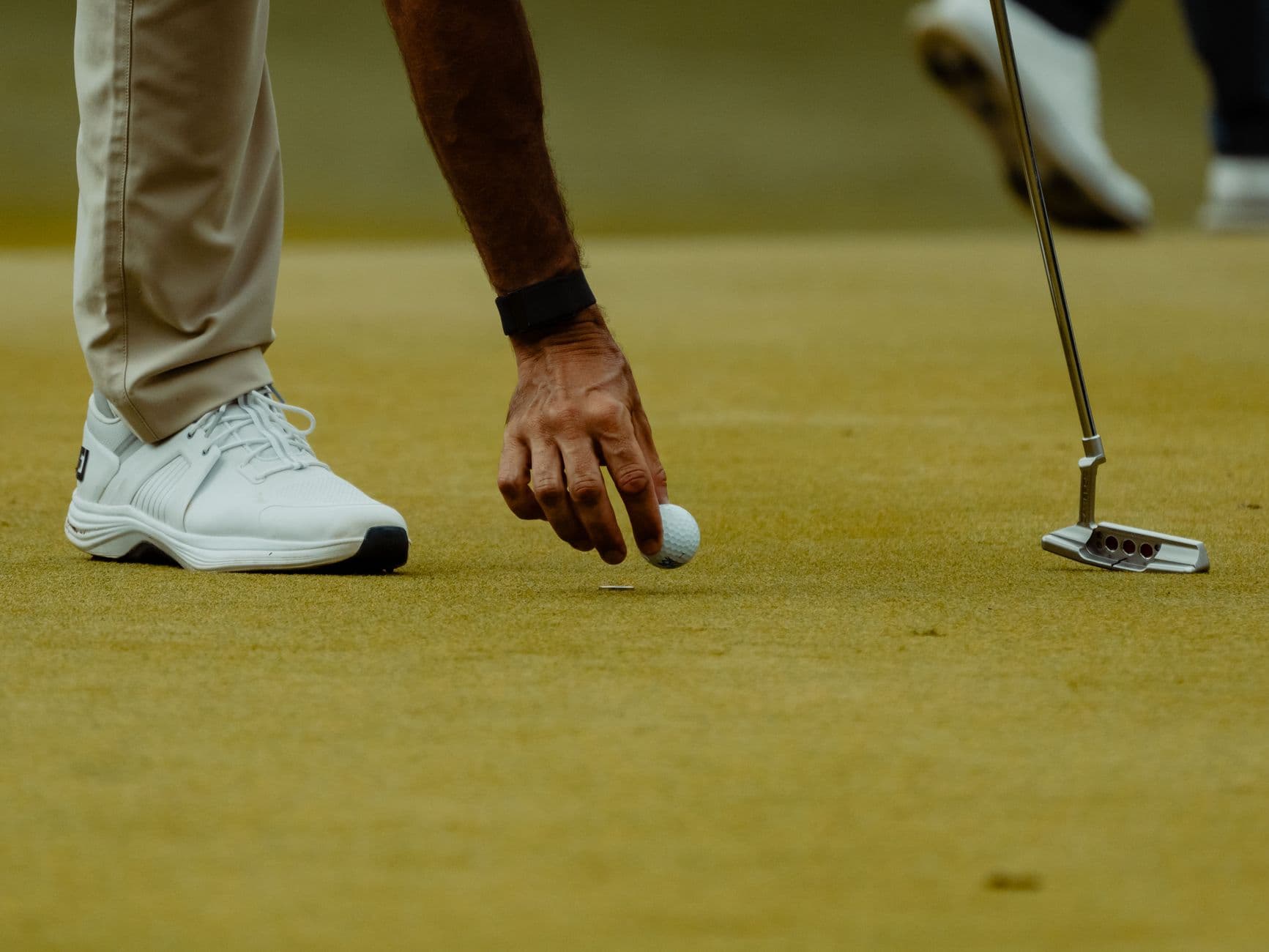
At the highest levels of professional golf, the difference between a birdie opportunity and a scrambling par often comes down to a single variable: spin. Specifically, the ability to command backspin, check-spin, and release patterns on approach shots with surgical precision. It is not luck — it is a discipline built on physics, feel, and relentless repetition.
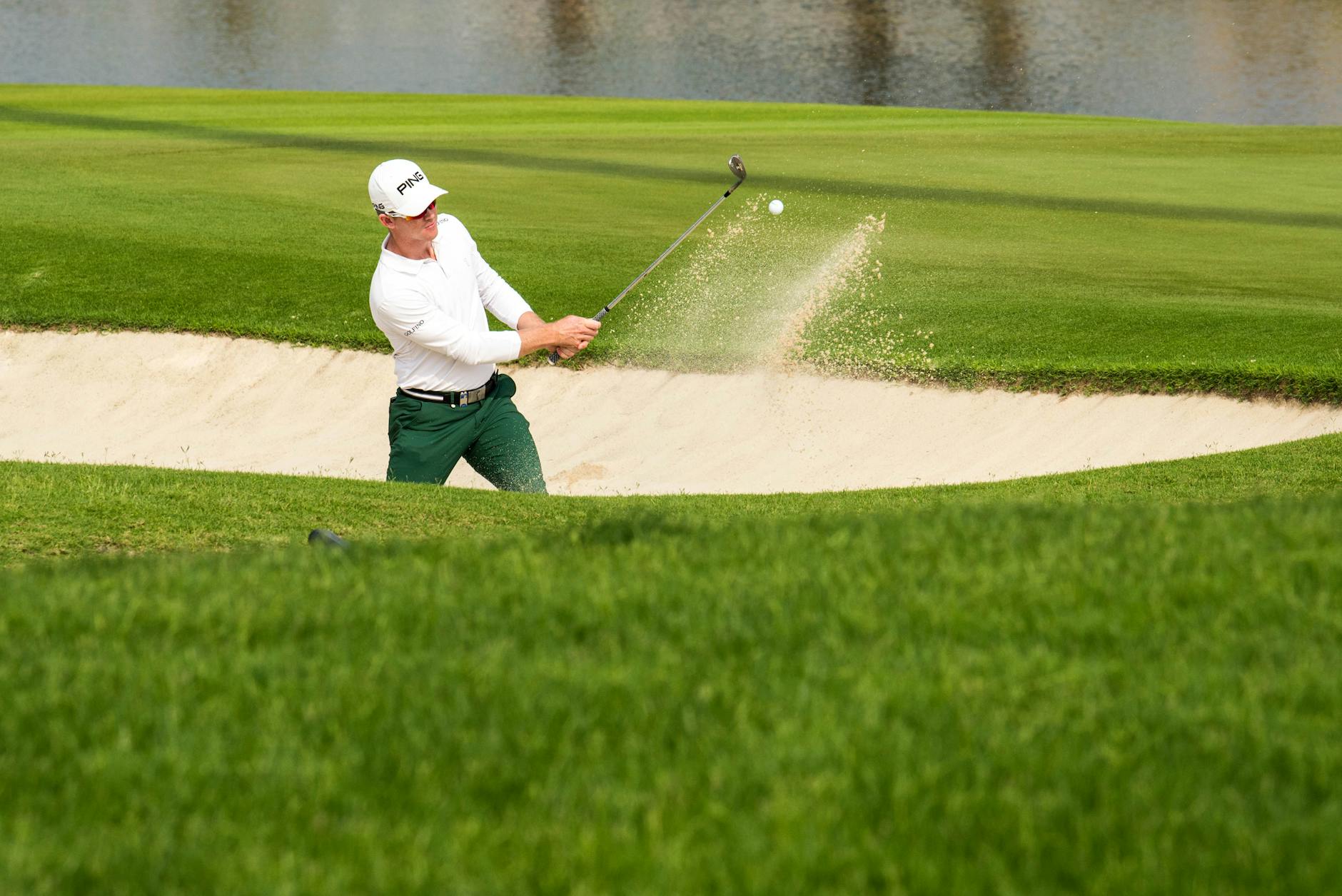
Tour professionals consistently rank wedge performance as one of the most critical metrics in their bag audit. Greens in Regulation numbers only tell part of the story — proximity to the hole on approach shots, and the ability to control where the ball stops after it lands, is where scoring averages are truly shaped.
Understanding spin control is not about mechanics alone. It is about internalizing how ball compression, club grooves, turf conditions, and trajectory all interact — then making reliable decisions under pressure from 50 to 175 yards.
The Physics Behind Wedge Spin
Backspin is generated at the moment of impact through two primary mechanisms: the friction between the clubface grooves and the ball's cover, and the angle of attack into the turf. A steeper attack angle — promoted by a forward ball position and a descending strike — increases the time the leading edge engages the ball before the sole contacts the ground, compressing the cover against the grooves and generating higher RPMs.
Groove geometry plays an underappreciated role in this equation. USGA-conforming grooves on modern wedges are engineered to channel moisture, grass, and debris away from the contact zone. In wet or dewy conditions, maintaining clean face-to-ball contact becomes far more challenging, and understanding when spin generation will be compromised is critical for course management decisions.
- Attack angle: A negative angle of attack (descending blow) is essential for generating consistent backspin from turf lies
- Spin loft: The difference between dynamic loft and angle of attack determines spin rate — wider spin loft means more RPMs
- Ball speed vs. spin: Higher ball speed slightly reduces spin efficiency, which is why partial-swing wedges often check harder than full-swing attempts
- Moisture factor: Even a thin film of water between face and ball can reduce spin by a significant margin — tour caddies wipe ball and face obsessively for this reason
- Lie angle: Tight fairway lies generate more spin than fluffy rough lies, where grass intervenes between face and ball at impact
Landing Zone Strategy: Where to Pitch, Not Just How
Elite wedge play is as much about course management as technique. Choosing the correct landing zone is an art form — one that requires reading green firmness, slope severity, pin placement relative to the green's runoff areas, and wind direction with equal weighting.
The common strategic error at the amateur level — and occasionally seen at club events — is targeting the pin rather than the optimal landing zone that gives the ball its best path to the hole. On a firm, fast green with a back-left pin, spinning a wedge aggressively into the back portion of the green is a low-percentage shot. A better play is landing short of the flag and releasing toward the hole, or selecting a higher-lofted club with a softer trajectory to land beyond the hole and pull back.
Every wedge shot is a two-part decision: where you want it to land, and where you want it to finish. If those two points are the same, you are probably not thinking deeply enough about the shot.
— Tour Caddie Wisdom
Wind management amplifies this complexity dramatically. A downwind approach with a 60-degree wedge will dramatically reduce effective spin — the headwind-assisted shots that check sharply on tour are frequently misunderstood by viewers. When wind is behind you, experienced players switch to lower-lofted clubs and three-quarter swings, preserving spin loft while keeping trajectory penetrating and predictable.

Ball Compression and Its Role in Spin Performance
One of the most overlooked variables in wedge spin performance is the golf ball itself. Compression rating and cover material directly influence how a ball interacts with the clubface at impact. Softer-cover urethane balls deform more at impact, allowing the grooves to grip the cover longer before release — producing higher spin rates across all wedge distances.
This is where ball selection becomes a strategic choice, not merely a brand preference. At Attomax, we engineered our high-density amorphous metal core technology specifically to optimize the energy transfer-to-spin balance across different compression profiles. The Attomax Soft ball is particularly well-suited for players who prioritize greenside check and stop performance, offering a responsive cover interaction that holds spin on partial wedge shots where precision is paramount. For approach shots from 100-150 yards, where both carry distance accuracy and controlled spin are required, the Attomax Medium delivers that precise equilibrium.
Partial Shots: The Most Underrated Skill in Wedge Play
Full-swing wedge shots are, counterintuitively, among the easier spin shots to execute. The real mastery lies in the 40-80 yard partial shot — the distance that does not fit cleanly into a full swing with any club in the bag. These shots require a calibrated relationship between swing length, wrist hinge, and shaft lean through impact.
The key mechanical principle: maintain the same attack angle on partial shots as on full shots. The instinct to "help" the ball into the air by releasing early kills spin loft, reduces RPMs, and produces that dreaded floaty, unpredictable ball flight that lands soft and rolls beyond the intended target.
- Commit to a specific swing length — quarter, half, or three-quarter — before addressing the ball
- Accelerate through impact; deceleration is the primary cause of inconsistency on partial wedge shots
- Maintain shaft lean at impact equivalent to your full-swing position — do not flip the hands early
- Use a lower-lofted wedge with a three-quarter swing rather than a higher-loft club with a half swing; you preserve more speed and spin predictability
- Practice with specific distance targets, not shot shapes — distance control and spin control are the same conversation
Reading Green Firmness Before You Swing
Experienced players develop an acute ability to read green receptivity — a critical pre-shot assessment that shapes every element of wedge execution. Walking onto a putting surface, the sensation underfoot, the sound of your spikes, the visible color and texture of the grass, and even the time of day all provide data points. Morning greens hold more; afternoon greens on warm days can become board-firm.
On links-style courses, where firm and fast conditions are the default, the conventional spin-and-stop attack becomes largely ineffective. The professional response is to land the ball well short of the green and use the ground game — bump-and-run trajectories that remove aerial spin variables entirely. The Attomax Medium and Hard balls excel in this scenario, providing the penetrating trajectory and predictable roll-out that firm conditions demand.
Building a Repeatable Wedge System
The players who consistently contend at tournament level do not leave their wedge distances to feel alone. They build a structured yardage system — typically three to four swing lengths with each wedge in the bag, producing known carry distances — and they practice those specific yardages under varying conditions until the calibration becomes instinctive.
That system, combined with the discipline to select the right ball for the conditions, separates players who "get up and down" from players who win tournaments. Spin control is not a single skill — it is an ecosystem of knowledge, preparation, and decisive execution built over thousands of repetitions. But every element of that ecosystem starts with knowing exactly what your equipment does, and choosing it deliberately.
Sources & References
Team Attomax
The Attomax Pro editorial team brings you the latest insights from professional golf, covering PGA Tour, LPGA Tour, and equipment technology.