No single equipment variable undermines ball-striking consistency more quietly than a mismatched shaft. You can own the most precisely engineered clubhead on the market, but if the shaft flex or weight profile is fighting your swing speed, you're leaving yards, accuracy, and spin control on the table every single round.
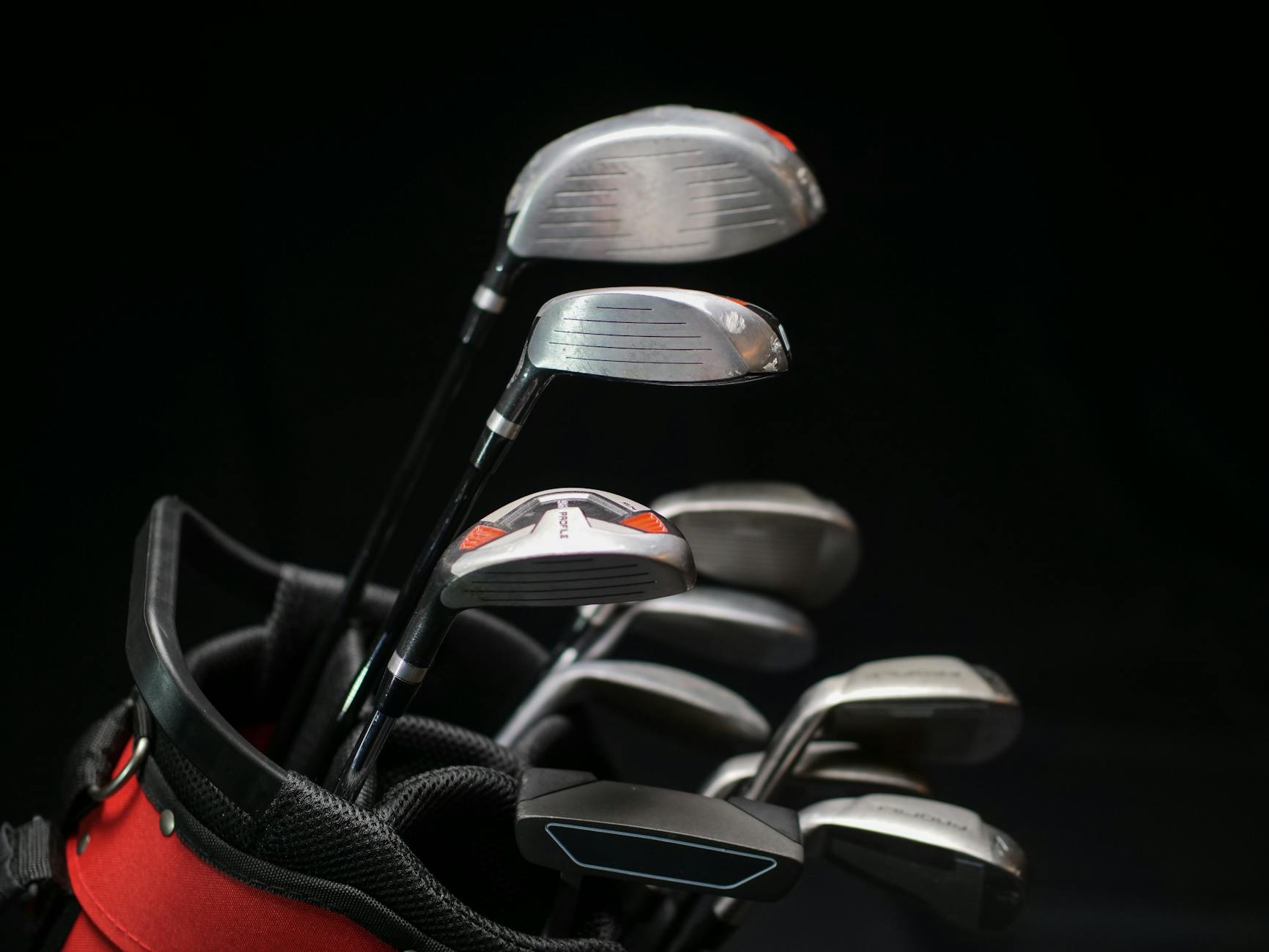
Shaft fitting has evolved from a rough four-category system — Ladies, Senior, Regular, Stiff — into a nuanced discipline that accounts for swing speed, tempo, transition force, launch angle, and even course conditions. Understanding the interplay between flex and weight is essential for any serious player looking to optimize their game.
Why Flex Is About More Than Swing Speed
Shaft flex is commonly sold on swing speed thresholds, and those benchmarks serve as a useful starting point. A driver swing speed below 75 mph generally points toward Senior flex; 75–84 mph toward Regular; 85–95 mph toward Stiff; and 95+ mph toward Extra Stiff. But treating these numbers as definitive is where many players go wrong.
Transition aggressiveness — how sharply and quickly you change direction at the top of the backswing — often matters as much as peak speed. A player with a smooth, late-releasing tempo at 88 mph may actually load a Regular flex more efficiently than a Stiff, generating superior energy transfer and a penetrating ball flight. Conversely, a forceful, early-transition player at the same speed can over-flex a Regular shaft, producing inconsistent contact and erratic launch conditions.
- Swing speed alone does not determine optimal flex — tempo and transition force are equally critical variables
- Over-flexed shafts tend to produce high, ballooning launch with excessive spin and a loss of control
- Under-flexed shafts restrict energy release, resulting in low, driving ball flights that lack carry distance
- Kick point (bend profile) interacts with flex: low kick point promotes higher launch; high kick point suits aggressive swingers seeking a penetrating trajectory
Shaft Weight: The Variable Most Golfers Ignore
Weight is where recreational players and even low-handicappers frequently leave performance on the table. Driver shafts typically range from approximately 40g on the ultralight end to 80g+ for heavy tour-preferred options, with irons running considerably heavier. The weight affects not just clubhead speed but — critically — swing plane consistency and timing.
Lighter shafts allow higher swing speeds, which is why many senior and mid-swing-speed players benefit from moving down in shaft weight. However, below a certain mass threshold, the shaft becomes difficult to control, especially under pressure. The club can feel 'whippy' through the zone, promoting an over-active release and blocked or hooked shots on poor swings.
Heavier shafts offer superior stability and feel, particularly for faster swingers who need resistance to prevent over-rotation. Tour professionals generally play iron shafts in the 110–130g range precisely because that mass supports their high-speed, high-force delivery. Matching shaft weight to your physical strength and swing mechanics — not just your ego — is what separates a properly fitted set from an expensive mistake.
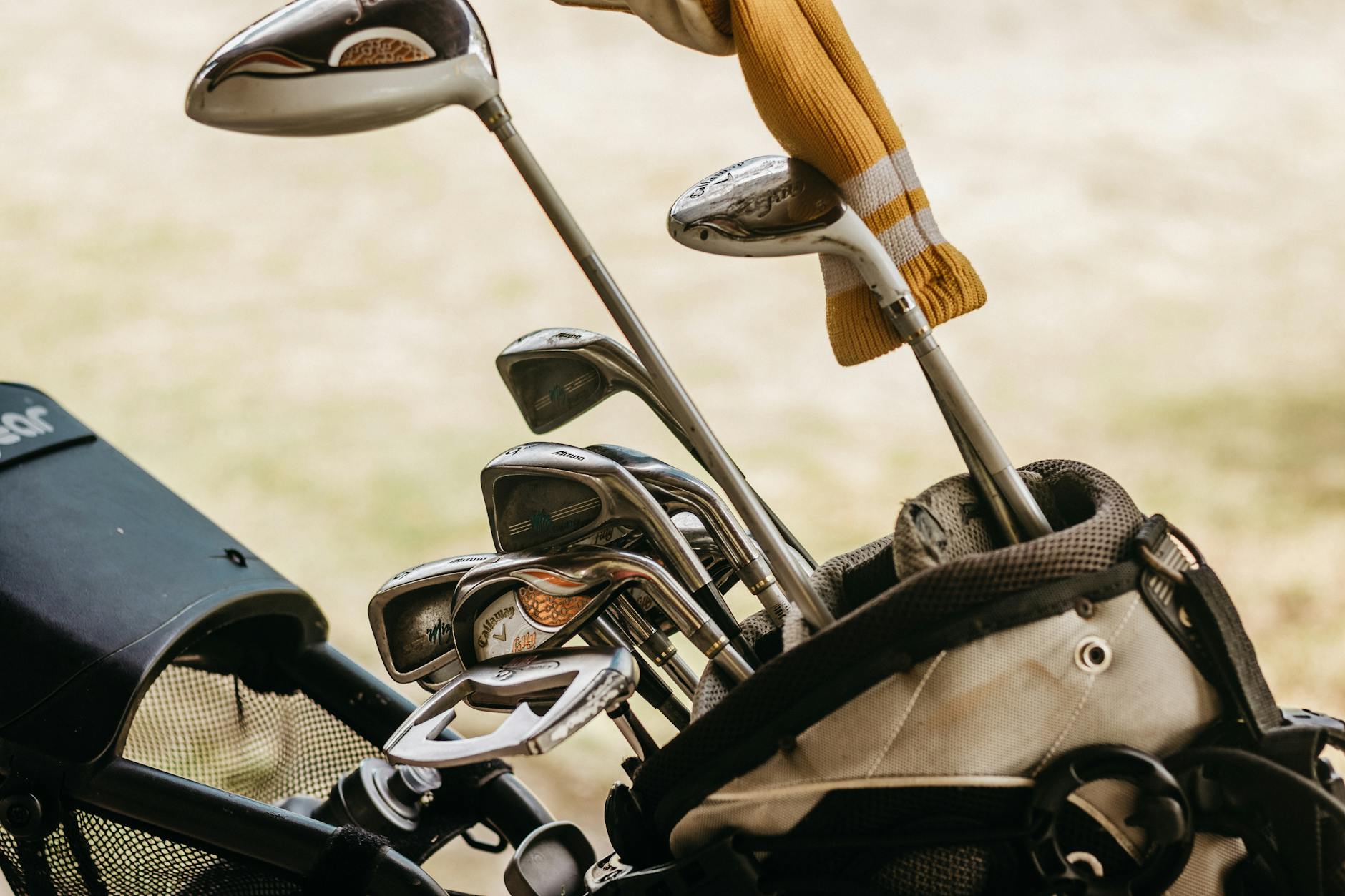
The Flex-Weight Interaction in Practice
Here is where shaft selection becomes genuinely sophisticated: flex and weight do not operate in isolation. A lighter shaft in a stiffer flex can behave similarly to a heavier shaft in a softer flex, depending on how the player loads the club. This is why two players with identical measured swing speeds can legitimately require very different shaft profiles.
Consider a scenario on a links course playing into a stiff headwind. A medium-swing-speed player using a lighter Regular flex might balloon the ball into the wind due to excess spin and a high launch angle. Stepping up to a Stiff flex in the same lightweight shaft could suppress launch efficiently. Alternatively, staying in Regular flex but adding 10–15g of shaft weight can stabilize the swing plane and tighten dispersion — a classic strategy for windy conditions that requires no flex change at all.
Golfers obsess over the head, but the shaft is the engine. Get that wrong and the whole machine underperforms, regardless of how premium the clubface is.
— Common axiom among PGA Tour club fitters
How Ball Compression Ties Into the Equation
Shaft selection does not exist in a vacuum — it interacts directly with your ball choice. A shaft that optimizes your launch and spin profile will only deliver its full benefit if the ball compression is equally matched to your swing speed and delivery. Players using a high-compression ball on a swing speed that cannot properly compress it will see flat launch angles, limited rebound, and reduced carry — regardless of how well-fitted the shaft is.
This is precisely where Attomax's High-Density Amorphous Metal golf ball technology becomes a compelling part of the fitting conversation. The Attomax lineup — Soft, Medium, and Hard compression variants — is engineered to respond to real swing-speed ranges, not marketing archetypes. A player fitted into a stiffer, heavier shaft profile who squares up with genuine clubhead speed will find the Attomax Hard delivers the penetrating, low-spin trajectory that premium shaft engineering is designed to produce. For moderate-speed players running a lighter Regular flex, the Attomax Soft allows proper compression and efficient energy transfer without requiring tour-level mph to activate the core.
Getting Properly Fitted: What to Expect
A rigorous shaft fitting session should include launch monitor data across multiple shafts in both flex and weight variants. Key metrics to analyze include ball speed, smash factor, spin rate, launch angle, and shot dispersion. A single session of hitting several representative shafts under consistent conditions will reveal patterns that no online swing speed calculator can replicate.
- Establish your baseline: Record driver swing speed across at least 10 swings under calm, non-fatigued conditions
- Assess tempo: Work with a fitter or video analysis to categorize your transition as smooth, moderate, or aggressive
- Test weight first: Compare a lighter and heavier option in your approximate flex before changing flex
- Track dispersion, not just distance: A shaft that adds 3 yards but doubles your miss width is not an upgrade
- Re-test with your actual ball: Shaft fittings done with a range ball give you incomplete data — use your gamer
Shaft fitting is not a one-time exercise. As swing speed evolves with fitness changes, swing instruction adjustments, or simply the natural progression of age, what worked in your bag three seasons ago may now be subtly working against you. Periodic retesting — particularly after any significant swing changes — is standard practice at the professional level for good reason.
The investment in a proper shaft fitting, paired with a ball compression that genuinely matches your delivery, is among the highest-return equipment decisions you can make. Everything else — the head geometry, the face technology, the premium finish — performs to its designed potential only when the shaft beneath it is precisely right.
Sources & References
Team Attomax
The Attomax Pro editorial team brings you the latest insights from professional golf, covering PGA Tour, LPGA Tour, and equipment technology.