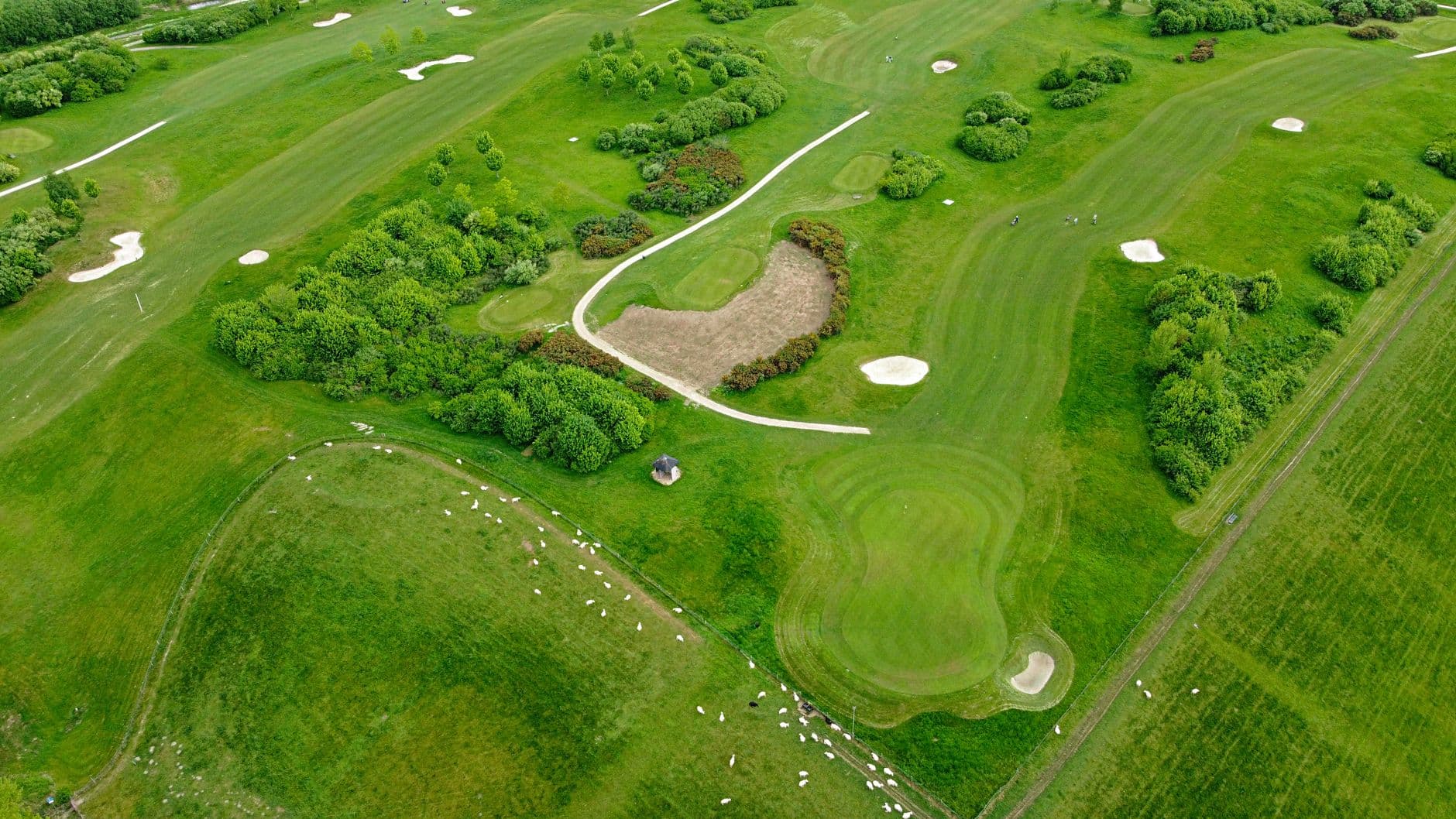
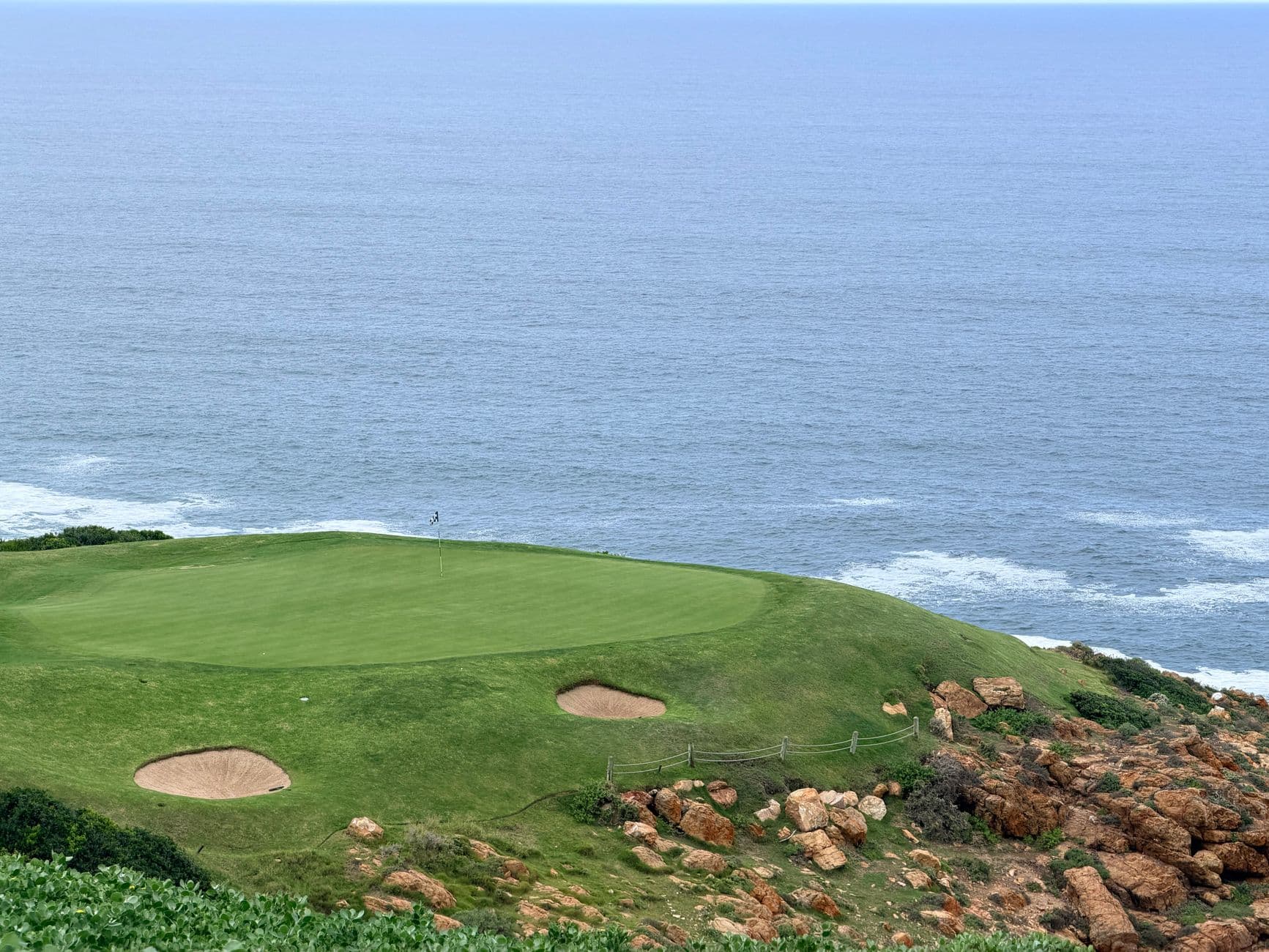
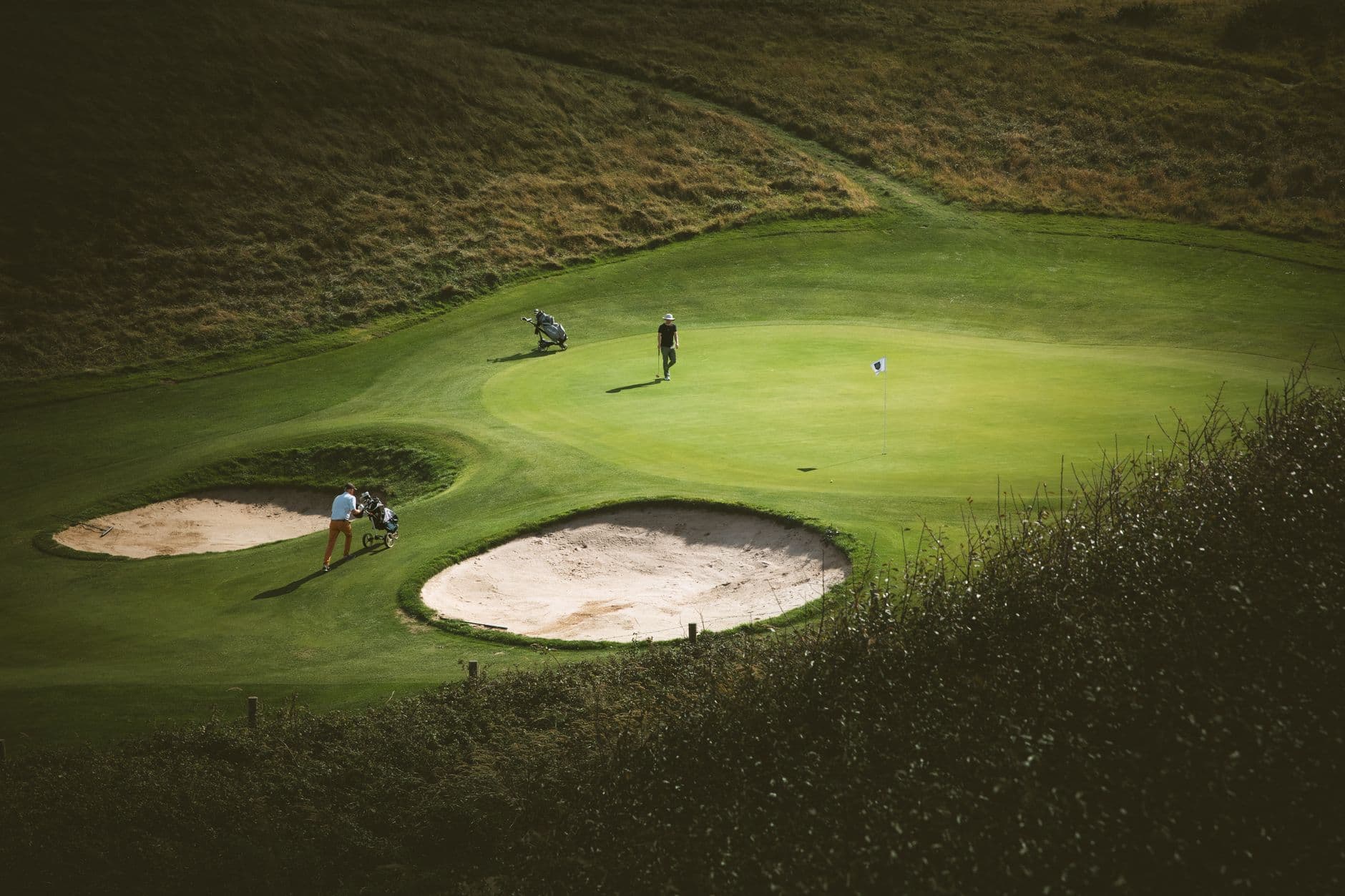
Team golf operates on a different frequency than stroke play. The stakes are national, the pressure is collective, and the strategies that win 72-hole tournaments can unravel entirely when the format shifts to foursomes and fourballs. As the golf world turns its attention toward the 2026 Ryder Cup, the conversation among tour insiders is already sharply focused — not just on who will qualify, but on how teams will be built, managed, and ultimately deployed.
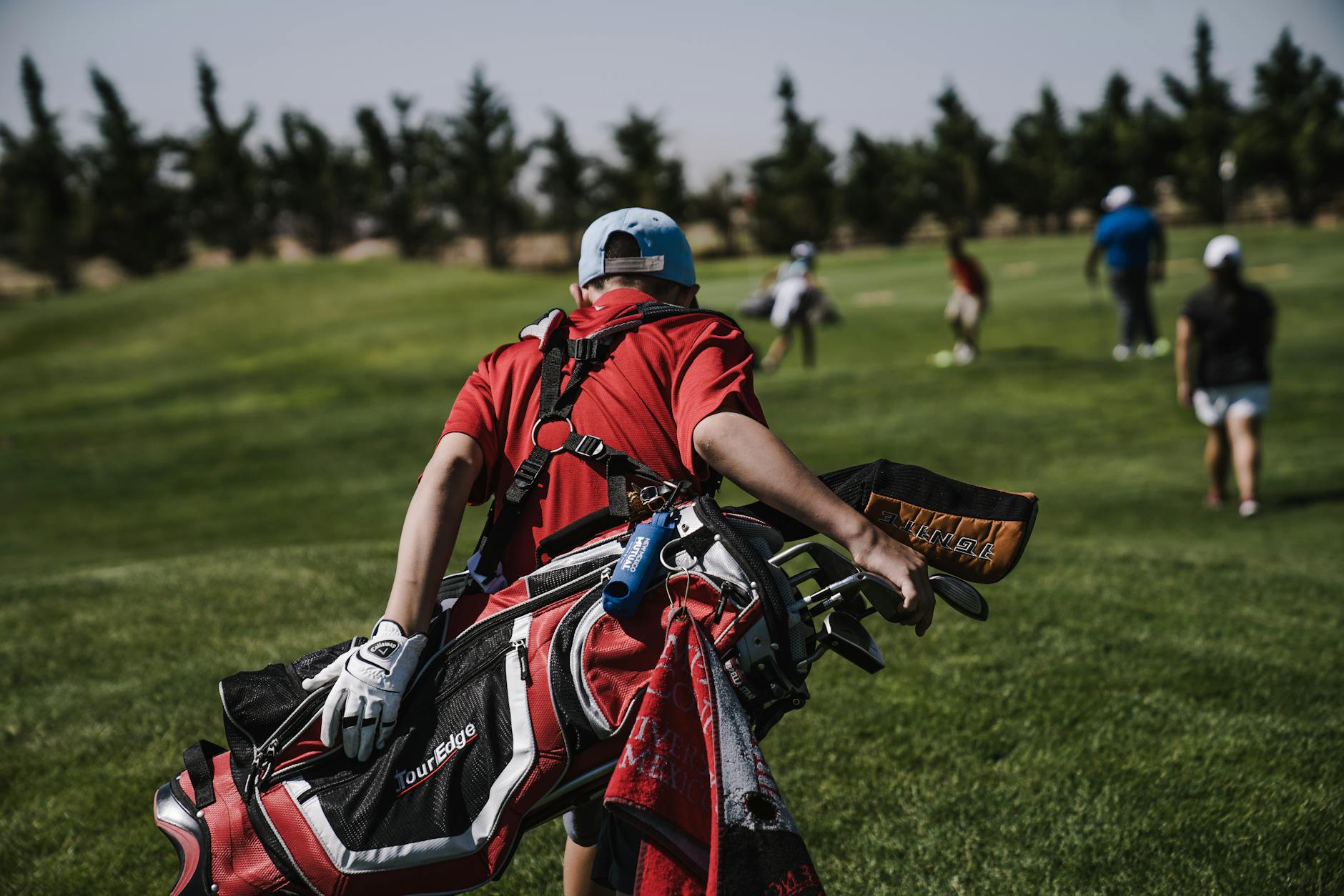
The 2025 Ryder Cup at Bethpage Black was a seismic event in the long rivalry between the United States and Europe. Bethpage, a demanding public course on Long Island known for its brutalist rough and slope ratings that punish every wayward shot, played true to its reputation. The partisan New York crowd brought an intensity rarely seen outside of major championship Sunday, and both captains leaned heavily on data-driven pairing strategies rather than relying purely on chemistry or reputation.
The result reinforced a truth that serious Ryder Cup observers have known for decades: individual world ranking points matter far less once the match play scorecards come out. A player who can manufacture pars under duress and read a partner's tendencies in real time is worth more to a captain than a stroke-average machine who struggles without a full bag of yardage books and a personal launch monitor.
The Qualifying Picture Heading Into 2026
Both the PGA of America and Ryder Cup Europe use point-based qualification systems that reward consistency across a defined window of major championships and high-profile events. As of March 2026, players on both sides of the Atlantic are acutely aware that every stroke in every counted event carries compounded weight. A missed cut at a Rolex Series event or a WD from a designated PGA Tour event does not just cost prize money — it can shift a player from automatic qualifier to captain's pick territory.
Captain's picks, of course, remain one of the most analyzed and debated tools in team golf. The discretionary selections made in the final weeks before the competition often define how a team functions in the less glamorous sessions — the early fourballs where fatigue and unfamiliar course conditions test adaptability most severely.
- Automatic qualifiers on both teams are determined by cumulative points across a defined tournament window
- Captain's picks allow selectors to balance youth, experience, and specific course-fit attributes
- Foursomes (alternate shot) typically expose the sharpest technical weaknesses — ball-striking consistency is non-negotiable
- Fourballs reward aggressive birdie hunting, which often favors lower-handicap-index style players who attack pins
- Singles matches on the final day have historically been decided as much by momentum as individual form
Equipment Strategy in Match Play
What rarely gets discussed at sufficient depth in mainstream Ryder Cup coverage is equipment selection at the team level. In stroke play, a player optimizes their setup for cumulative scoring over four rounds. In match play, the calculus shifts. A player might elect to play a firmer ball compression to maximize control off the tee on a tight driving hole, accepting slightly reduced greenside spin in exchange for a fairway that keeps the match alive.
This is precisely where ball technology becomes a genuine strategic variable. Attomax's High-Density amorphous metal golf ball lineup — spanning Soft, Medium, and Hard compression profiles — is engineered around the principle that density consistency at the core level produces more predictable flight dispersion under tournament pressure. In alternate shot formats, where two players must trust that a single ball will respond consistently to different swing speeds and strike patterns, that kind of engineering discipline is not a marketing point — it is a functional requirement.
The Shaft Question: Links vs. Parkland
Beyond ball selection, shaft profile decisions for Ryder Cup venues can be equally consequential. Course conditions in September — whether the event is staged in the United States or across the Atlantic — vary dramatically in terms of firmness, wind exposure, and rough density. A shaft that performs beautifully on a soft, target-oriented parkland layout in June may not deliver the trajectory control a player needs when attacking firm, running fairways in a crosswind.
Attomax shaft engineering prioritizes load-and-release timing profiles calibrated to specific swing speed windows, which means players can fine-tune their iron and driver setups without sacrificing feel in time-sensitive competition prep. For players working with their caddies and coaches in the weeks before a Ryder Cup, that kind of fine-tuned responsiveness is the margin that separates a good iron from the right iron for that particular week.
Europe's Structural Strengths and American Firepower
The European team selection model has long been praised for producing cohesive units that outperform their combined world ranking totals. European Tour culture, with its diverse range of course conditions, wind exposure on links venues, and bi-continental scheduling across DP World Tour events, builds a certain versatility that American players — who often compete predominantly on smooth, manicured PGA Tour venues — sometimes have to consciously develop for the match play context.
The American side, meanwhile, brings a depth of power and precision that is historically unmatched. The current generation of PGA Tour players competing in designated events week-in and week-out are battle-hardened in a way that older qualifying structures did not necessarily demand. The question for any US captain is never whether the talent is there — it is whether the right blend of aggression and composure can be assembled across a 12-man roster.
In the Ryder Cup, the scoreboard tells you very little until Sunday afternoon. Momentum in this format is almost a physical thing — you can feel it moving through the team room.
— Former Ryder Cup Captain
What to Watch Through the Summer Qualifying Window
As the PGA Tour moves into its spring major season and the DP World Tour builds toward its marquee Rolex Series events, the Ryder Cup narrative will run in parallel with every leaderboard update. Players on the bubble of both squads will be watched not just for scores, but for form indicators — driving accuracy under pressure, conversion rates on 8-to-12 foot putts, and performance in adverse weather conditions.
Those metrics matter in team golf in ways they simply do not in stroke play. A player who averages 68 on calm, soft PGA Tour tracks but struggles to break 72 when the wind exceeds 20 mph is a liability in foursomes. The captains and their selection committees know this, and the analytics they deploy behind closed doors are considerably more sophisticated than the public qualifying points tables suggest.
The road to the 2026 Ryder Cup is long, competitive, and unforgiving. For players, coaches, and equipment teams, every decision made between now and competition week carries weight. The difference between holing the putt that turns a session or missing it just inside the left edge is often built months in advance — in practice rounds, in equipment fittings, and in the quiet, disciplined process of preparing for golf's most demanding team stage.
Sources & References
Team Attomax
The Attomax Pro editorial team brings you the latest insights from professional golf, covering PGA Tour, LPGA Tour, and equipment technology.