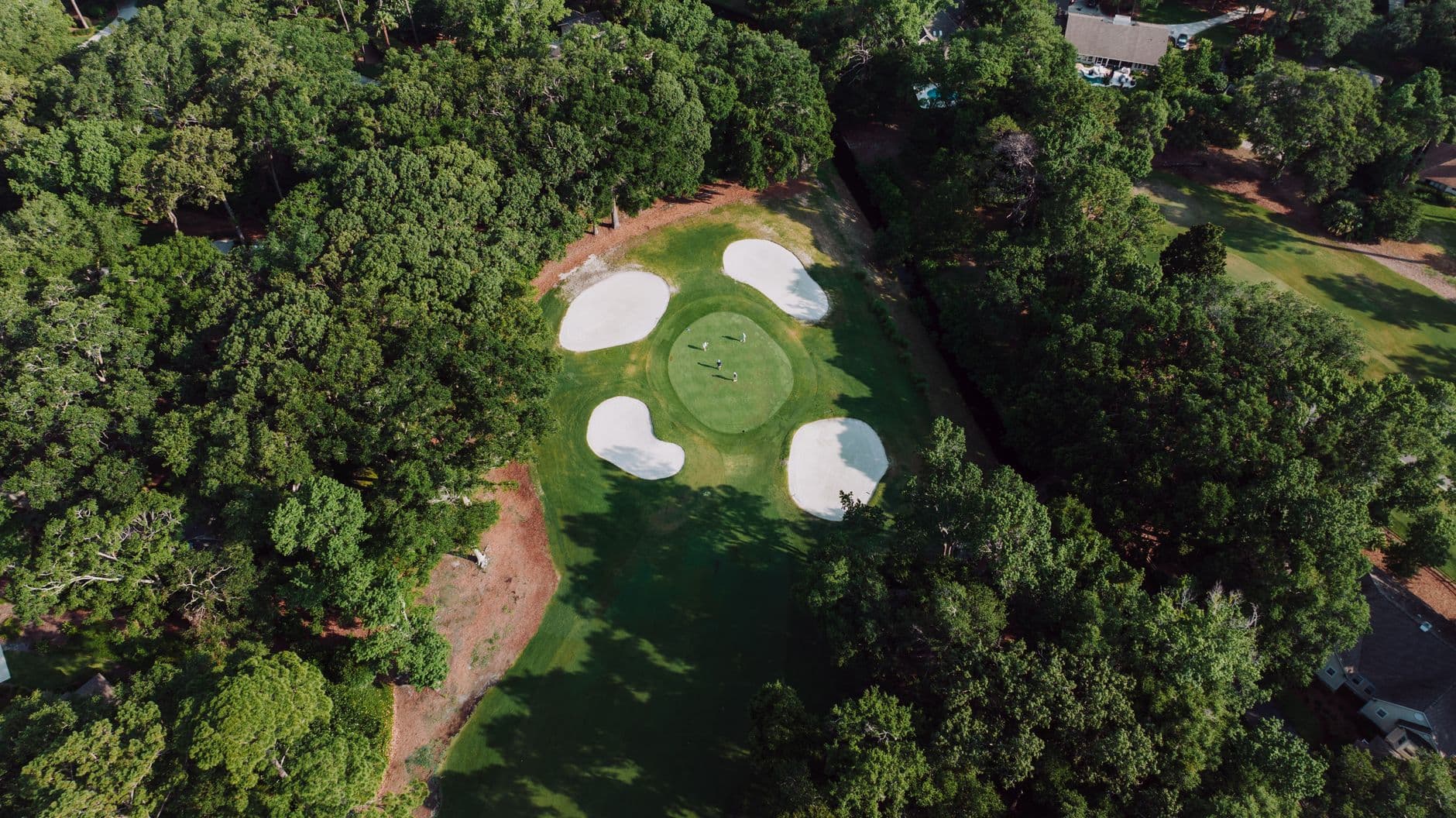
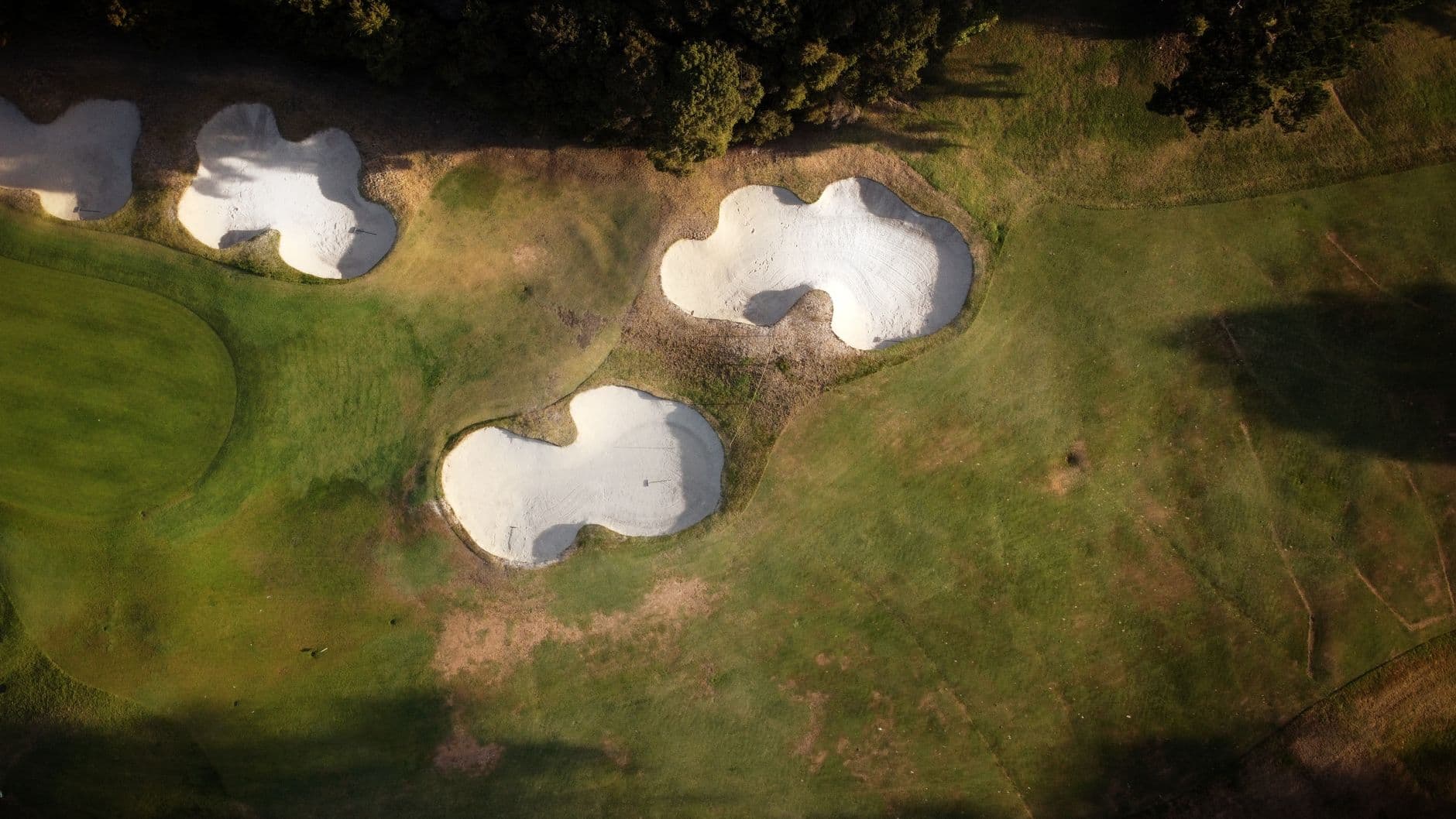
The 2026 PGA Tour season is hitting its stride as we move deeper into February, with the West Coast Swing providing crucial early-season indicators of player form and equipment performance. While the calendar year may still feel young, these tournaments carry significant weight for players building momentum toward the major championship season.
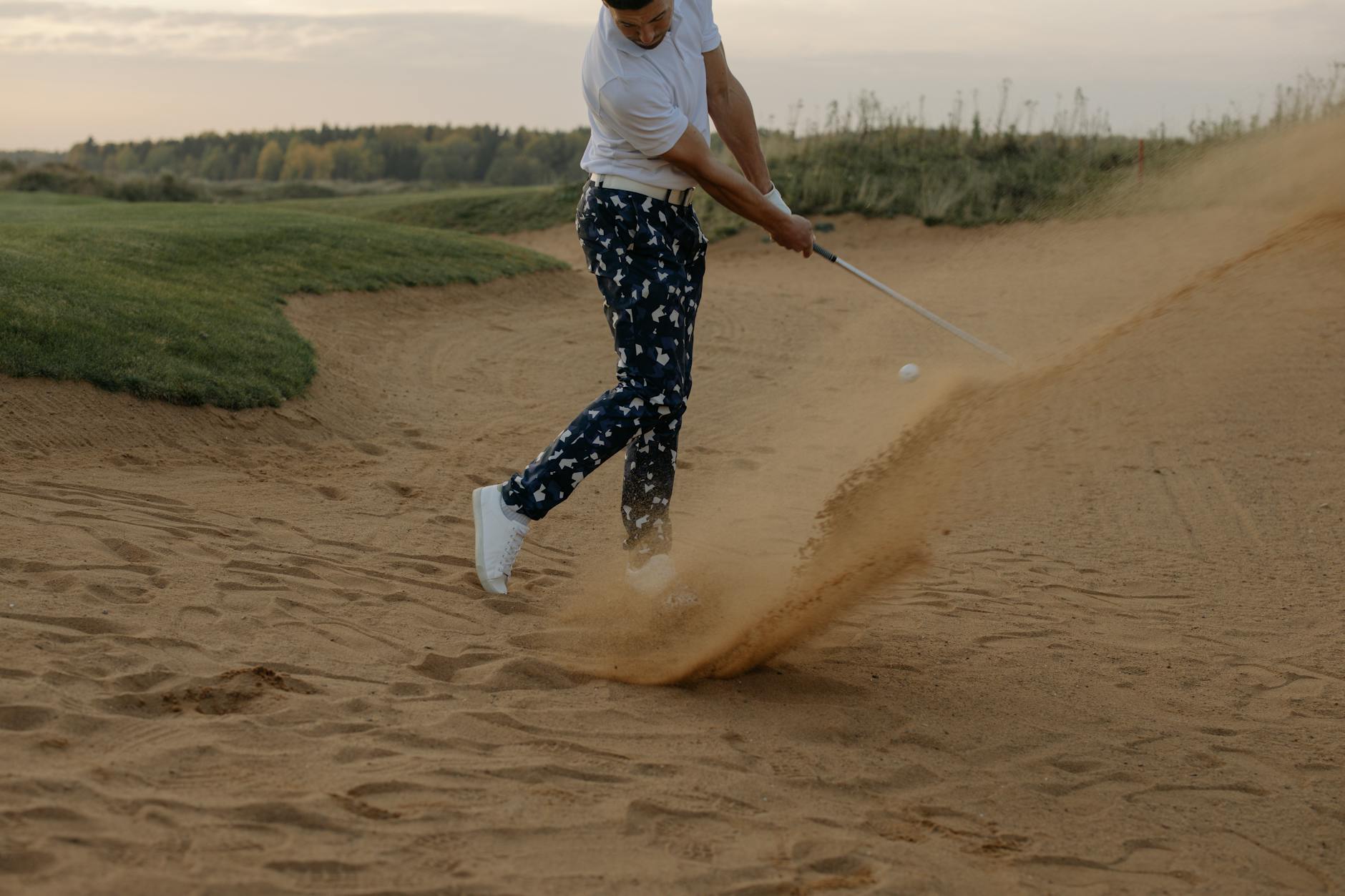
The early weeks of any PGA Tour season serve as a fascinating laboratory for observing how players have refined their games during the off-season. Equipment changes, swing adjustments, and mental approach modifications all become visible under tournament pressure, offering discerning observers valuable insight into who might peak at the right moments later in the year.
West Coast Swing: The Strategic Proving Ground
The West Coast Swing has long been considered one of the most demanding stretches on the PGA Tour calendar, not for its difficulty alone, but for the variety of conditions it presents. From the unique poa annua putting surfaces that punish inconsistency to the marine layer that can transform afternoon conditions, players must demonstrate remarkable adaptability.
Course management becomes paramount during this stretch. The premium isn't always on distance—though having that weapon remains valuable—but rather on precision positioning and an ability to control trajectory in variable winds. Players who excel at working the ball both directions and maintaining spin consistency through changing atmospheric conditions historically perform well during these weeks.
- Poa annua greens require exceptional touch and acceptance of imperfection on well-struck putts
- Marine layer conditions demand trajectory control and accurate club selection adjustments
- Coastal winds test a player's ability to flight the ball and manage spin rates
- Kikuyu rough around several courses penalizes wayward approaches more severely than traditional rough
Form Indicators for Major Season
What separates truly elite players from the rest of the field often reveals itself during these early-season events. The ability to contend week after week, managing energy and focus while staying sharp, indicates the kind of sustained excellence required to compete in major championships. Pay close attention to players who consistently find themselves on weekend leaderboards rather than those who flash briefly before fading.
Driving accuracy paired with proximity to hole from the fairway tells a more complete story than any single statistic. Players who position themselves for birdie opportunities while avoiding the big numbers demonstrate the course management maturity that translates to major championship success.
Equipment Trends Emerging
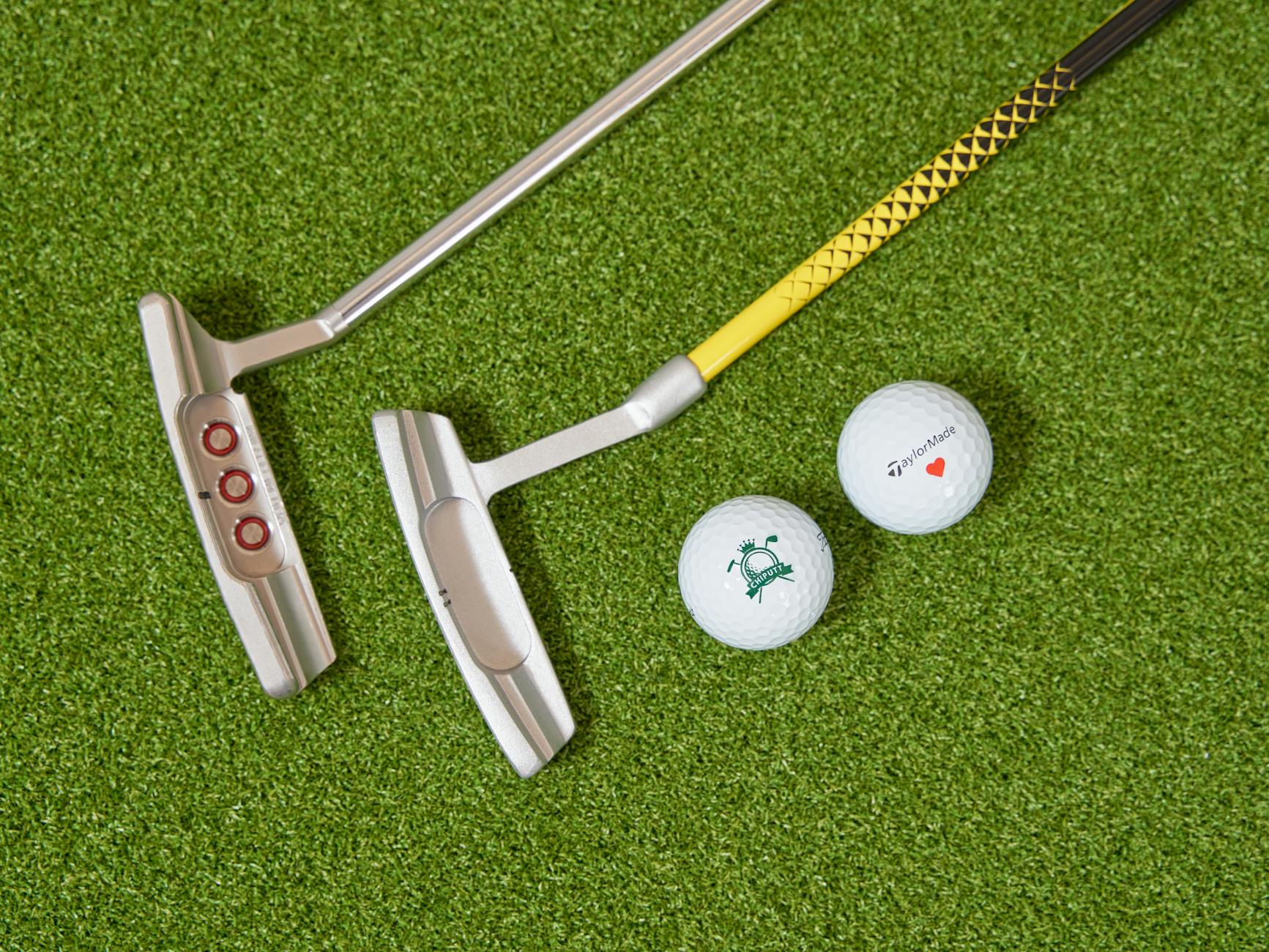
The early season always brings equipment observations to the forefront. Players experiment with new setups during the off-season, and February tournaments reveal which changes have stuck and which have been abandoned. Shaft selection particularly comes under scrutiny as players seek optimal launch conditions and spin rates for varying course demands.
The game is won and lost in the details—the half-club decisions, the slight trajectory adjustments, the commitment to a specific shot shape when conditions demand it.
— Tour equipment consultant
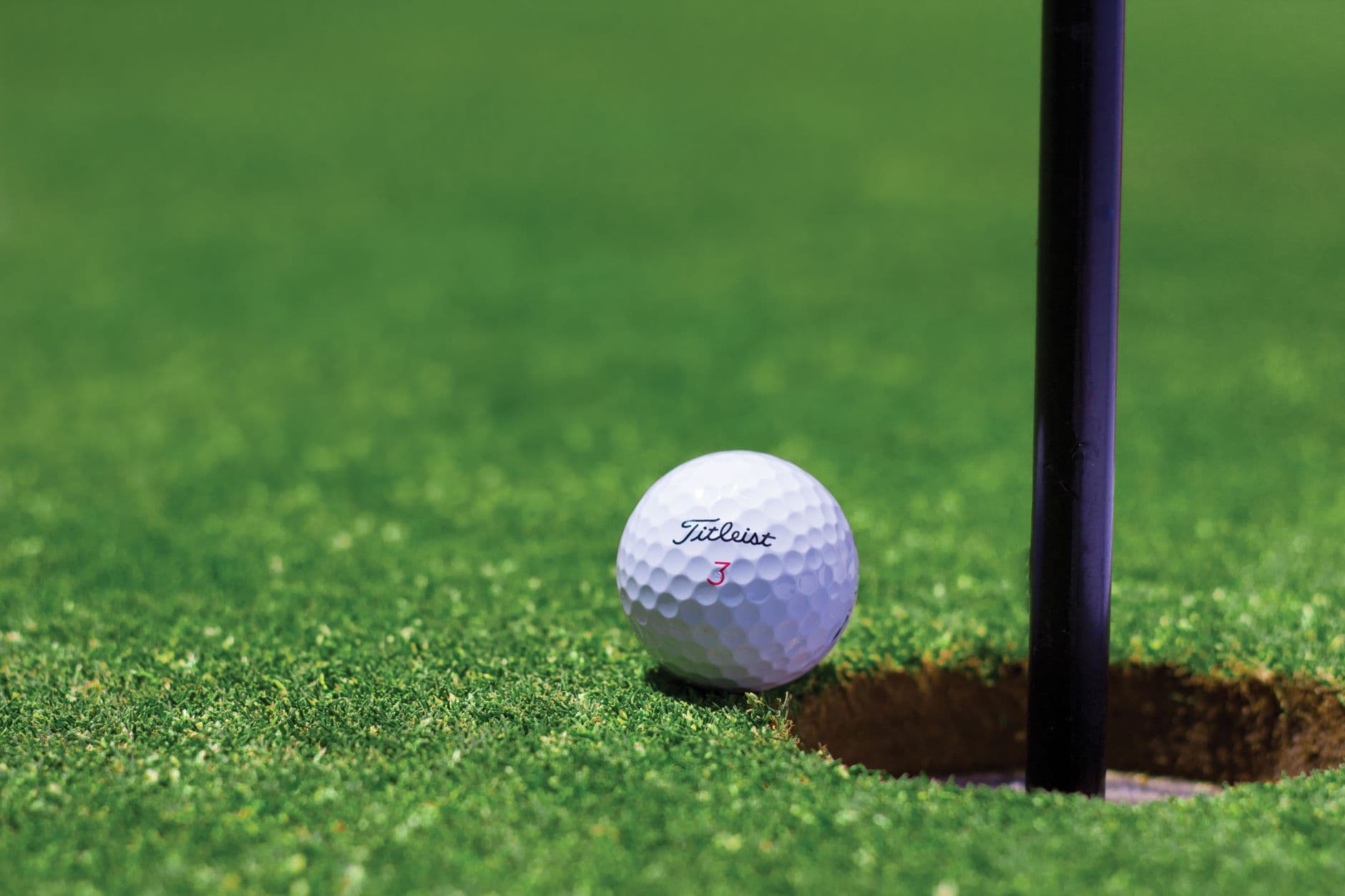
Ball selection similarly plays a crucial role, particularly on the demanding putting surfaces of the West Coast. Players seeking maximum greenside control while maintaining distance advantages must find equipment that performs consistently across all conditions. High-density constructions have gained traction among players prioritizing stability in coastal winds and consistent energy transfer.
What to Watch Moving Forward
As February progresses and the season builds toward its crescendo, several storylines merit close attention. The emergence of younger players challenging established stars creates compelling narratives, while veterans seeking to prove their relevance adds another dimension to weekly competition.
The courses themselves tell stories—how players attack par-fives, manage risk on driveable par-fours, and execute under pressure on closing holes reveals character and capability. These moments, accumulated over the West Coast Swing, paint a picture of who might lift trophies when the stakes are highest.
- Monitor strokes gained: approach-the-green for true ball-striking indicators
- Track putting performance on poa annua as a proxy for adaptability
- Note players who consistently convert birdie opportunities on par-fives
- Observe course management decisions on risk-reward holes
Looking Ahead
The transition from the West Coast toward the Florida Swing will test players' ability to adjust to different turf conditions and typically firmer, faster surfaces. Those who demonstrate versatility across these varied challenges position themselves favorably for the spring major championship push.
For serious golf observers, these early-season weeks provide more insight than casual viewers might recognize. The form lines established now often hold through the season's biggest moments. Pay attention to the details—the quality of iron shots under pressure, the composure on the greens, the decision-making in crucial moments—and you'll identify contenders before the masses catch on.
Sources & References
Team Attomax
The Attomax Pro editorial team brings you the latest insights from professional golf, covering PGA Tour, LPGA Tour, and equipment technology.