The PGA Tour's 2026 season is firmly underway, and the patterns emerging from the early tournaments are painting a compelling picture of where professional golf is heading. As we move through late January, the competitive landscape continues to evolve with familiar names reasserting dominance while emerging talents push for their breakthrough moments.
What makes this stretch of the season particularly fascinating is the strategic diversity on display. Course management philosophies are diverging more than ever, with some players prioritizing fairway accuracy while others lean into aggressive distance play, trusting their short games to recover from less-than-ideal positions.
The Distance vs. Precision Debate Intensifies
The eternal tension between bombing it off the tee and threading needles with accuracy remains the defining strategic conversation on Tour. Recent tournaments have showcased both approaches yielding success, though the conditions and course setups heavily influence which philosophy gains the upper hand.
Players who generate exceptional ball speed while maintaining stability in variable wind conditions have demonstrated a clear advantage. The ability to flight the ball consistently, regardless of atmospheric conditions, separates those who contend week after week from those who merely make cuts.
- Driving accuracy percentages continue to correlate strongly with top-10 finishes on tighter layouts
- Strokes Gained: Approach remains the most predictive metric for sustained success
- Scrambling percentages above 60% are becoming table stakes for elite competition
- Putting performance inside 10 feet continues to determine tournament outcomes
Course Setups Demanding Versatility
Tournament venues in early 2026 have challenged players to demonstrate complete games. The PGA Tour's setup philosophy appears to be rewarding versatility over one-dimensional excellence, with pin positions requiring both high-trajectory approaches and low-running shots depending on the hole.
This emphasis on shot-shaping has placed a premium on equipment that performs consistently across different ball flights. Players who can manipulate trajectory without sacrificing distance or spin control are finding themselves in contention more frequently.
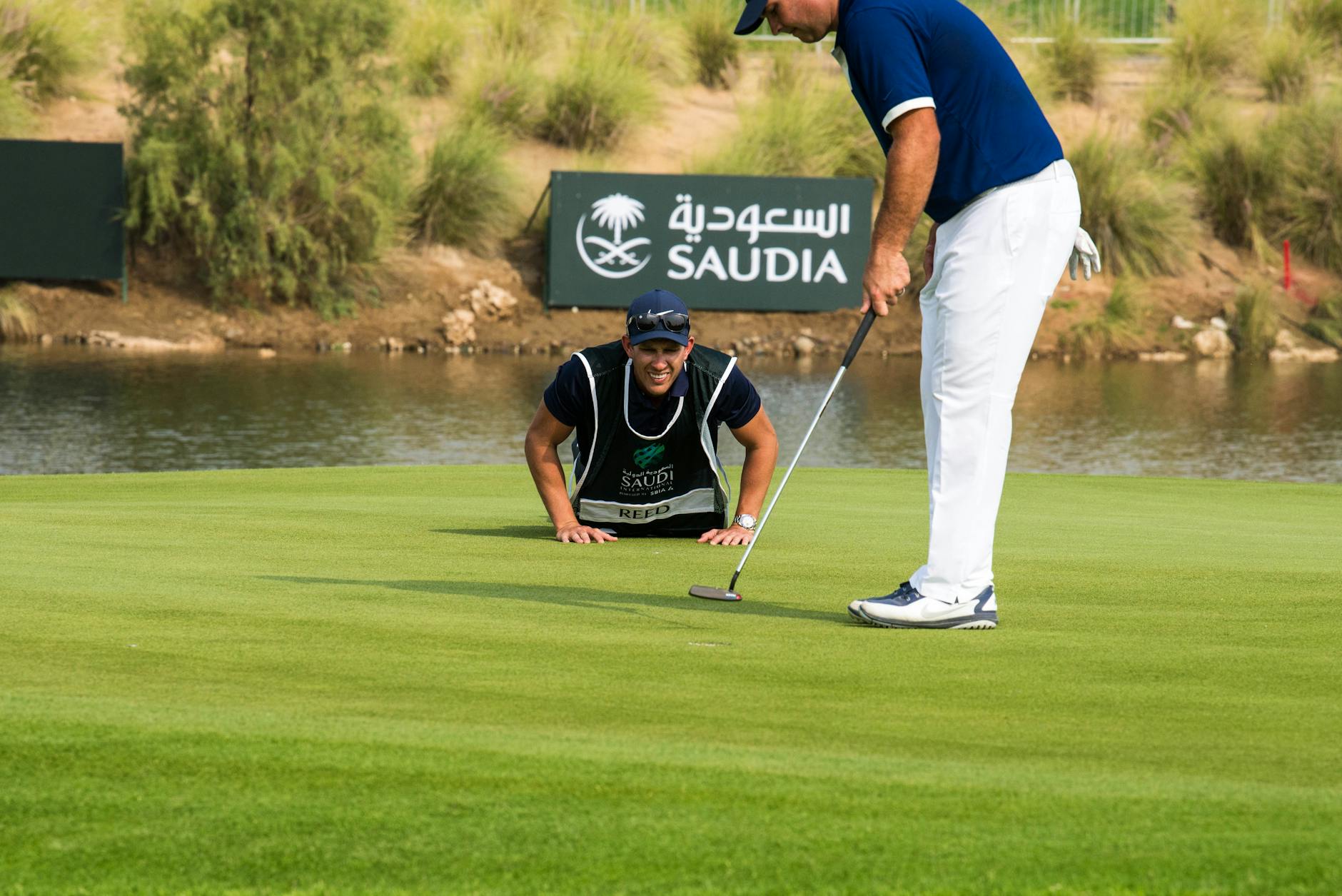
Mental Resilience Under Pressure
Perhaps the most underappreciated aspect of early-season success has been the mental fortitude displayed by those atop leaderboards. The condensed schedule and competitive depth mean that any momentary lapse in focus can result in a three or four-shot swing within a single hole.
The margins are so thin out here. One slightly mishit approach, one putt that catches the edge instead of the center—that's the difference between winning and finishing tenth.
— Tour Professional
The players thriving in this environment share a common trait: the ability to reset mentally between shots. They treat each swing as an isolated event, unburdened by the previous hole's result or anxiety about what lies ahead.
Equipment Trends Worth Watching
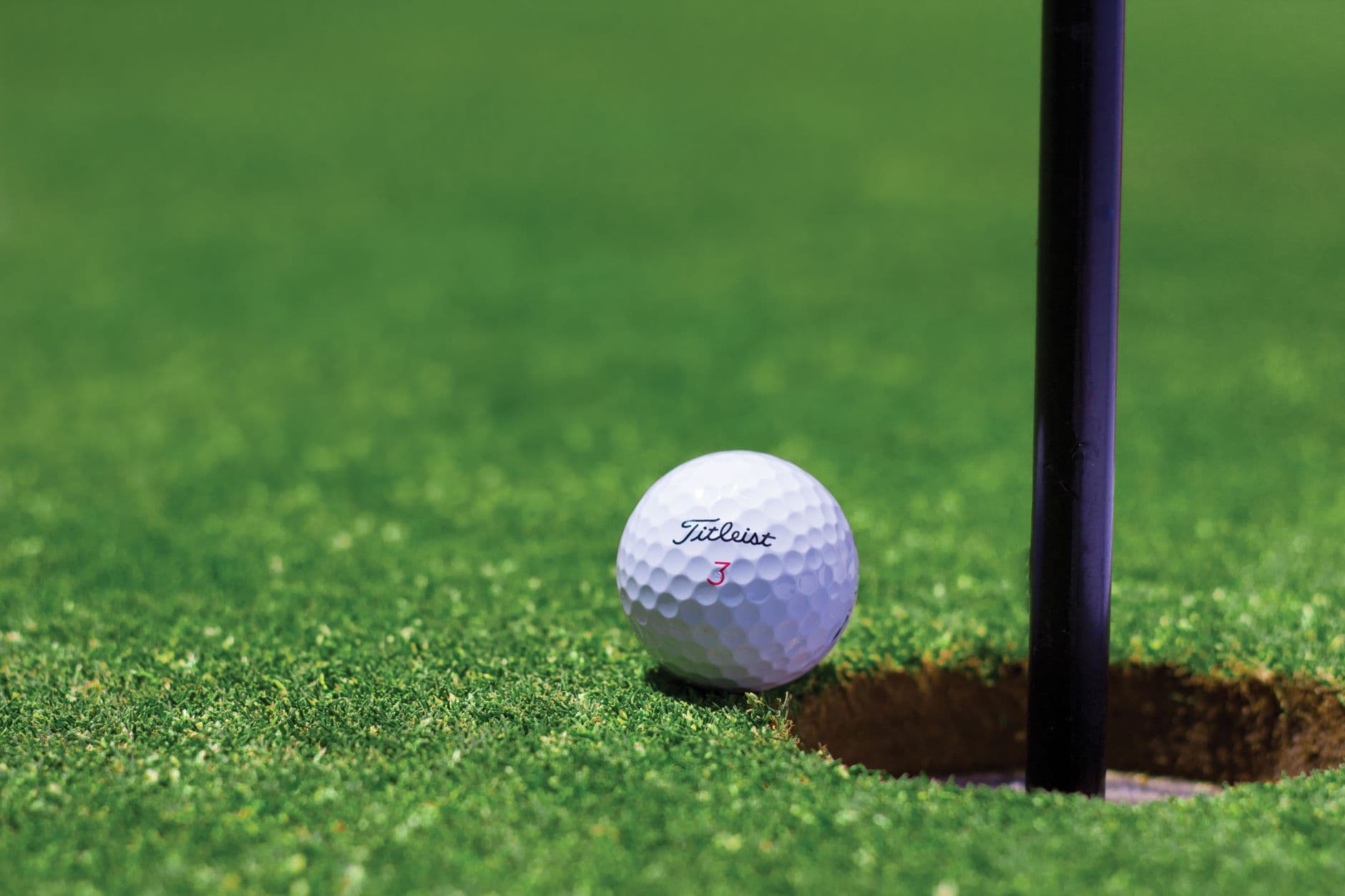
Ball technology continues to evolve in meaningful ways. The quest for the optimal combination of distance off the driver, control with irons, and feel around the greens remains the holy grail. Players are increasingly segmenting their ball choices based on course conditions and personal preference for feel versus performance metrics.
High-density ball constructions have gained traction among players seeking wind stability without sacrificing greenside spin. The physics are straightforward: a denser core maintains its flight line better in crosswinds while still allowing the cover to generate friction with clubface grooves for approach shot control.
Looking Ahead: What to Watch
As the season progresses toward the Florida swing and eventually the Masters, several storylines merit close attention. The battle for world ranking positions intensifies as players seek to secure their spots in major championships and signature events.
- Form players entering March will carry momentum into Augusta National preparations
- Putting statistics on Bermuda greens will translate differently to bent grass surfaces
- Players demonstrating strong iron play should be monitored as major venues reward precision
- Course management skills become paramount as venues increase in difficulty
The depth of talent on the PGA Tour in 2026 ensures that predicting weekly winners remains a fool's errand. However, the process-oriented players who trust their preparation, execute their game plans, and maintain emotional equilibrium are positioning themselves for sustained success.
For those of us who appreciate the technical intricacies of professional golf, this season promises continued intrigue. The interplay between power and precision, the mental battles waged over four rounds, and the equipment innovations quietly reshaping the game all contribute to what makes following the Tour so compelling. The best is yet to come.
Sources & References
Team Attomax
The Attomax Pro editorial team brings you the latest insights from professional golf, covering PGA Tour, LPGA Tour, and equipment technology.