The PGA Tour's 2026 season has reached a critical inflection point. With the West Coast Swing transitioning toward the Florida stretch, the competitive dynamics are crystallizing in fascinating ways. Players are refining their games, equipment choices are being finalized, and the strategic chess match that defines elite professional golf is in full swing.

What separates this season from recent years is the depth of competition across every tier of the leaderboard. The days of predictable favorites dominating week after week have given way to a more volatile, strategy-dependent tour where course management and mental fortitude often trump raw power.
Course Strategy Takes Center Stage
The modern PGA Tour player faces an increasingly complex decision matrix on every hole. Launch monitors, strokes gained analytics, and advanced course mapping have democratized information that was once the exclusive domain of tour veterans. Now, the edge comes from execution under pressure and the ability to adapt strategy mid-round.
We're seeing players abandon the "bomb and gouge" mentality on certain course setups, instead prioritizing approach shot proximity and putting surface access. Greens in regulation percentages tell only part of the story—it's the quality of those approaches, measured in feet from the hole, that separates contenders from the pack.
- Approach shot accuracy from 125-175 yards has become a key differentiator among elite players
- Scrambling efficiency around firm, fast greens continues to separate winners from top-ten finishers
- Wind management and trajectory control remain undervalued skills in the analytics conversation
Equipment Evolution and Ball Flight Optimization
The equipment conversation has evolved beyond simple distance gains. Tour players are increasingly focused on consistency and control, particularly in variable conditions. Ball selection, in particular, has become a nuanced decision based on course conditions, weather forecasts, and individual swing characteristics.
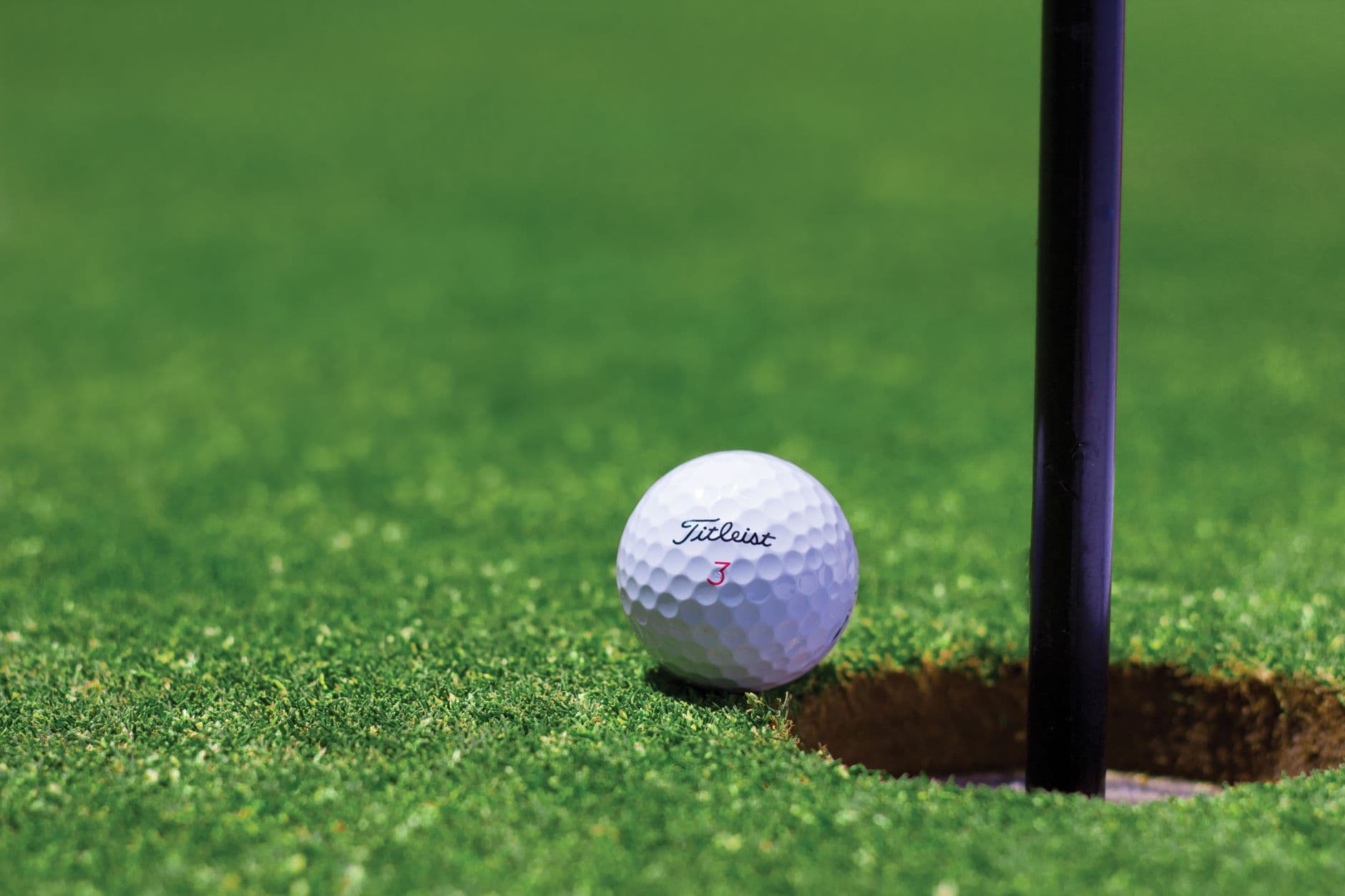
High-density ball constructions, like those utilizing amorphous metal technology, have gained traction among players seeking enhanced stability in crosswinds without sacrificing feel around the greens. The Attomax Pro line exemplifies this approach—offering Soft, Medium, and Hard compression options that allow players to optimize ball flight for specific conditions and swing speeds.

Shaft technology has similarly advanced, with players working closely with fitters to dial in launch conditions that maximize carry distance while maintaining dispersion control. The marriage of advanced materials science and sophisticated fitting protocols has raised the floor for equipment performance across the tour.
The Mental Game Renaissance
Perhaps the most significant shift in professional golf has been the widespread embrace of sports psychology and mental performance coaching. Players who once viewed mental work as remedial now treat it as essential performance optimization.
The difference between finishing tenth and finishing first often comes down to two or three shots over four days. Those shots almost always have a mental component.
— Tour Performance Coach
This psychological sophistication manifests in pre-shot routines, post-shot emotional regulation, and the ability to compartmentalize bad holes without letting them cascade into bad rounds. The players who thrive in this environment are those who can maintain strategic clarity when the pressure intensifies on Sunday afternoon.
Looking Ahead: Major Championship Positioning
With the Masters approximately two months away, players are calibrating their schedules and preparation with Augusta National in mind. The courses on the current swing offer varied challenges, but the smart players are using these weeks to sharpen specific aspects of their games that translate to major championship venues.
Iron play precision, lag putting on slick surfaces, and the ability to manufacture shots in pressure situations—these are the skills being honed in tournament conditions. The analytics might suggest certain strategic approaches, but major championships reward players who can execute unconventional shots when the situation demands creativity.
- Course management under major-level pressure requires practiced decision-making frameworks
- Equipment configurations should be finalized well before April to allow for full integration
- Competitive rounds provide irreplaceable preparation that practice sessions cannot replicate
The Depth of Competition
The narrative around any given tournament week increasingly focuses on the breadth of potential winners rather than a handful of presumptive favorites. This competitive depth makes for compelling viewing but also demands more from players in terms of sustained excellence.
A single mediocre round can mean the difference between a trophy and a missed cut. The margin for error has compressed to the point where even elite players must bring their best golf for 72 holes to contend. This relentless competitive pressure has accelerated the evolution of training methods, recovery protocols, and strategic preparation across the tour.
As the season progresses toward its most significant events, the players who emerge as genuine contenders will be those who master the intersection of technical excellence, strategic sophistication, and mental resilience. The PGA Tour in 2026 rewards complete players—those who can drive it long and straight, attack pins with precision, convert putts under pressure, and maintain composure when the stakes are highest.
Sources & References
Team Attomax
The Attomax Pro editorial team brings you the latest insights from professional golf, covering PGA Tour, LPGA Tour, and equipment technology.