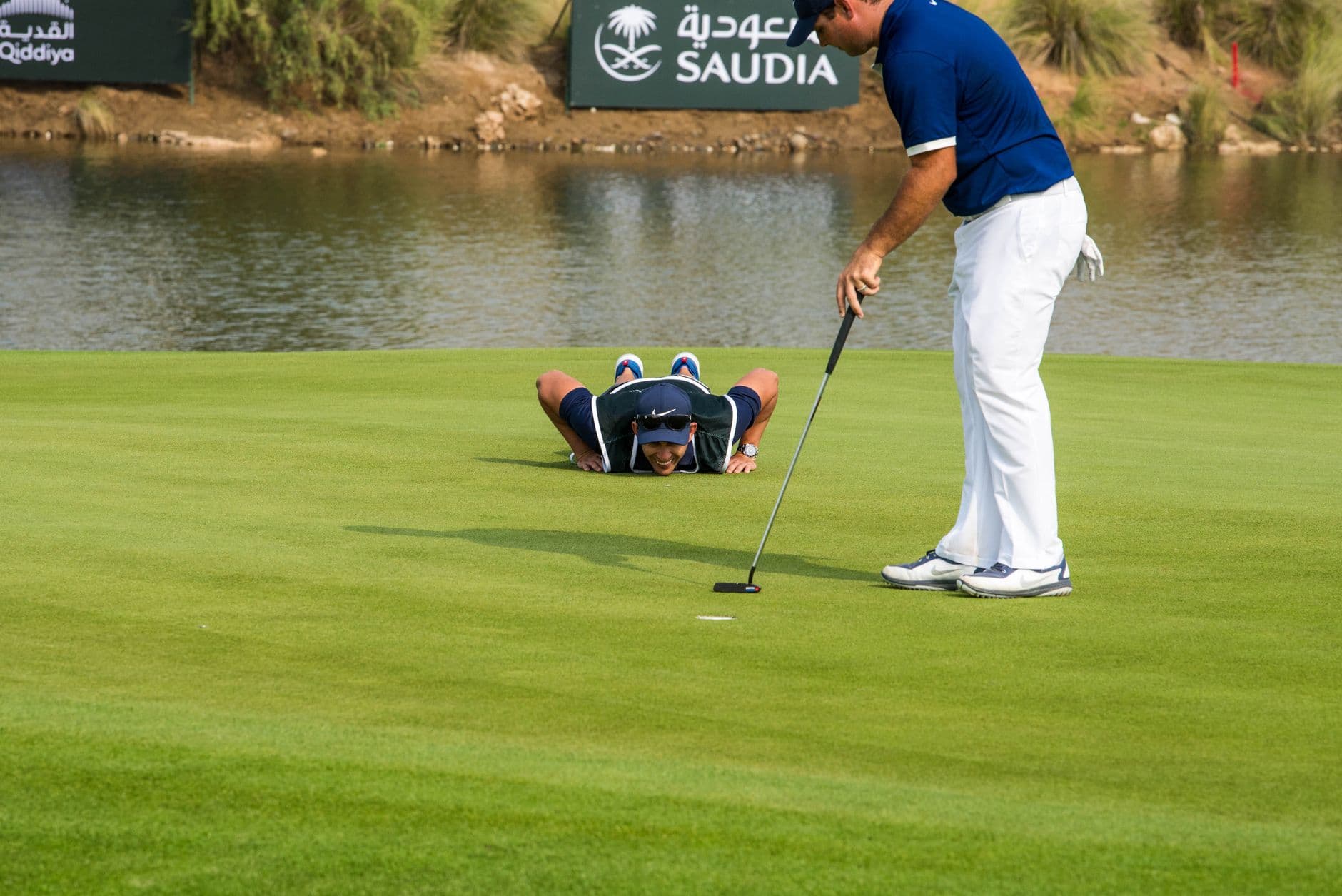
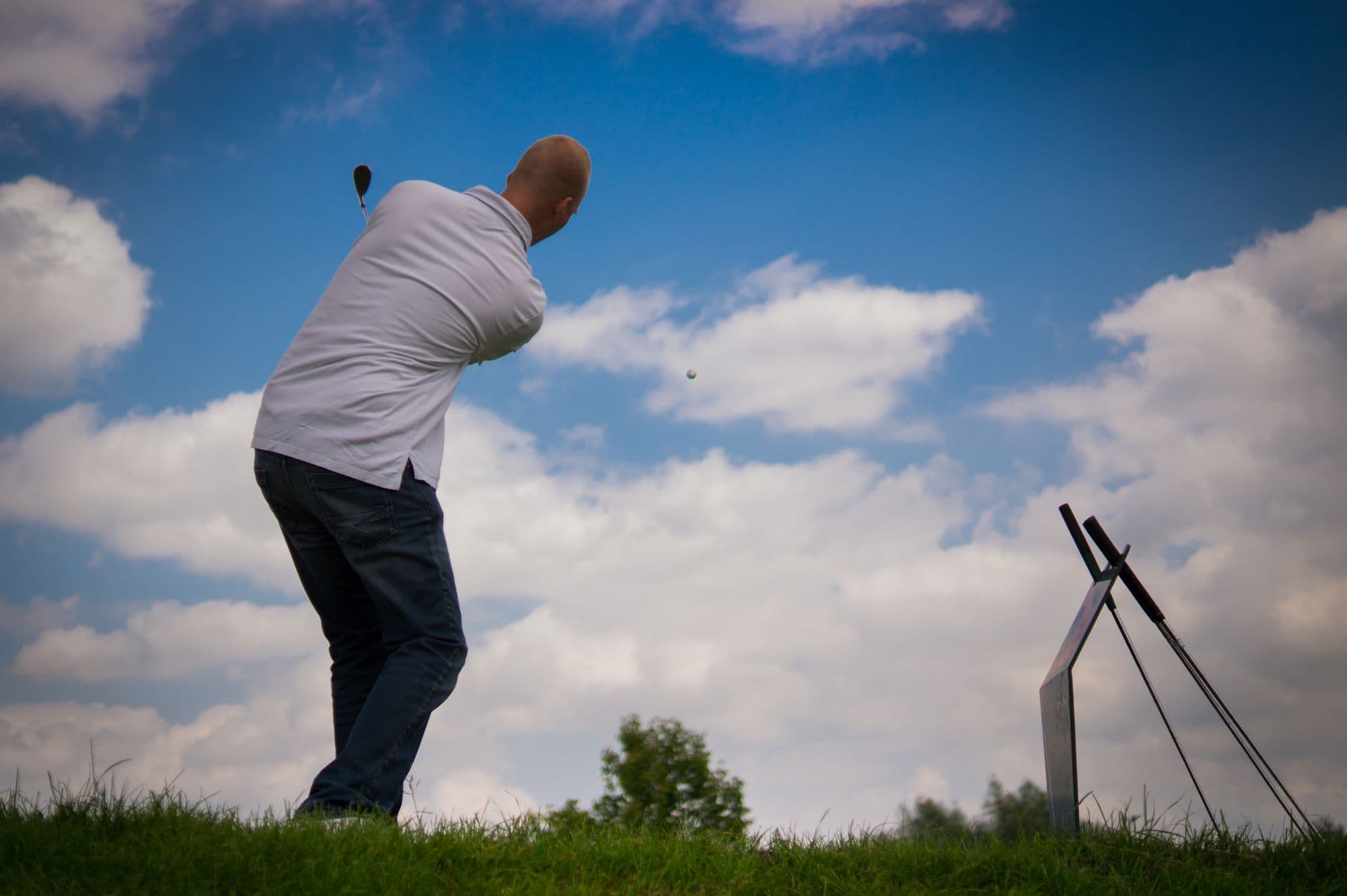
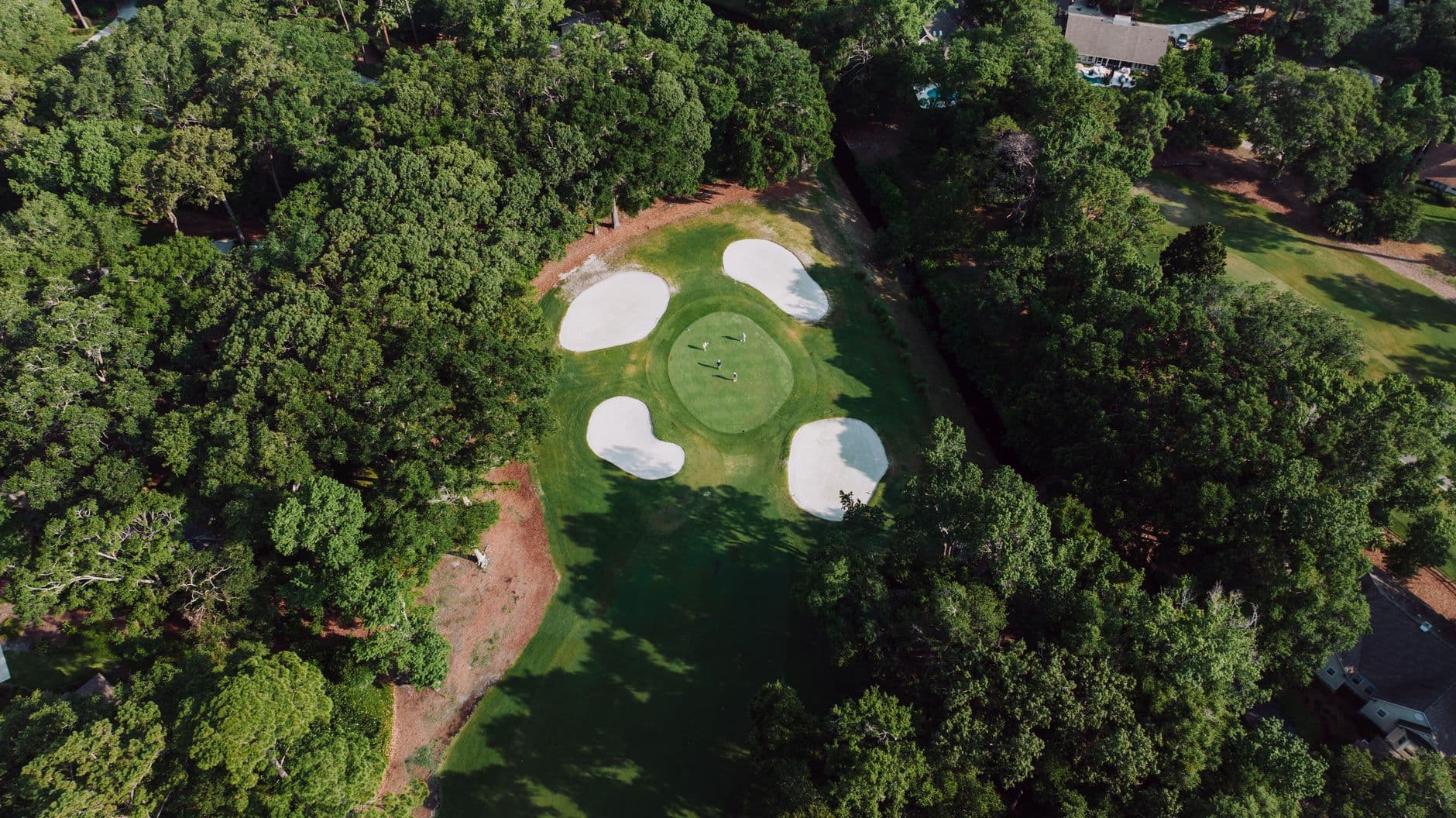
The difference between a good round and a great one often comes down to a single skill that separates tour-caliber players from the rest: the ability to shape shots on demand. While most amateurs focus on eliminating their miss, elite golfers embrace curve as a weapon—working the ball both ways to attack tucked pins, navigate doglegs, and neutralize wind.
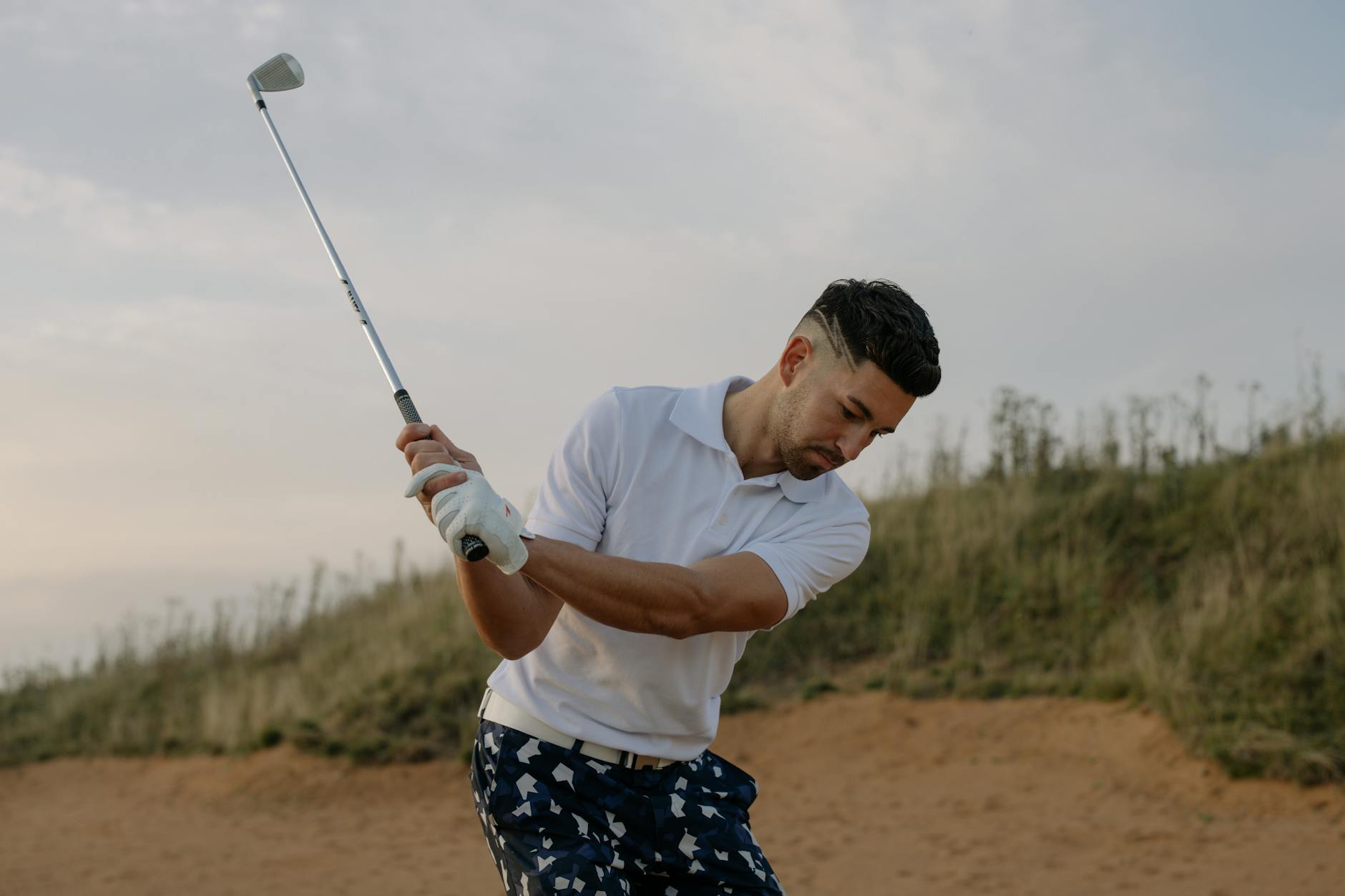
Shot shaping isn't merely about hitting draws and fades. It's about trajectory control in three dimensions: curvature, apex height, and landing angle. When you can manipulate all three, you transform from a player who reacts to course conditions into one who dictates them.
This isn't a beginner's guide to ball flight laws. If you're reading this, you already understand that face angle primarily determines start line while path influences curve. Today, we're going deeper—into the nuances that make shot shaping a reliable, repeatable skill rather than an occasional accident.
The Physics of Intentional Curve
Every intentional shape begins with a clear understanding of your stock shot. Most accomplished players have a natural ball flight tendency—whether it's a slight fade or a controlled draw. The goal isn't to eliminate this tendency but to expand your range on either side of it.
Consider your swing as having a "home base" path. For a right-handed player with a natural fade, this might be a path that's 2-3 degrees left of the target with a face that's 1 degree left—producing a soft left-to-right movement. To hit a draw from this foundation, you're not rebuilding your swing; you're making calculated adjustments to path and face relationship.
- Path adjustment: Shift your swing direction 3-5 degrees further right (for a right-handed player seeking a draw)
- Face management: Allow the face to close relative to path while remaining open to the target line
- Release timing: A slightly earlier release promotes draw spin; holding off promotes fade spin
- Ball position: Forward promotes higher launch with fade tendency; back promotes lower flight with draw potential
The critical insight here is that small adjustments yield significant results. Tour professionals rarely shift their path more than 4-5 degrees from their stock swing to produce dramatic shape changes. Overcooking these adjustments leads to inconsistency and the dreaded double-cross.
Trajectory Control: The Vertical Dimension
Horizontal curve gets most of the attention, but vertical trajectory control is equally vital—and often more practically useful. The ability to flight the ball down under wind or launch it high to hold a firm green separates course managers from ball-strikers who are slaves to conditions.

Low trajectory shots require more than simply moving the ball back in your stance. True knockdown control comes from understanding the relationship between dynamic loft, angle of attack, and spin rate. A well-executed punch shot maintains enough spin for control while reducing peak height.
- Grip down 1-2 inches to shorten the arc and reduce clubhead speed
- Position weight slightly forward at address and maintain it through impact
- Focus on a abbreviated follow-through—chest facing target, hands finishing low
- Select one or two clubs more and swing at 75-80% tempo
- Maintain lag longer into the downswing to reduce dynamic loft
High shots demand the opposite approach: increased dynamic loft through a more ascending strike, fuller release, and complete follow-through. Ball position moves forward, and swing thought shifts toward "covering" the ball less and allowing the club to fully release under it.
Equipment Considerations for Shape Control
Your equipment significantly influences your ability to shape shots. Blade-style irons with minimal offset naturally provide more workability than game-improvement designs with perimeter weighting. Similarly, shaft selection affects both trajectory and shot-shaping capability.
Lower-spinning golf balls reduce the exaggeration of any curve you impart, making them easier to control for players who tend to over-shape. Conversely, higher-spinning tour balls respond more dramatically to face-to-path differentials. Understanding where your ball sits on this spectrum is essential for calibrating your adjustments.
The golf ball is the only piece of equipment you use on every single shot. Its performance characteristics affect trajectory, spin, and workability more than most players realize.
— Tour Equipment Representative
High-density ball constructions, like those utilizing amorphous metal cores, offer an interesting advantage here: enhanced stability through impact that maintains intended spin characteristics regardless of strike location. When you're attempting to shape a shot under pressure, knowing your ball will respond consistently to your inputs removes one variable from an already complex equation.
Wind: The Ultimate Test of Trajectory Mastery
Reading wind and adjusting trajectory accordingly remains one of golf's most challenging skills. The instinct to fight wind with opposite curve—hitting a draw into a left-to-right wind—often backfires because the wind exaggerates any spin imparted on the ball.
The professional approach typically favors riding the wind with a controlled version of the shot the wind wants to produce. Into a left-to-right breeze, a controlled fade with reduced spin holds its line better than a draw that gets caught and ballooned. This counterintuitive strategy requires trust and practice but yields more predictable results.
Headwinds demand aggressive trajectory reduction. Every 10 mph of headwind effectively adds a club's worth of distance—but only if you maintain a penetrating ball flight. Hit your normal trajectory into a strong headwind, and that figure becomes even more dramatic as the ball climbs and stalls.
Building Shot-Shaping Into Your Practice
Range sessions dedicated to shot shaping should follow a structured progression. Begin with your stock shot to establish baseline feel, then work systematically through your shape options. The goal is building a mental library of feels that you can access under competitive pressure.
- Start each session with 10-15 stock shots to calibrate
- Work through low, medium, and high trajectory with your 7-iron before switching clubs
- Practice draws and fades with the same club before moving to different lengths
- Finish sessions by calling your shot before each swing—shape, trajectory, and target
- On-course practice rounds should include intentional shot selection beyond what the hole demands
The ultimate measure of shot-shaping ability isn't whether you can hit a particular shot in isolation. It's whether you can execute it when the situation demands it, with a scorecard in your back pocket and consequences attached to the outcome. This is where range work transforms into competitive advantage.
Shot shaping and trajectory control represent the artistic side of golf's technical foundation. They're skills that take years to develop and a lifetime to master—but they're also what transform good ball-strikers into complete players capable of handling anything a championship course presents. The investment in developing these skills pays dividends every time conditions demand more than a straight shot at a flagstick.
Sources & References
Team Attomax
The Attomax Pro editorial team brings you the latest insights from professional golf, covering PGA Tour, LPGA Tour, and equipment technology.