The professional golf landscape in early 2026 bears little resemblance to the sport we knew just three years ago. What began as a hostile fracture between the PGA Tour and the Saudi-backed LIV Golf League has evolved into a complex negotiation that continues to reshape every facet of competitive golf—from tournament structures and broadcast rights to equipment regulations and player loyalty.
For those of us who've followed this saga since LIV's explosive 2022 debut, the current state of affairs represents neither the apocalypse some predicted nor the seamless merger others anticipated. Instead, we find ourselves in an extended period of uncertainty that demands careful analysis.
The Current State of Play
Negotiations between the PGA Tour and the Public Investment Fund of Saudi Arabia have reportedly extended well beyond initial timelines. While framework agreements have been discussed, the devil remains firmly lodged in the details—particularly regarding governance structures, player eligibility pathways, and the integration of LIV's team-based format with traditional stroke play events.
The delay has created a peculiar holding pattern. LIV Golf continues to operate its signature 54-hole, shotgun-start events with guaranteed purses that still dwarf most PGA Tour offerings. Meanwhile, the PGA Tour has responded with its own elevated events featuring enhanced prize pools, though questions persist about long-term financial sustainability.
Player Movement and Career Calculus
The most fascinating aspect of this ongoing saga remains the individual decisions players must make with incomplete information. Those who jumped to LIV in 2022 and 2023 secured generational wealth but sacrificed—at least temporarily—their ability to compete in major championships and accumulate world ranking points through LIV events.
- LIV players face continued restrictions at certain majors, though policies vary by organization
- World ranking points remain a contentious issue, with LIV events still seeking full recognition
- Sponsor relationships have evolved, with some brands embracing LIV while others maintain PGA Tour exclusivity
- Legacy considerations weigh heavily for players approaching the back nine of their careers
Younger players face perhaps the most difficult calculus. The traditional pathway—grinding through the Korn Ferry Tour, earning status, building a career through consistent performance—still exists. But so does the temptation of guaranteed contracts that eliminate financial pressure entirely.
Equipment and Technology Implications
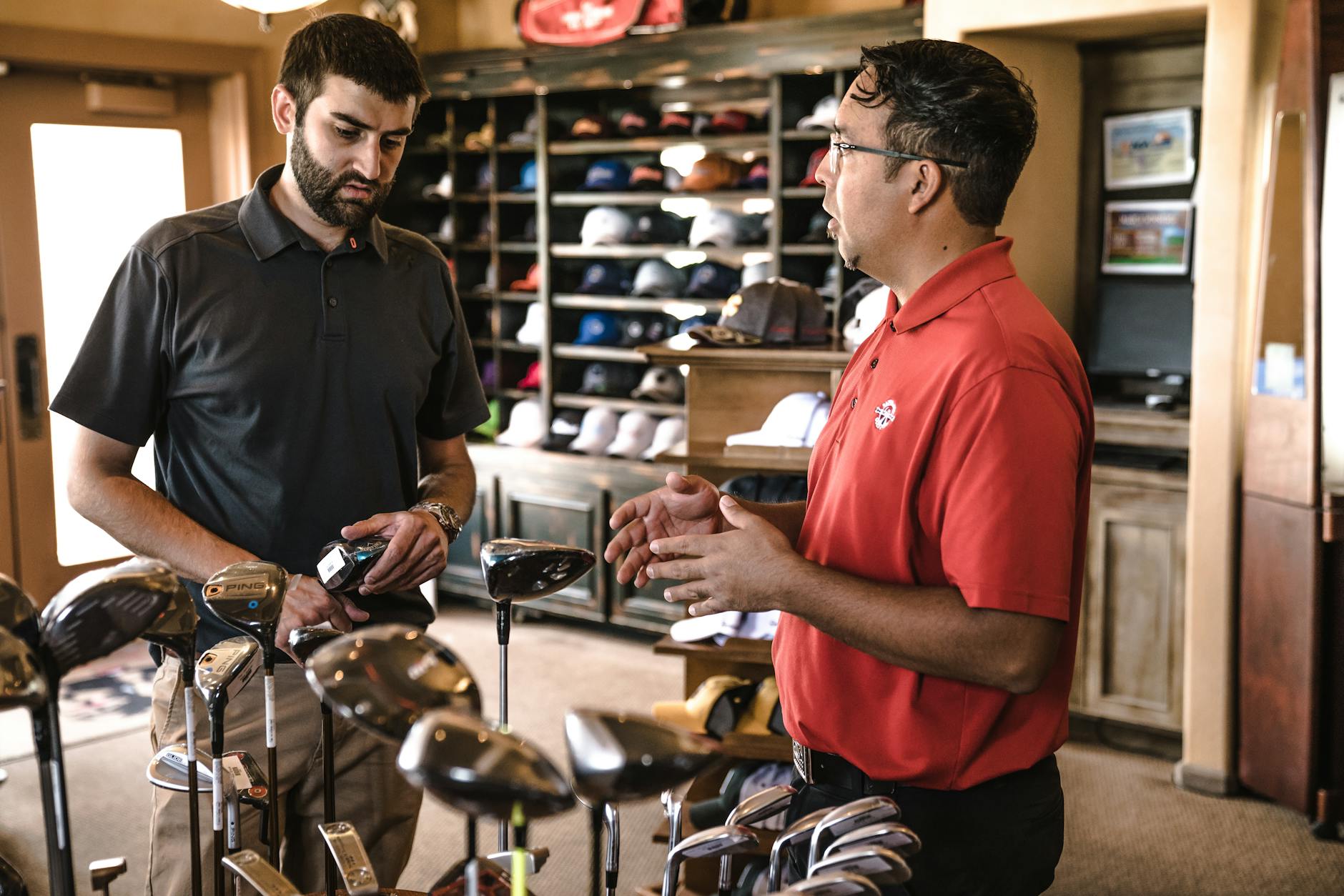
Often overlooked in the LIV-PGA discourse is how this bifurcation affects equipment development and regulations. With different governing bodies potentially having different rules, manufacturers face uncertainty about which specifications to prioritize.
For performance-focused golfers, this creates both challenges and opportunities. Equipment designed for LIV's 54-hole format might optimize differently than gear built for 72-hole grind. Wind stability and consistency become paramount when shotgun starts mean playing holes in varying conditions simultaneously.
The game has always evolved through competition—competition between players, between tours, and between ideas about what golf should be.
— Industry Observer
The Broadcast Battle
Television and streaming rights represent perhaps the most significant battleground. LIV's partnership with The CW in the United States brought professional golf to network television in ways the PGA Tour had largely abandoned, while the Tour's own streaming ambitions continue to develop.
For fans, this fragmentation means more platforms, more subscriptions, and more complexity in following the sport. For the tours themselves, it means competing not just for players but for eyeballs in an increasingly crowded sports entertainment marketplace.
What Comes Next
Predicting the ultimate resolution remains foolhardy, but several scenarios seem plausible. A full merger would create a global super-tour with resources to dwarf all competition. Continued coexistence might establish professional golf as a multi-league sport similar to soccer. A collapsed negotiation could reignite hostilities with lasting damage to all parties.
- Full integration: A unified tour structure with LIV events becoming part of an expanded schedule
- Parallel operation: Both tours coexisting with some player movement permitted
- Partial merger: Collaborative majors and elevated events while maintaining separate regular seasons
- Negotiation failure: Return to active competition for players and sponsors
What seems certain is that professional golf in 2026 operates under different rules than the sport we knew a decade ago. The monopoly the PGA Tour once held over elite professional golf no longer exists. Whether that's ultimately beneficial—forcing innovation and increased prize money—or detrimental—fragmenting fan attention and player legacies—remains to be determined.
The Player Perspective
Perhaps the most important voices in this conversation belong to the players themselves. Veterans who've competed under both structures offer unique insights into the trade-offs involved. The camaraderie of LIV's team format appeals to some; others miss the individual accountability of stroke play. Guaranteed money provides security; performance bonuses still reward excellence.
For the serious golfer watching from outside the ropes, this period offers valuable lessons about adaptability. The players thriving in this uncertain environment share common traits: mental resilience, strategic flexibility, and the ability to perform under novel conditions. These same qualities separate club champions from weekend hackers on a smaller scale.
As we move deeper into 2026, the only certainty is continued uncertainty. The smart money watches, waits, and prepares for whatever structure ultimately emerges. The game itself—the challenge of moving a small ball into a distant hole in as few strokes as possible—remains unchanged. Everything around it, however, continues to evolve at unprecedented speed.
Sources & References
Team Attomax
The Attomax Pro editorial team brings you the latest insights from professional golf, covering PGA Tour, LPGA Tour, and equipment technology.