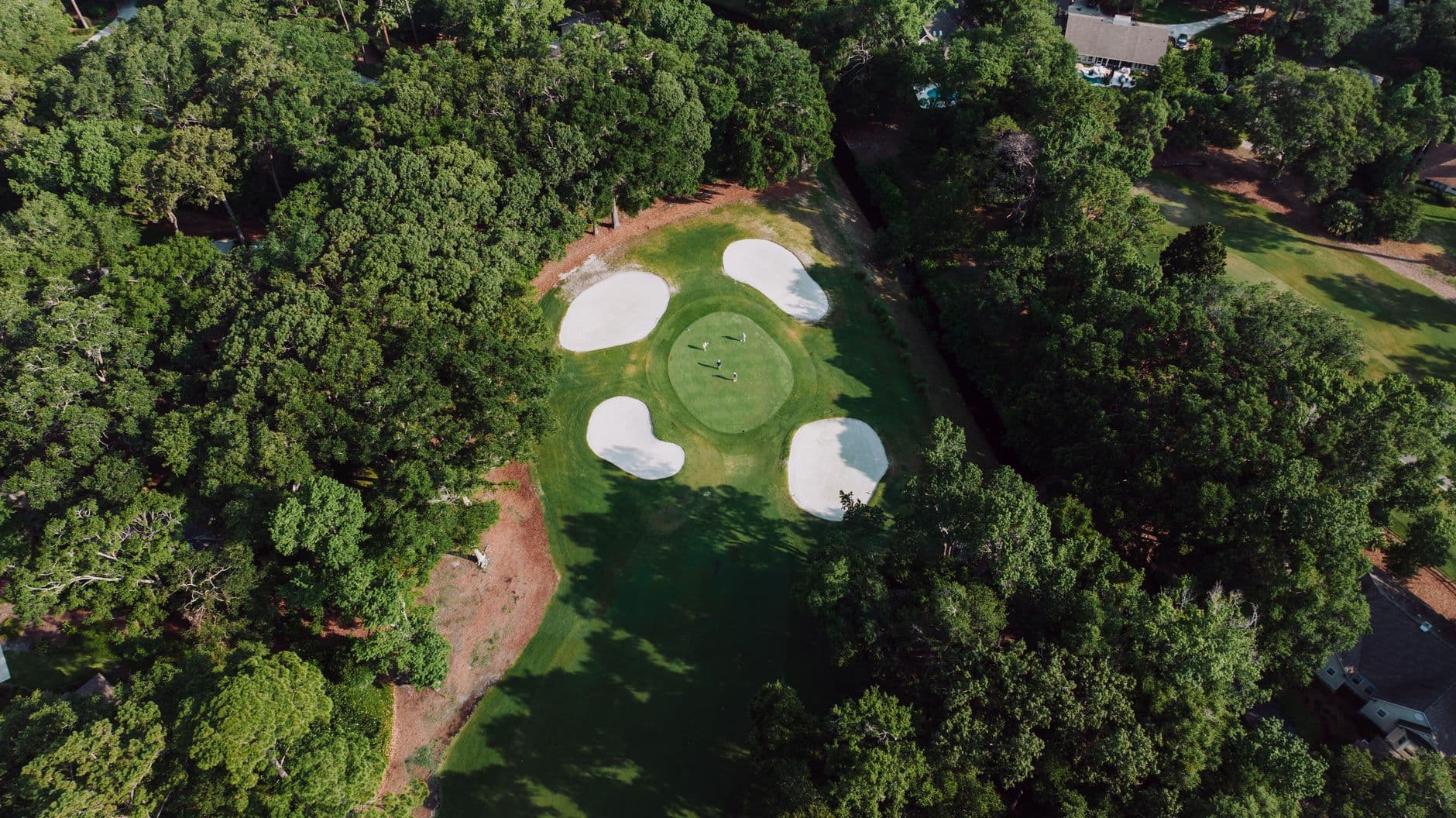
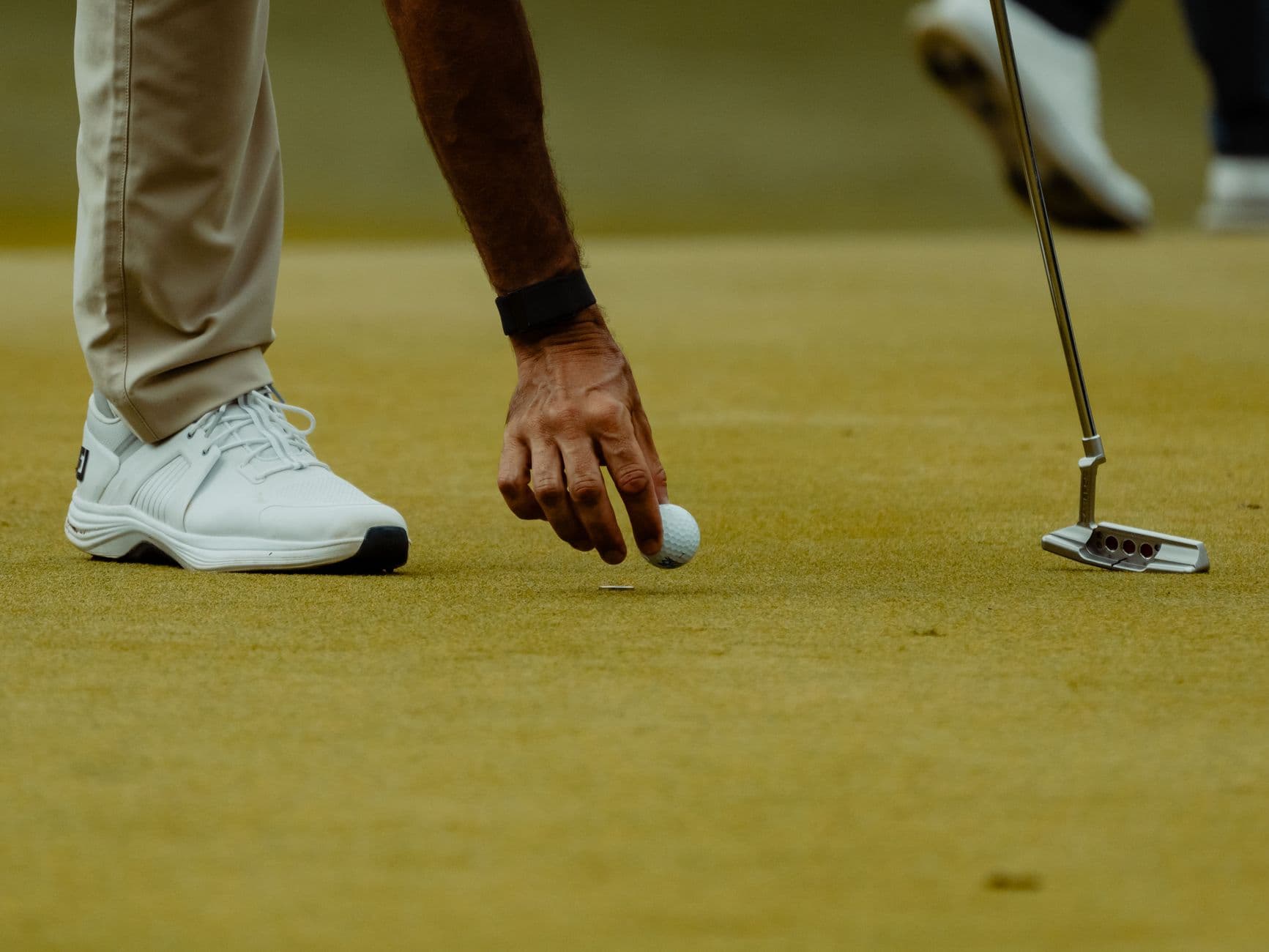
The image of a golfer as a weekend athlete casually strolling between fairways has been thoroughly dismantled. In 2026, the professional game demands a level of physical and mental conditioning that rivals any other major sport. The players winning at the highest levels are not just talented ball-strikers — they are finely tuned athletes operating at the intersection of biomechanics, sports psychology, and precision nutrition.
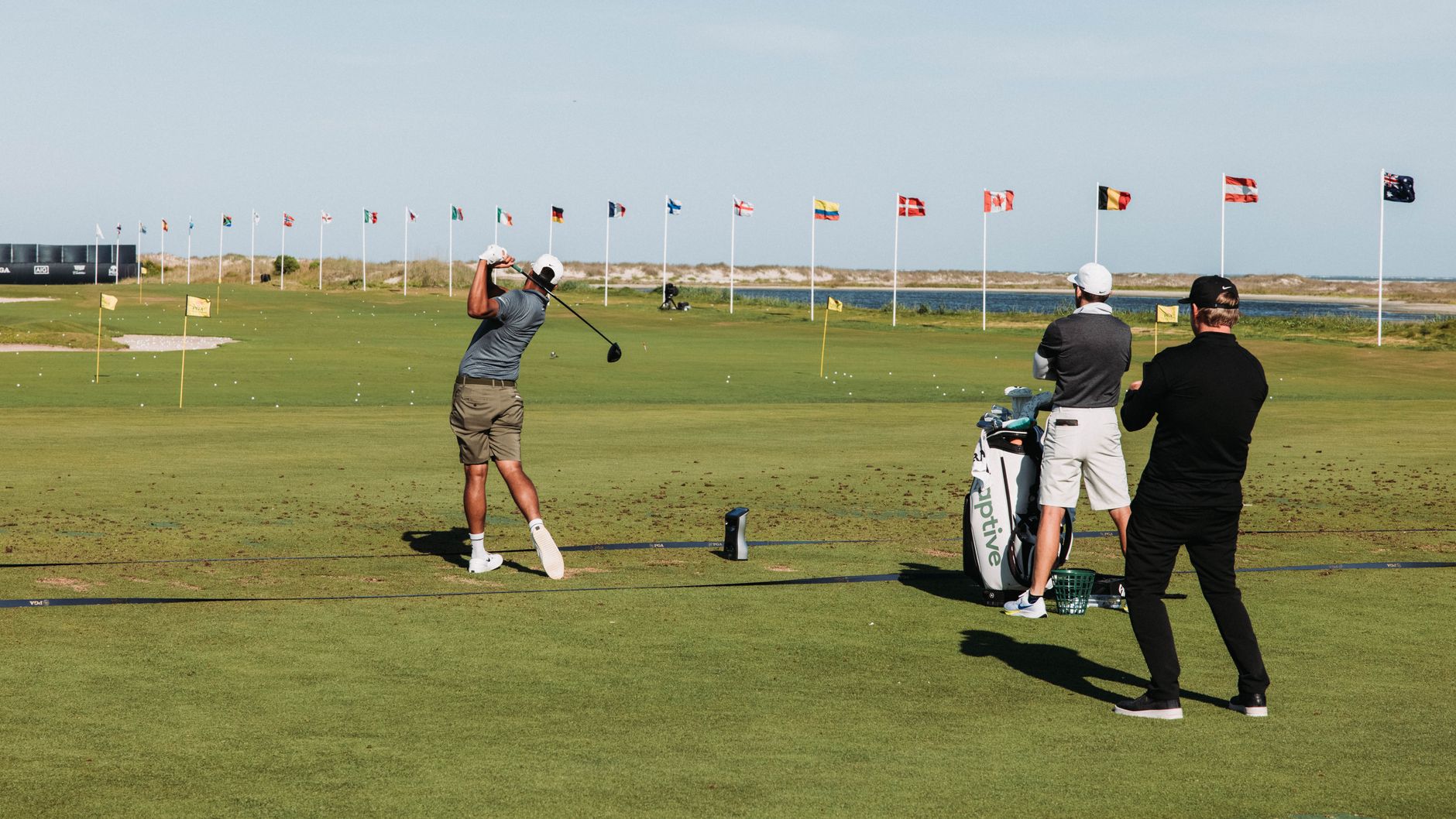
The evolution has been gradual but unmistakable. What Tiger Woods pioneered in the late 1990s — treating golf as a serious athletic endeavor — has now become the baseline expectation at every level of professional play. Today's Tour professionals arrive at tournaments having already logged weeks of structured periodization, mobility work, and neuromuscular training designed specifically around their swing mechanics.
The result is a field that is simultaneously younger, more explosive, and more physically resilient than any previous generation. Ball speeds continue to push ceilings across both the PGA Tour and LPGA Tour, and the professionals generating those numbers are doing so with a level of technical and physical sophistication that demands closer examination.
Rotational Power: The Engine of the Modern Swing
At the core of any elite training program in 2026 is rotational power development. The golf swing is, at its fundamental level, a rotational movement demanding explosive hip-to-shoulder sequencing. Performance coaches working with Tour-level players have increasingly borrowed from baseball, tennis, and javelin throwing — sports with deep scientific literature on rotational kinetics.
Medicine ball exercises — particularly rotational throws, anti-rotation holds, and Pallof press variations — are now standard in professional warm-up and strength training protocols. The goal is not bulk, but usable, high-velocity torque. Players train to generate peak power at the specific joint angles their swing demands, making individualized biomechanical assessment a prerequisite before any serious strength program begins.
- Rotational medicine ball throws replicate the kinetic chain of the downswing
- Hip mobility drills target the lead hip's external rotation at impact
- Single-leg stability work mirrors the weight transfer sequence through the swing
- Anti-rotation core training builds the tension needed to generate lag
- Cable wood chop patterns reinforce proper sequencing from ground up
Mobility Over Muscle: The Flexibility Imperative
If rotational power is the engine, mobility is the transmission. Without adequate range of motion — particularly in the thoracic spine, hips, and shoulders — players cannot access their power or sustain it across 72 competitive holes and 30-plus tournament weeks per season. Injury prevention has become as important as performance enhancement.
Yoga, Pilates, and practitioner-guided myofascial release have moved from fringe wellness choices to mainstream professional practice. Many Tour players now dedicate as much as 30 to 40 percent of their weekly training hours to mobility, flexibility, and recovery work rather than traditional strength sessions. The philosophy has shifted toward longevity — building a body that can compete at the highest level deep into a player's thirties and beyond.

Cognitive Training and the Mental Edge
Physical conditioning alone does not win Major championships. The mental architecture required to execute a 190-yard carry over water on Sunday afternoon at Augusta is as trainable as any deadlift pattern. Sports psychologists and performance coaches embedded within Tour player teams are now as common as swing coaches, and their methods have grown considerably more sophisticated.
Visualization protocols, pressure simulation, and controlled breathing techniques are foundational tools. But in 2026, many elite players are also incorporating neurofeedback training — using EEG-based biofeedback systems to identify and reinforce the brainwave states associated with optimal performance. The goal is to make the focused, low-distraction cognitive state achievable on demand, even under championship pressure.
The best players in the world are not the ones who never feel pressure. They are the ones who have trained their nervous system to perform through it.
— Leading Tour performance coach perspective, 2026
Nutrition and Recovery Protocols
Tournament golf is a four-day metabolic and cognitive endurance event. Maintaining blood glucose stability, hydration, and neurotransmitter function across five to six hours of competitive play is an overlooked performance variable. Elite players now work with registered sports dietitians to design tournament-week fueling strategies that sustain concentration and physical output from the first tee to the 18th green.
Anti-inflammatory nutrition has also become a priority. Long travel schedules, repetitive high-intensity movement, and the cumulative load of a professional season create significant systemic inflammation. Players increasingly manage this through food-first approaches — prioritizing omega-3 rich proteins, polyphenol-dense fruits, and complex carbohydrates timed precisely around practice and competitive rounds.
- Pre-round fueling focused on complex carbohydrates and moderate protein for sustained energy
- On-course nutrition planned hole-by-hole to prevent mid-round cognitive fatigue
- Cold water immersion and compression therapy as post-round recovery tools
- Sleep optimization treated as a performance variable, not a lifestyle luxury
- Heart rate variability (HRV) monitoring to calibrate training load through tournament weeks
Equipment Synergy: Training the Body for the Ball
One aspect of the modern training conversation that is rarely discussed publicly is how players calibrate their physical training around the equipment they play. Ball compression, in particular, has a direct relationship with how a player's body must perform to optimize energy transfer at impact. A player generating high clubhead speed needs equipment capable of matching that force — not absorbing or losing it.
This is precisely where the engineering behind Attomax's High-Density amorphous metal construction becomes relevant to the performance-focused professional mindset. Unlike conventional ball constructions, the high-density core technology is designed to maximize energy return across a wider range of impact conditions — meaning a player whose training has elevated their peak swing speed won't be leaving performance on the table due to compression mismatch. Pairing that core technology with a properly fitted Attomax shaft — matched to a player's tempo, attack angle, and load profile — creates a system where the physical training investment is fully expressed at impact.
Shaft Flex and the Athletic Swing
As players develop faster, more explosive swings through dedicated training, shaft selection becomes increasingly critical. A shaft that was correctly fitted at a player's prior fitness level may no longer match their evolved tempo and transition speed. Attomax shafts, engineered for performance-oriented players, offer the profile consistency needed to translate athletic improvements into measurable on-course gains — rather than having increased speed translate into erratic dispersion.
The Future of Golf Athleticism
The trajectory is clear. As sports science tools become more accessible and the competitive margins at Tour level continue to narrow, the professionals who invest most intelligently in their physical and cognitive preparation will hold a durable structural advantage. The era of talent alone carrying a player through a full season is over.
What we are witnessing in 2026 is the full maturation of golf as an elite athletic discipline — one that demands the same scientific rigor, personalized programming, and long-term commitment to the body as any Olympic sport. For players at every professional level, the question is no longer whether to train like an athlete. The only question is how intelligently you do it.
Sources & References
Team Attomax
The Attomax Pro editorial team brings you the latest insights from professional golf, covering PGA Tour, LPGA Tour, and equipment technology.