The image of the pot-bellied touring pro surviving on cigarettes and course-side hot dogs belongs firmly to another era. Today's PGA Tour and LPGA Tour athletes are among the most rigorously conditioned competitors in professional sport — and the science behind their preparation has reached a level of sophistication that would have been unrecognizable two decades ago.

The evolution is not cosmetic. The modern golf swing — particularly the high-speed, rotational model championed by a generation of power-focused players — places extraordinary biomechanical demands on the body. Hip mobility, thoracic rotation, anti-rotational core strength, and single-leg stability are no longer optional attributes. They are the structural foundation of competitive ball-striking.
What separates elite training programs in 2026 from earlier approaches is the integration of data. Movement screens, force plate analysis, and high-speed swing capture allow coaches and physiologists to identify compensations in an athlete's movement pattern before those compensations translate into injury or swing inefficiency. The feedback loop between the gym and the fairway has never been tighter.
Rotational Power: The Engine Room
Clubhead speed is not generated in the arms — it is generated in the kinetic chain, beginning with ground reaction forces and transferring sequentially through the hips, torso, shoulders, arms, and ultimately the club. Training programs that fail to address this sequencing are simply leaving speed on the table.
Elite trainers working with tour professionals have increasingly moved toward medicine ball rotational work, anti-rotation cable exercises, and resisted hip hinge patterns as the cornerstones of power development. Overspeed training with weighted and underweighted implements remains a staple, with many players logging structured speed sessions three to four times per week during the off-season and once or twice during tournament weeks to maintain neuromuscular readiness.
- Hip mobility and dynamic flexibility work to maximize X-factor differential between hips and shoulders
- Medicine ball rotational throws for explosive power transfer
- Single-leg stability training to reinforce the trail and lead leg positions through impact
- Anti-rotation core exercises (Pallof press variations) to build the rigid torso required at strike
- Overspeed implement training to expand neuromuscular speed ceilings
Mobility Is the New Strength
Among working tour physiotherapists, there is a near-universal consensus: restricted thoracic rotation is the most common performance limiter they encounter. The modern player's lifestyle — long flights, hours in courtesy cars, sustained concentration hunched over putts — is chronically compressive. Without deliberate counter-programming, that compression erodes the thoracic range of motion that a high-performance swing demands.
Yoga and Pilates have moved from fringe interests into mainstream tour routines precisely because of this. The emphasis on controlled breathing, fascial elongation, and proprioceptive awareness translates directly into better movement quality under competitive pressure. Several prominent tour players have spoken publicly about how structured mobility work added measurable yards to their carry distance — not through raw strength gains, but by allowing their existing power to be expressed through a fuller, more efficient arc.
Strength Training: The New Standard
The current generation of tour professionals treats the weight room with the same tactical seriousness they bring to their short game. Progressive overload programs built around compound movements — deadlifts, trap bar carries, Bulgarian split squats, and pressing variations — are common across the men's and women's tours alike.
The LPGA Tour has seen a particularly notable shift in this regard. Women professionals who have committed to structured strength programs have reported not only improved carry distances but also superior durability over the demanding back-to-back tournament schedules that define the modern women's calendar. The correlation between a stronger posterior chain and a more consistent, injury-resistant swing pattern is now well-established in sports science literature.
The game rewards the athlete who can produce speed and control it. You cannot do one without the other. The gym is where you build the capacity; the range is where you learn to own it.
— Elite Golf Performance Trainer, PGA Tour
Recovery: The Hidden Variable
In a sport where a professional may compete 25 to 30 weeks per year across multiple time zones and climates, recovery has become as strategically important as preparation. Leading players travel with dedicated physiotherapists, and the use of contrast therapy, compression systems, and sleep optimization protocols has become standard operating procedure at the top of both tours.
Nutrition periodization — adjusting macronutrient ratios and caloric intake to match training load and competition demands — is another layer that separates elite programs from the merely competent. Tournament weeks call for high-carbohydrate availability to sustain four to five hours of on-course cognitive and physical output. Heavy training blocks in the off-season demand increased protein synthesis windows. These are not afterthoughts; they are engineered variables in a performance system.
- Sleep tracking and prioritization of 8–9 hours during tournament weeks
- Contrast therapy (cold/heat cycling) for accelerated soft tissue recovery
- Strategic caffeine protocols timed to competitive tee times
- Hydration planning accounting for course climate and walking distance
- Active recovery sessions — low-intensity movement to flush fatigue without adding load
How Equipment Meets Physical Output
All of this physical investment only delivers its full return when equipment is matched correctly to the athlete's evolved physical profile. As a player's swing speed increases through training — particularly with structured overspeed protocols — shaft flex and weight profiles require recalibration. An underflex shaft that was appropriate for a player generating 105 mph clubhead speed becomes a liability at 112 mph, leaking energy through uncontrolled kick-point timing and dispersion.
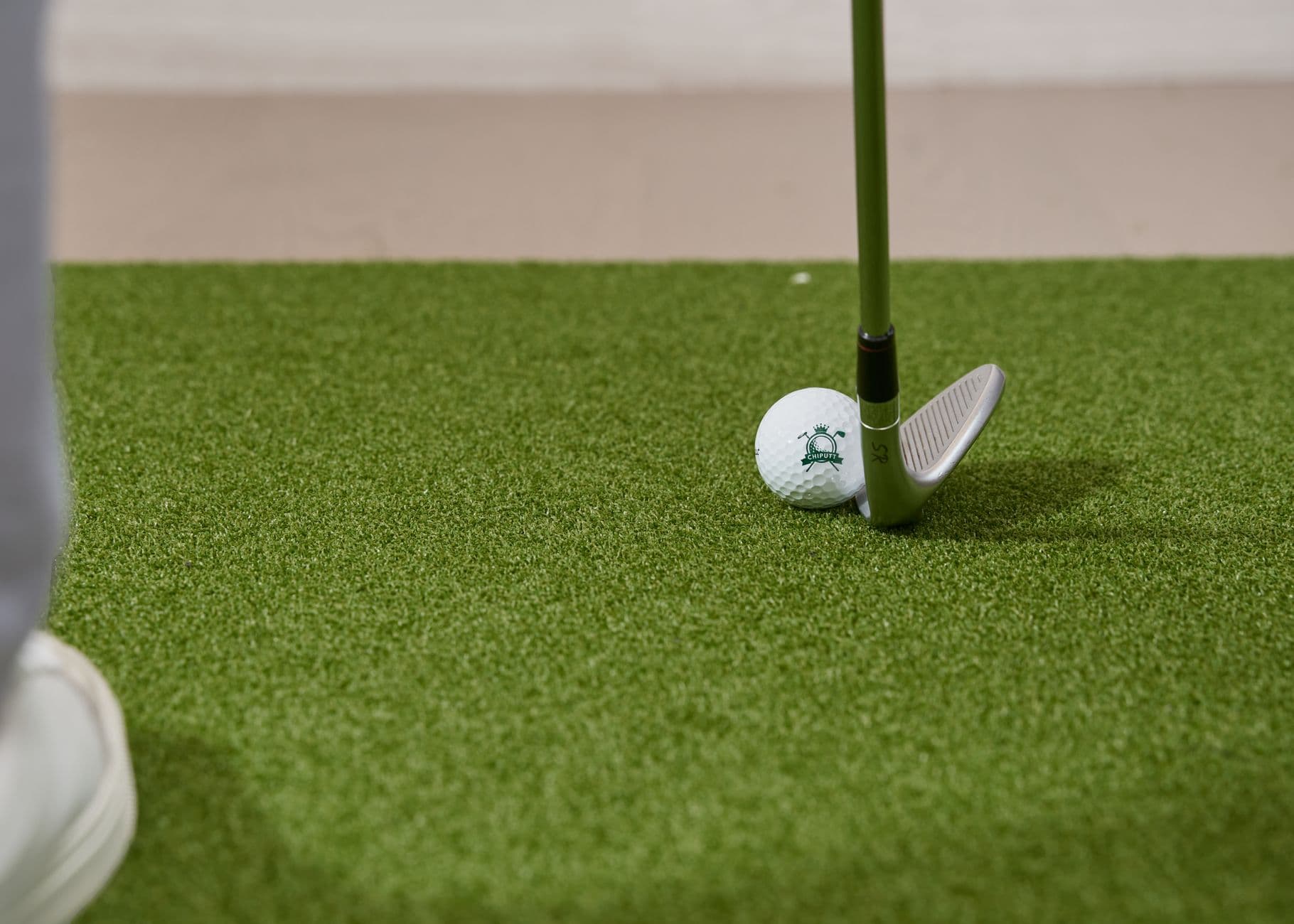
The same principle applies to ball compression. As players grow stronger and faster, the compression requirements of their golf ball shift accordingly. This is precisely where Attomax's High-Density amorphous metal ball lineup becomes performance-relevant rather than merely aspirational — the Hard compression option is engineered for high-swing-speed athletes who need a ball that responds to their actual physical output rather than absorbing or muting it. Matching ball compression to a player's trained speed profile is not a marginal gain; it is a fundamental equipment alignment that tour-level fitters take seriously.
Mental Conditioning: The Final Frontier
Physical preparation without psychological architecture is incomplete. The most physically gifted players on tour have always understood that the final three holes on Sunday afternoon are not won in the gym — they are won in the space between stimulus and response. Mindfulness-based stress reduction, cognitive reframing techniques, and pre-shot routine refinement are now standard components of serious professional development programs.
Sport psychologists embedded within tour performance teams work on attention control — the ability to stay process-focused under scoreboard pressure — and on emotional regulation skills that prevent a single bogey from cascading into a round-destroying spiral. The physical and mental training systems reinforce each other: a body that is not fatigued makes cleaner decisions, and a mind that is not overwhelmed allows the trained physical patterns to execute without interference.
The complete modern tour professional is, in every meaningful sense, a precision-engineered athlete. The era of natural talent outrunning physical preparation is over. In 2026, the players lifting trophies are those who have built systems — physical, technical, nutritional, psychological, and equipment-based — that leave nothing to chance and everything to excellence.
Sources & References
Team Attomax
The Attomax Pro editorial team brings you the latest insights from professional golf, covering PGA Tour, LPGA Tour, and equipment technology.