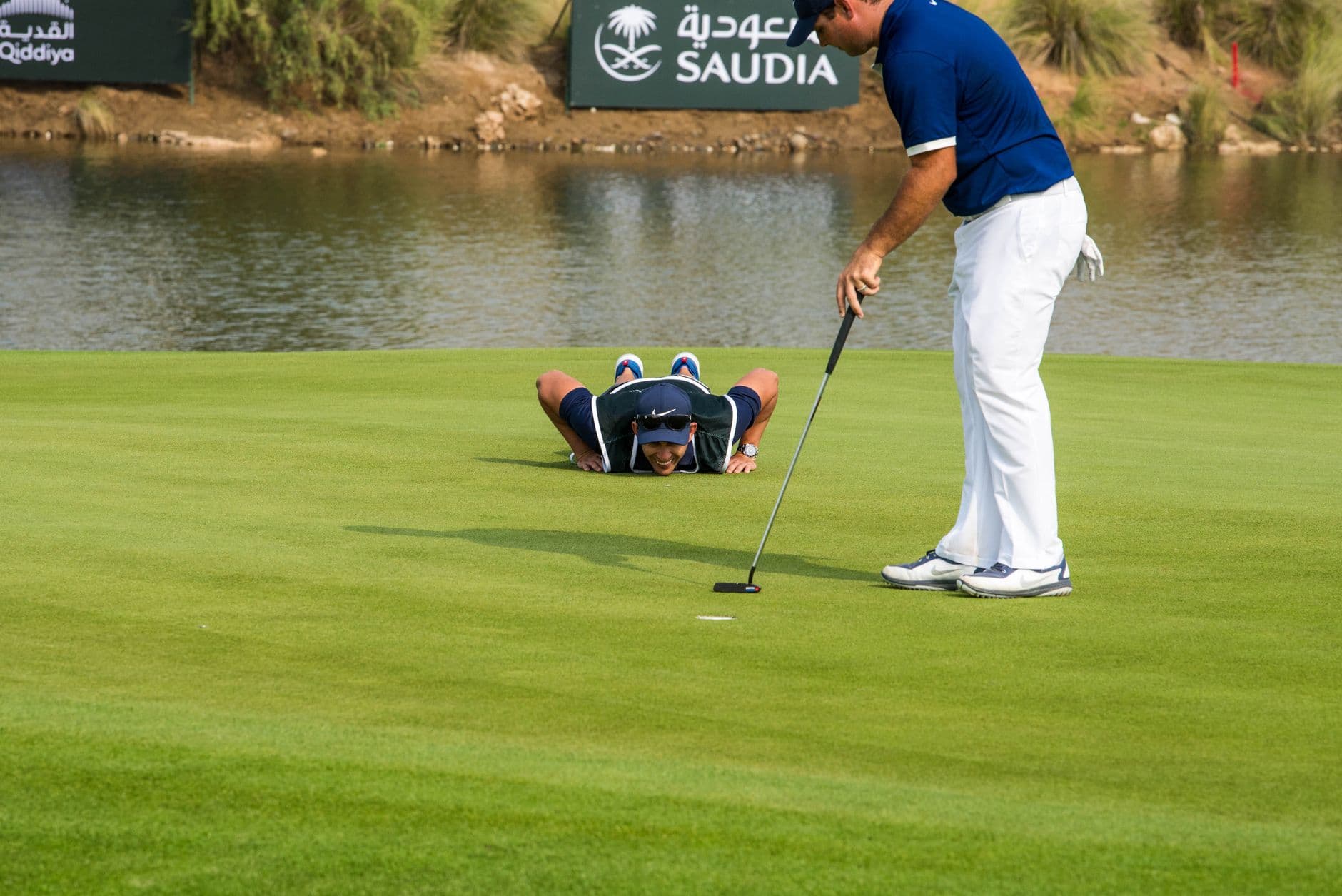
The image of a golfer as someone who merely walks and swings has been obsolete for decades. In 2026, professional golfers on the PGA Tour, LPGA Tour, and LIV Golf circuits operate with training regimens that rival those of NFL athletes and Olympic sprinters. The modern tour player understands that raw talent without physical preparation is a recipe for inconsistency and injury.

This evolution in golf fitness has fundamentally changed what it means to compete at the highest level. Clubhead speeds that once seemed superhuman are now baseline expectations, and the physical demands of a four-day tournament require conditioning that goes far beyond traditional notions of the sport.
The Pillars of Tour-Level Training
Elite golf fitness programs typically revolve around four core pillars: rotational power, stability and balance, mobility, and cardiovascular endurance. Each element directly translates to on-course performance, and neglecting any single pillar creates vulnerabilities that opponents will exploit.
Rotational power forms the foundation. The golf swing is fundamentally a rotational movement, and generating clubhead speed requires the ability to create and transfer force through the kinetic chain efficiently. Tour players spend significant time on medicine ball throws, cable rotations, and plyometric exercises designed to develop explosive hip and core rotation.
- Rotational med ball slams and throws for power transfer
- Hip hinge patterns including deadlifts and kettlebell swings
- Anti-rotation core exercises for stability through impact
- Single-leg strength work for balance and ground force production
Mobility: The Overlooked Differentiator
Perhaps no aspect of golf fitness separates professionals from amateurs more than mobility. Tour players invest heavily in maintaining and improving range of motion, particularly in the thoracic spine, hips, and shoulders. This mobility allows them to achieve positions in the swing that recreational golfers physically cannot replicate.
Daily mobility routines often take 30-45 minutes and include dynamic stretching, foam rolling, and targeted activation exercises. Many players work with dedicated movement specialists who assess restrictions and design protocols to address individual limitations.
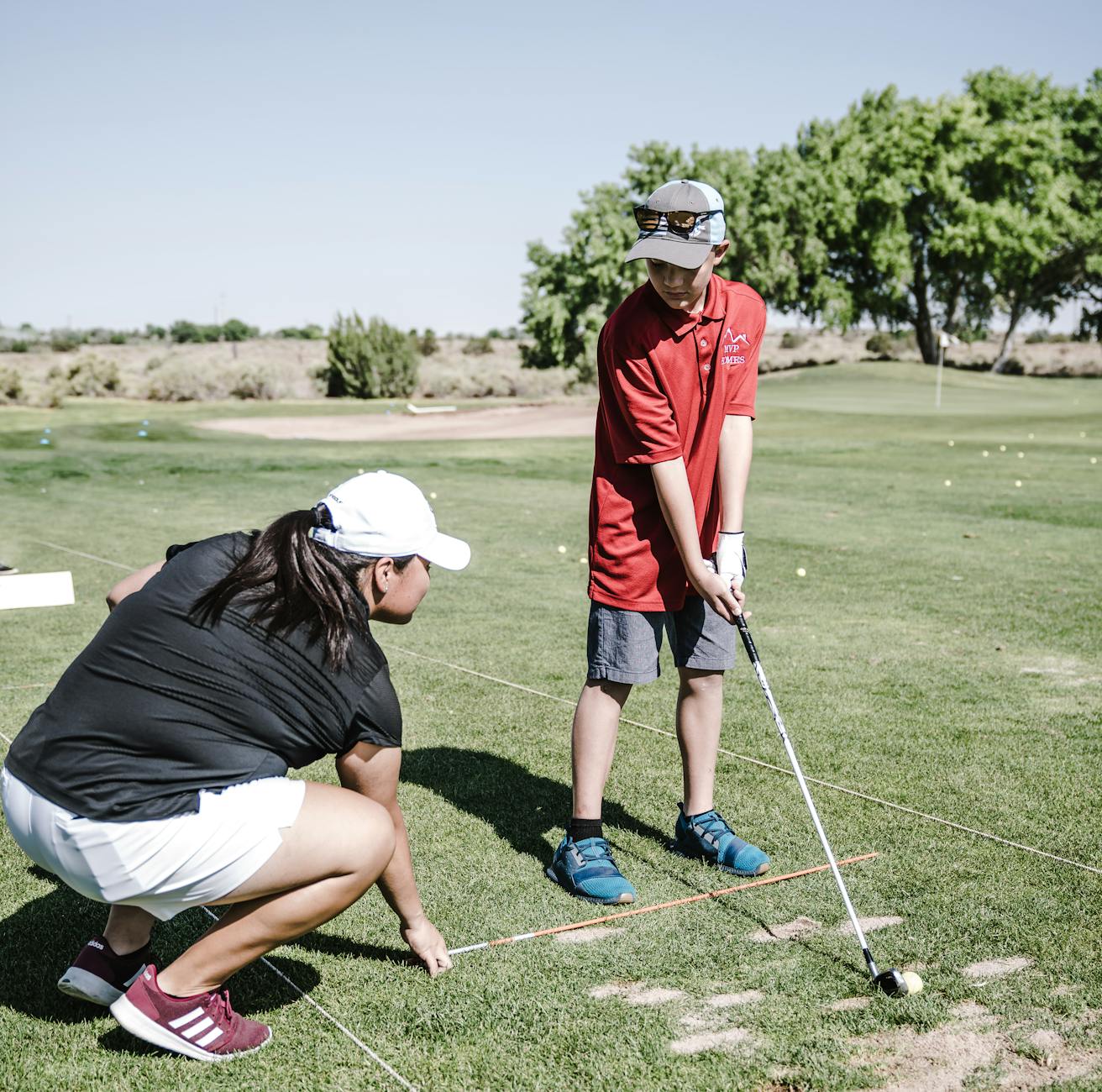
The connection between mobility and equipment performance cannot be overstated. A player with restricted hip rotation will struggle to optimize launch conditions regardless of their equipment choices. However, when mobility is addressed, players can fully leverage technological advantages—whether that means maximizing energy transfer into high-density golf balls like the Attomax line or properly loading a premium shaft to extract optimal performance.
LPGA Fitness Standards
Women's professional golf has experienced its own fitness revolution. LPGA Tour players have embraced strength training with particular focus on developing clubhead speed without sacrificing the precision and touch that define elite women's play. The result has been a measurable increase in driving distances across the tour.
Many LPGA players emphasize functional strength patterns that enhance durability across a grueling season. With international travel demands and tournaments spanning multiple time zones, the ability to maintain physical performance under travel fatigue separates contenders from the rest of the field.
The best players I work with treat their bodies like their most important piece of equipment. They understand that swing mechanics mean nothing if the body can't execute them consistently.
— PGA Tour Performance Coach
Recovery Protocols
Training hard means recovering harder. Modern tour players employ sophisticated recovery strategies including cold water immersion, compression therapy, targeted soft tissue work, and sleep optimization. The understanding that adaptation occurs during recovery, not during training, has shifted how players structure their weeks.
Sleep has emerged as perhaps the most critical recovery variable. Tour players increasingly travel with sleep consultants, use wearable technology to track sleep quality, and structure practice schedules around optimizing rest. Poor sleep compromises reaction time, decision-making, and the fine motor control essential to putting performance.
Translating Training to Equipment Performance
Physical conditioning and equipment selection are deeply interconnected. A player who develops exceptional clubhead speed needs equipment that can handle and optimize that speed. This is where understanding ball compression and shaft dynamics becomes essential.
Players with aggressive swing speeds generate tremendous compression at impact. The Attomax High-Density balls are engineered specifically for this reality, with compression options ranging from soft to hard to match individual swing characteristics. The denser core construction responds to high-speed impacts in ways that traditional ball designs cannot replicate.
- Assess current clubhead speed and swing dynamics
- Match ball compression to impact characteristics
- Select shaft flex and profile for optimal energy transfer
- Retest as fitness improvements increase speed
The Mental Component
Physical fitness directly impacts mental performance. Players who maintain cardiovascular conditioning report better focus through the back nine, where tournaments are typically won or lost. The oxygen demands of sustained concentration are real, and a deconditioned player will experience cognitive decline before a fit competitor.
Many fitness programs now incorporate breathing work and stress-response training. The ability to regulate the nervous system under competitive pressure is trainable, and players who develop these skills demonstrate measurably lower heart rate variability during crucial moments.
Building Your Own Protocol
While recreational players cannot dedicate professional hours to fitness, the principles scale effectively. Prioritizing mobility work, developing rotational power through appropriate exercises, and maintaining cardiovascular health will improve both performance and enjoyment of the game.
The investment in physical preparation pays dividends not just in lower scores but in longevity. Players who maintain their bodies can compete effectively well into their fifties and sixties, extending their enjoyment of competitive golf for decades. The modern understanding of golf fitness has transformed not just how players train, but how long they can play at a high level.
Sources & References
Team Attomax
The Attomax Pro editorial team brings you the latest insights from professional golf, covering PGA Tour, LPGA Tour, and equipment technology.