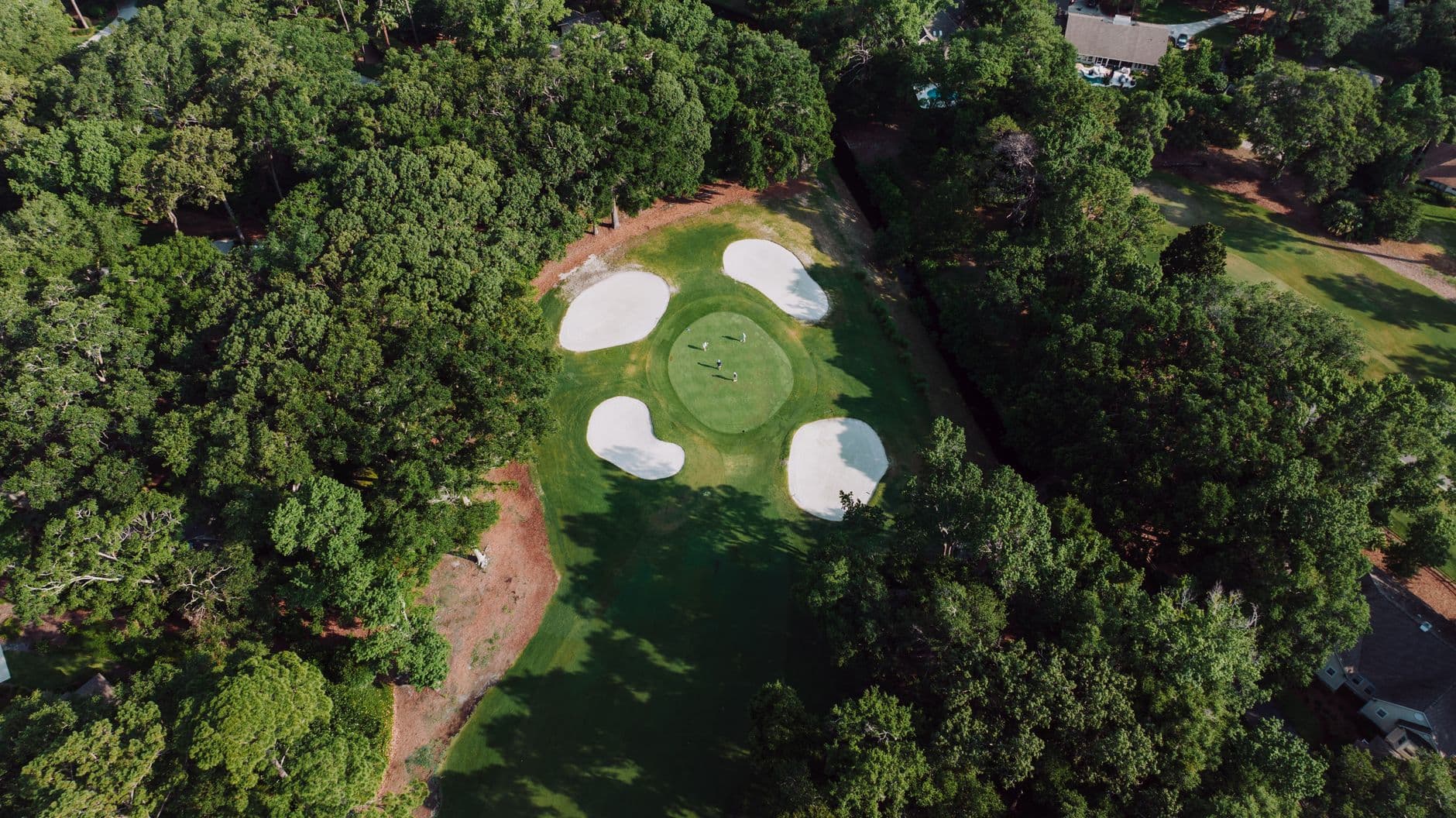
In the world of elite golf, certain names carry weight that transcends leaderboards and trophy cases. America's most iconic country clubs represent more than manicured fairways and pristine putting surfaces—they embody decades of tradition, architectural brilliance, and an exclusivity that has shaped the culture of the game itself.
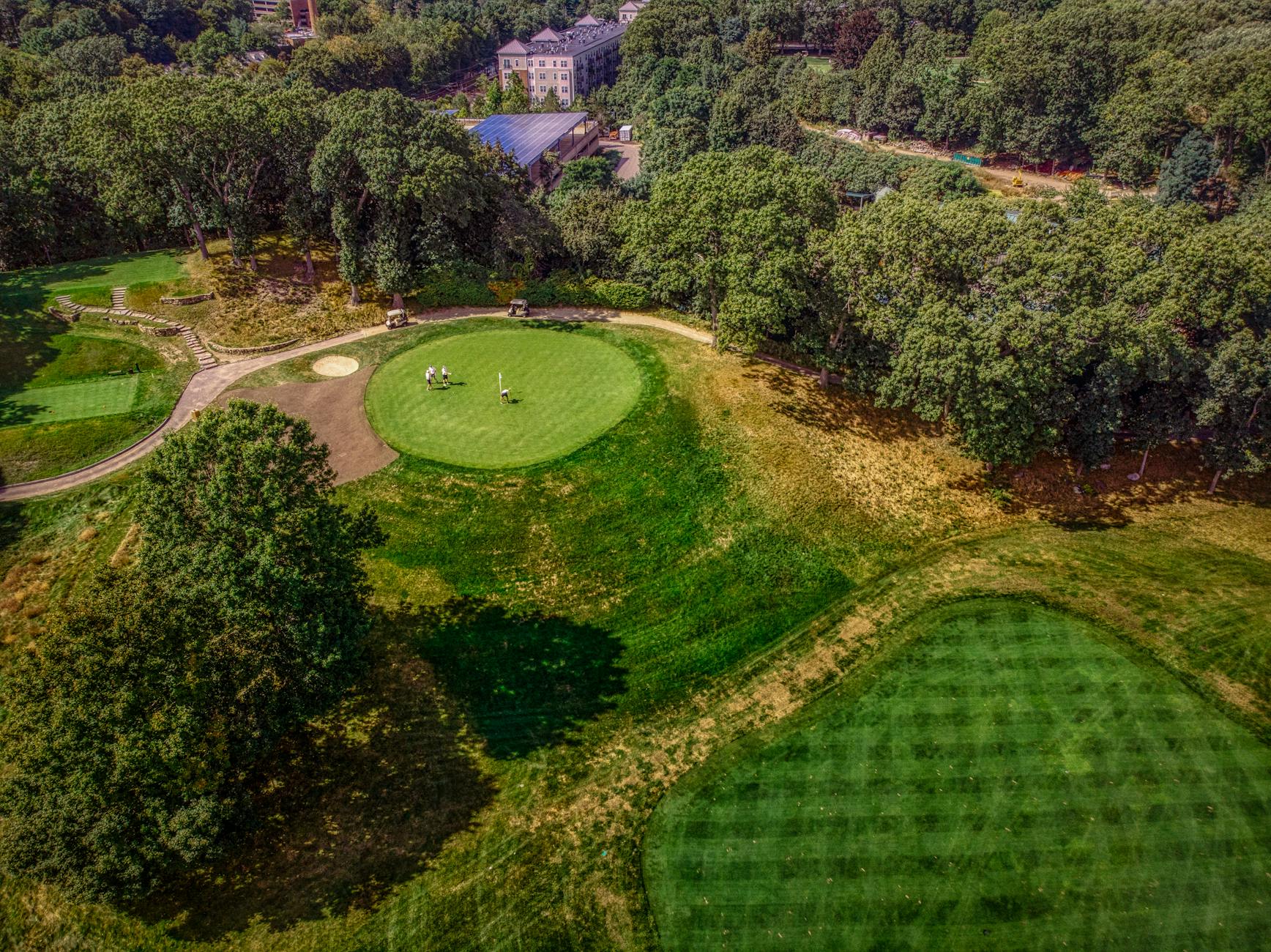
These institutions have hosted championship golf at its finest, welcomed titans of industry and sport through their gates, and maintained standards of excellence that define what it means to belong to something truly exceptional. For the serious golfer, understanding these clubs offers insight into the very soul of American golf.
Augusta National Golf Club: Where Tradition Speaks Louder Than Words
No discussion of American golf royalty begins anywhere other than Augusta National. Founded in 1933 by Bobby Jones and Clifford Roberts on the grounds of a former indigo plantation and nursery, the club transformed 365 acres of Georgia landscape into what many consider the most beautiful inland course ever constructed.
Alister MacKenzie's design philosophy emphasized strategic options over penal architecture, creating a course where multiple paths to the hole reward creativity and course management. The iconic azaleas, dogwoods, and immaculate conditioning have become synonymous with the Masters Tournament, which the club has hosted since 1934.
- Membership is invitation-only with reportedly fewer than 300 members
- Green jackets are worn only on club grounds (with rare exceptions for champions)
- No tee times—members play when ready
- Caddies are mandatory; no golf carts permitted for members
The club's membership roster has historically included CEOs, former presidents, and captains of industry. Augusta's famous secrecy extends to virtually every aspect of operations—from initiation fees to annual dues, the club maintains a deliberate opacity that only adds to its mystique.
Cypress Point Club: The Sistine Chapel of Golf
Perched along the craggy Monterey Peninsula coastline, Cypress Point represents Alister MacKenzie's American masterpiece. Opened in 1928, this 18-hole layout weaves through coastal dunes, dense cypress groves, and dramatic oceanside cliffs that have inspired awe in every golfer fortunate enough to walk its fairways.
If I were condemned to play only one course for the rest of my life, I would unhesitatingly choose Cypress Point.
— Alister MacKenzie
The club's membership is extraordinarily limited, reportedly capped at approximately 250 members. Unlike Augusta, which courts television audiences annually, Cypress Point withdrew from the AT&T Pebble Beach Pro-Am rotation in 1991 and has remained resolutely private ever since.
The 16th hole—a stunning 230-yard par-3 requiring a carry entirely over the Pacific Ocean—ranks among the most photographed holes in golf. Yet most golfers will never experience it firsthand, adding to the club's legendary status among course connoisseurs.
Pine Valley Golf Club: Golf's Ultimate Test

Nestled in the New Jersey Pine Barrens, Pine Valley has consistently ranked among the world's top courses since its 1918 opening. George Crump's singular vision—he reportedly envisioned every hole in his mind before construction began—created a layout of uncompromising difficulty surrounded by pristine natural beauty.
The course rewards only the most precise shotmaking. Sandy waste areas, dense forests, and severely undulating greens punish anything less than execution at the highest level. There are no weak holes, no respite, and no shortcuts.
- Women were historically restricted from the main course until recent policy changes
- The club has fewer than 1,000 members worldwide
- Guests must be accompanied by members and are limited in frequency
- The on-site cottages allow members and guests to stay overnight
Pine Valley's reputation extends beyond its difficulty. The club maintains an almost monastic dedication to the game itself—no pool, no tennis courts, simply golf in its purest form.
Shinnecock Hills Golf Club: America's First Link to Tradition
As one of the five founding member clubs of the United States Golf Association in 1894, Shinnecock Hills holds an irreplaceable position in American golf history. The Southampton, New York, club was among the first to feature a purpose-built clubhouse designed by Stanford White and has hosted five U.S. Opens.
The William Flynn redesign of 1931 transformed the property into a links-style layout that plays firm, fast, and at the mercy of Atlantic winds. The exposed terrain and native fescue rough demand a ground game approach that separates Shinnecock from typical American parkland courses.
Shinnecock is the closest thing to Scottish links golf you'll find in America.
— Golf Architecture Historians
The Economics and Ethics of Exclusivity
Membership at these institutions represents far more than financial commitment—though that commitment is substantial. Initiation fees at premier clubs reportedly range from significant five-figure sums to amounts that remain deliberately undisclosed.
The invitation-only model employed by most elite clubs creates a self-selecting ecosystem where business relationships, family legacies, and demonstrated passion for the game determine access. Prospective members at many clubs undergo extensive vetting processes, multiple sponsor letters, and interview procedures that can span years.
- Demonstrate genuine love for the game and its traditions
- Develop relationships with existing members organically
- Understand that money alone never guarantees access
- Respect that 'no' often simply means 'not yet'
The Modern Membership Landscape
Recent years have seen gradual evolution at even the most traditional clubs. Augusta National admitted its first female members in 2012, ending decades of all-male membership. Pine Valley similarly updated its policies. These changes reflect broader cultural shifts while maintaining the exclusivity that defines the club experience.
For serious golfers seeking the ultimate playing experience, these clubs represent the pinnacle of course conditioning and design excellence. The consistency demanded across these fairways—where firm conditions and true putting surfaces are non-negotiable—mirrors the precision required in every aspect of the game.
Whether navigating Augusta's lightning-fast greens, challenging Cypress Point's oceanside heroics, or surviving Pine Valley's demanding shot values, these courses reward players who understand that golf is ultimately a game of control, consistency, and respect for tradition. America's iconic country clubs embody all three—and will continue defining excellence for generations to come.
Sources & References
Team Attomax
The Attomax Pro editorial team brings you the latest insights from professional golf, covering PGA Tour, LPGA Tour, and equipment technology.