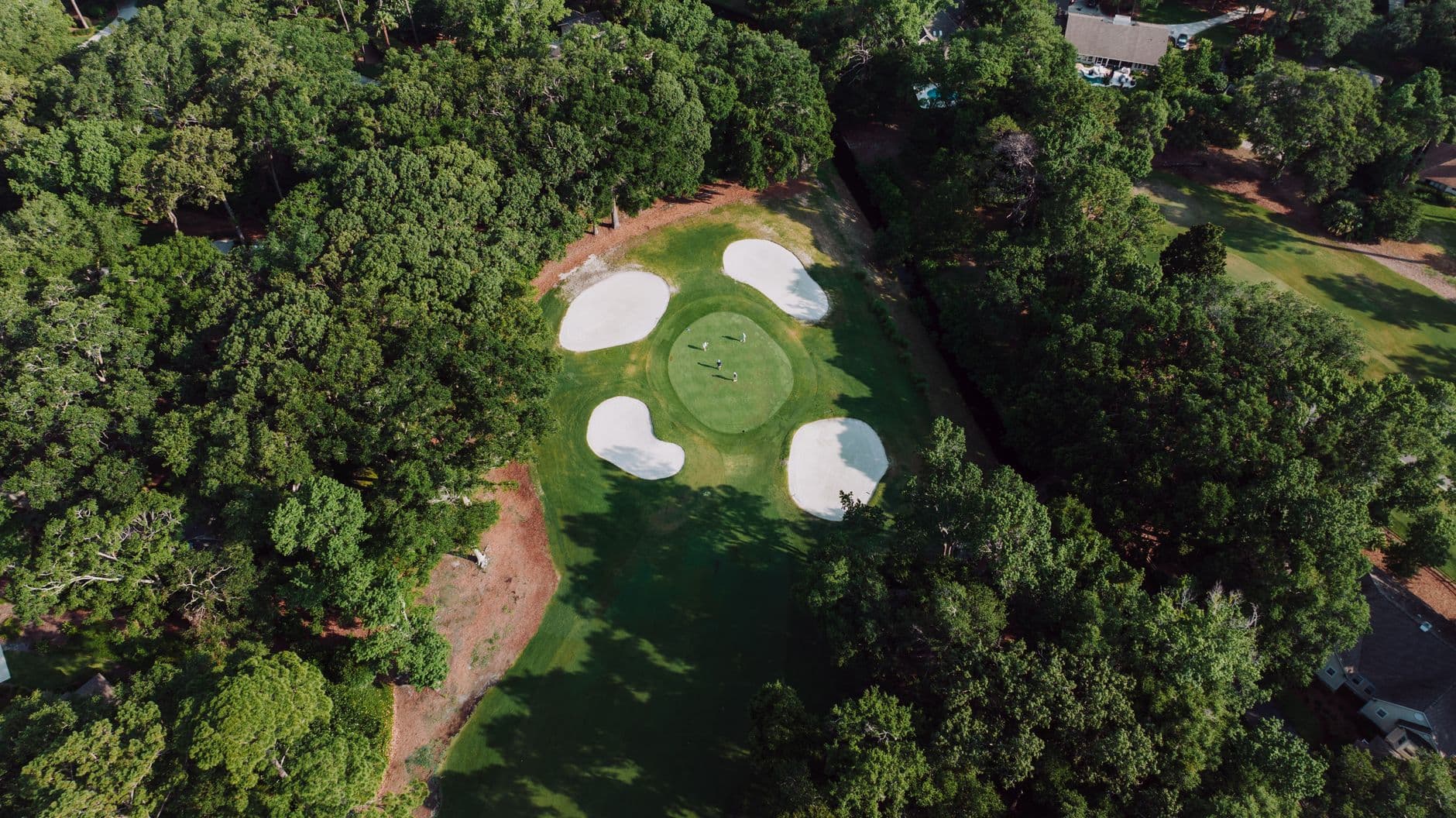
Behind wrought-iron gates and manicured hedgerows lie some of the most revered holes in golf—architectural masterpieces that have tested legends, crowned champions, and sparked debates in oak-paneled grillrooms for generations. These signature holes represent more than just challenging golf; they embody the philosophy, history, and uncompromising standards of America's elite private clubs.
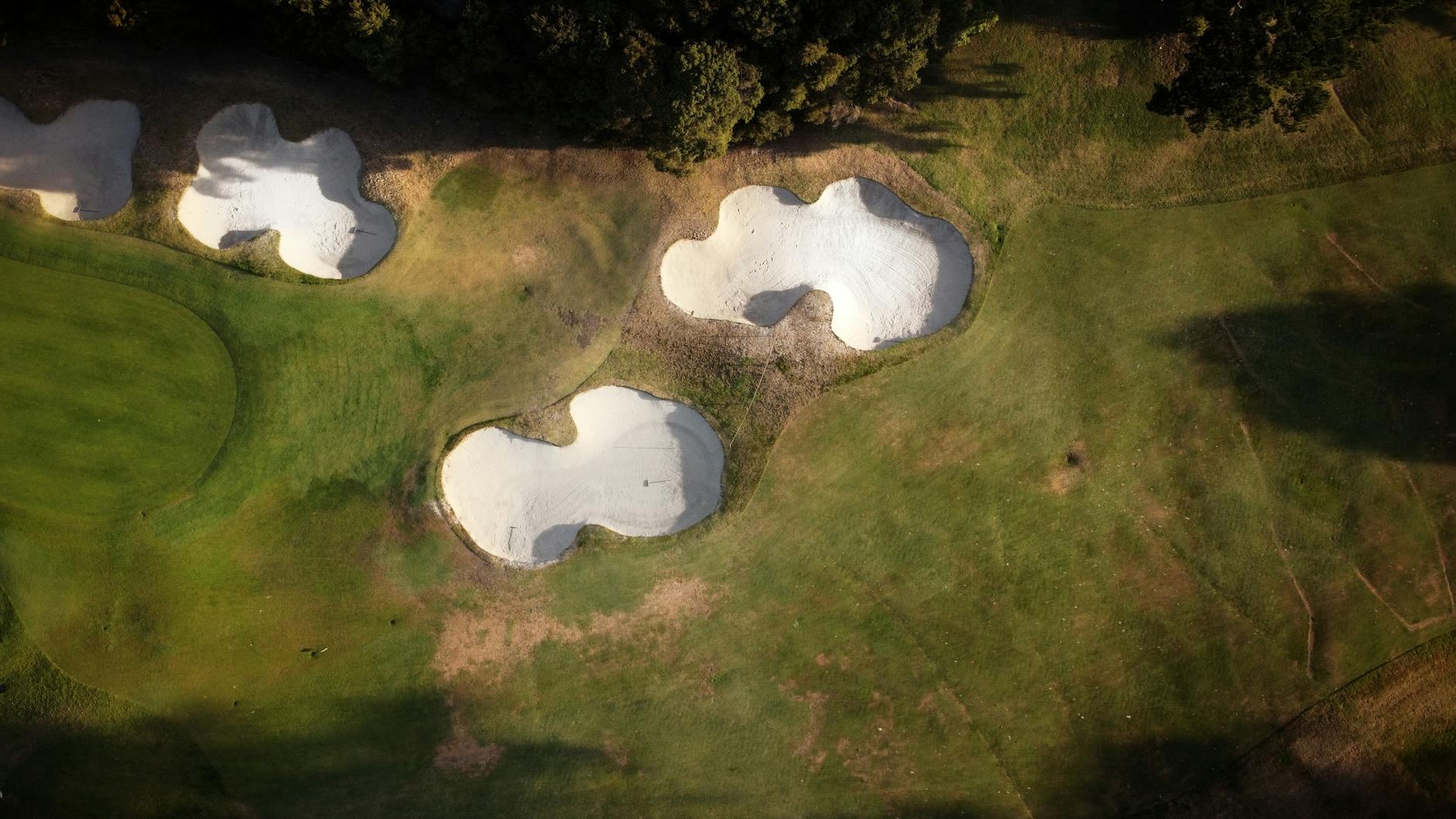
For serious golfers, an invitation to play one of these courses represents the pinnacle of the game's experiences. The signature holes at these clubs have been studied, replicated, and discussed in countless articles and architecture forums, yet nothing compares to standing on those hallowed teeing grounds yourself.
Augusta National: Where Legends Are Made and Broken
No discussion of iconic American golf holes can begin anywhere other than Augusta National Golf Club. The 12th hole, Golden Bell, stands as perhaps the most nerve-wracking 155 yards in championship golf. This deceptively simple par-three, playing over Rae's Creek to a shallow green, has witnessed more tournament swings than any comparable hole in major championship history.
The swirling winds that dance through the tall Georgia pines make club selection an exercise in educated guesswork. The green, angled diagonally to the tee, offers a mere sliver of putting surface to those who challenge the Sunday pin positions. The azaleas behind the green provide stunning visual contrast while masking the serious trouble that awaits errant approaches.
There is no other hole in golf that can change a tournament so dramatically in such a short period of time.
— Jack Nicklaus on Augusta's 12th
Pine Valley: The World's Greatest Inland Course
Nestled in the sandy soils of southern New Jersey, Pine Valley Golf Club has consistently been ranked among the world's finest courses since its founding in 1913. George Crump's masterpiece features no weak holes, but the 5th hole—a demanding par-three of approximately 230 yards—stands as a brutal examination of iron play.
The carry over sandy waste areas to a severely contoured green would challenge today's touring professionals, let alone the amateurs who comprise its membership. The putting surface features multiple shelf levels, making three-putts common and four-putts not unheard of among first-time visitors.
- The green complex features over eight feet of elevation change
- Sandy waste areas frame the entire hole from tee to green
- No bailout exists for those who miss the putting surface
- Pine Valley famously has no rough—only sand, scrub, and forest
Cypress Point: Where Ocean and Links Converge
Alister MacKenzie's crown jewel on the Monterey Peninsula delivers what many consider golf's most dramatic ocean hole. The 16th at Cypress Point Club demands a carry of over 200 yards across the Pacific to a green perched on a rocky promontory. When the wind howls off Point Joe, the hole becomes nearly impossible.
The wise play involves laying up to a fairway left of the green, leaving a pitch to the putting surface. Yet the temptation to attempt the heroic shot proves irresistible to most visitors, resulting in dozens of golf balls decorating the ocean floor below. For those who find the green, birdie feels like victory in the Masters.
Shinnecock Hills: America's Aristocratic Links
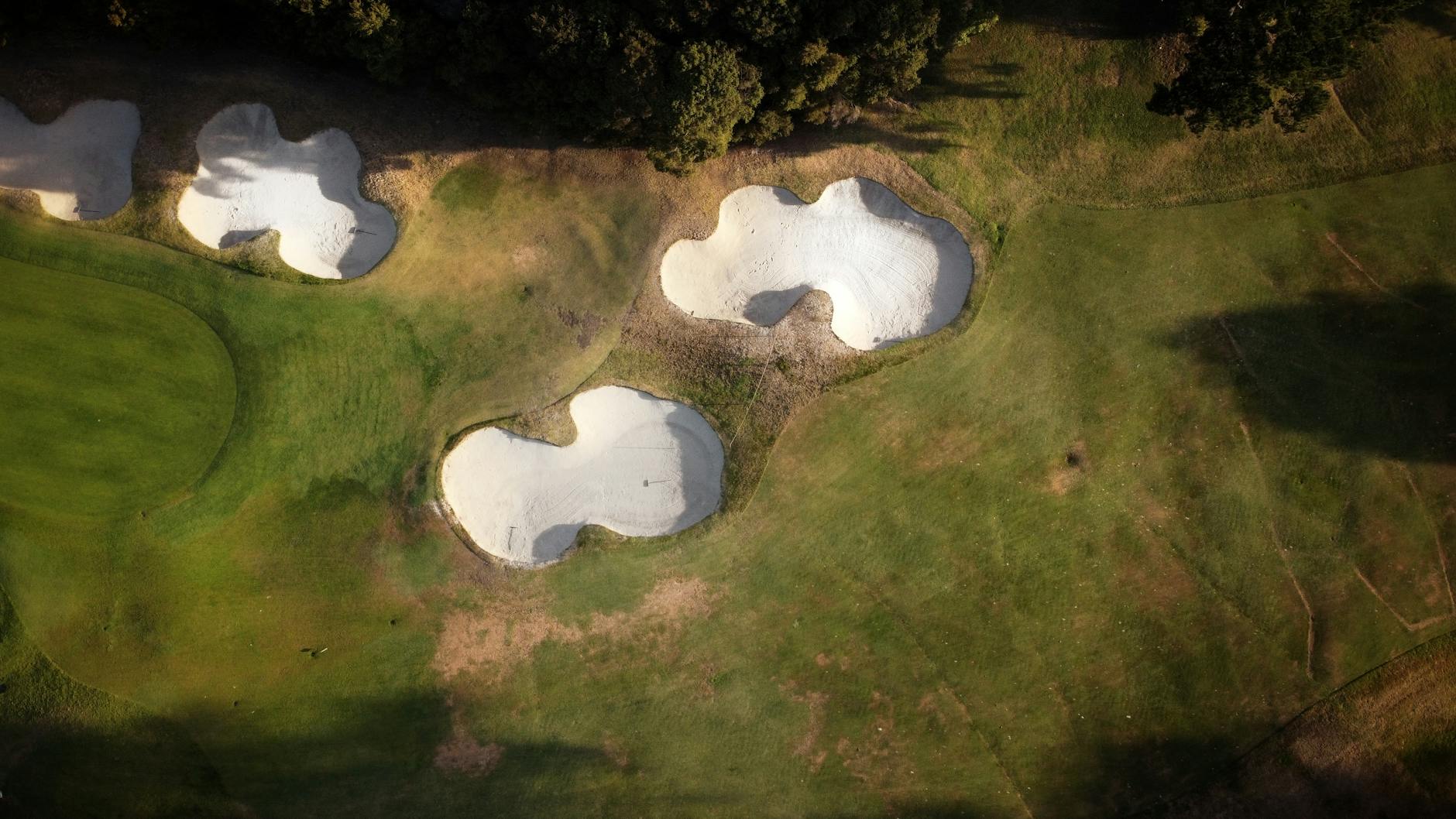
One of the founding member clubs of the USGA, Shinnecock Hills Golf Club has hosted multiple U.S. Opens on its windswept Southampton terrain. The 14th hole, a medium-length par-four playing across rumpled fairway to an elevated green, captures everything that makes links golf both maddening and magnificent.
The approach shot must account for the wind that constantly buffets this exposed layout. Missing the green leaves golfers facing delicate recovery shots from collection areas that funnel errant balls into difficult positions. The putting surface itself features subtle breaks that reward local knowledge and punish overconfidence.
National Golf Links of America: The Original American Tribute
Charles Blair Macdonald designed National Golf Links of America as a collection of the world's greatest holes, reinterpreted for the rolling terrain of Southampton. The 4th hole, known as the 'Redan,' pays homage to the famous 15th at North Berwick in Scotland while creating its own legendary status.
The green angles away from the player, falling off severely to the right and rear. The proper approach requires starting the ball left of the flag and allowing it to feed toward the hole using the natural contours. Failure to execute leaves golfers facing treacherous recovery shots from deep collection areas.
The Art of the Redan Design
Macdonald's interpretation of the Redan has been replicated at courses worldwide, yet the original American version remains the gold standard. The hole demands a penetrating flight that holds against the prevailing wind while utilizing the green's natural movement to find favorable positions.
What Makes These Holes Transcendent
The common thread connecting these signature holes extends beyond mere difficulty. Each represents a philosophical statement about strategic golf—demanding that players weigh risk against reward while respecting the natural landscape. Modern equipment, including high-density constructions that perform consistently in wind, has changed how professionals attack these holes, yet the fundamental challenges remain unchanged.
- Visual intimidation that tests mental fortitude before the swing
- Multiple strategic options rewarding thoughtful course management
- Natural hazards integrated seamlessly into the design
- Green complexes that reward precision approach play
- Historical significance that adds psychological pressure
For those fortunate enough to play these hallowed grounds, the experience transcends sport. These holes represent golf architecture at its absolute zenith—designs that have inspired generations of course architects while remaining relevant in an era of 400-yard drives and wedge approaches to par-fours.
The Takeaway for Serious Players
Understanding what makes these holes exceptional can improve your appreciation of strategic design at your home course. Look for opportunities to play the high percentage shot while recognizing when conditions favor aggression. The greatest architects always provided options—it falls to the golfer to choose wisely.
Whether you're preparing for an invited round at one of these institutions or simply dreaming from afar, studying these signature holes offers invaluable lessons in course management and architectural appreciation. The game's finest tests await those who seek them.
Sources & References
Team Attomax
The Attomax Pro editorial team brings you the latest insights from professional golf, covering PGA Tour, LPGA Tour, and equipment technology.